President Donald Trump and senior members of his administration are signaling that negotiations with Iran could evolve into a much broader diplomatic agreement involving Israel and several Middle Eastern nations. Moreover, discussions initially focused on reopening the Strait of Hormuz and reducing regional tensions. However, the White House is now openly advocating for additional Arab and Muslim-majority countries to formally normalize relations with Israel as part of any long-term settlement.
The negotiations come after months of escalating instability in the region, including military exchanges involving Iran, Israel, and several Gulf states. Although officials from Washington and Tehran continue to discuss a possible framework agreement, both sides have acknowledged that major disagreements remain unresolved.
Trump has publicly described the talks as constructive. However, he warned that diplomacy will only succeed if all parties accept broader regional compromises.
Trump Expands Scope of Iran Negotiations
The latest diplomatic push marks a significant expansion of U.S. goals in the Middle East. In recent public statements, Trump argued that a future agreement with Iran should include wider participation in the Abraham Accords. This diplomatic initiative was first introduced during his previous administration to normalize ties between Israel and several Arab countries.
Trump suggested that countries including Saudi Arabia, Qatar, Egypt, Jordan, and Pakistan should establish or deepen formal diplomatic relations with Israel as part of a larger regional settlement. In addition, he raised the possibility of Iran itself eventually participating in a broader diplomatic framework, despite decades of hostility between Tehran and the Israeli government.
The proposal represents a major shift from earlier stages of the conflict. Previously, the administration emphasized military pressure, sanctions, and efforts to isolate Iran internationally.
Secretary of State Marco Rubio stated that the United States would continue pursuing diplomacy before considering alternative options. Meanwhile, administration officials have framed the negotiations as an opportunity not only to stabilize shipping routes and energy markets but also to reshape political alliances across the Middle East.
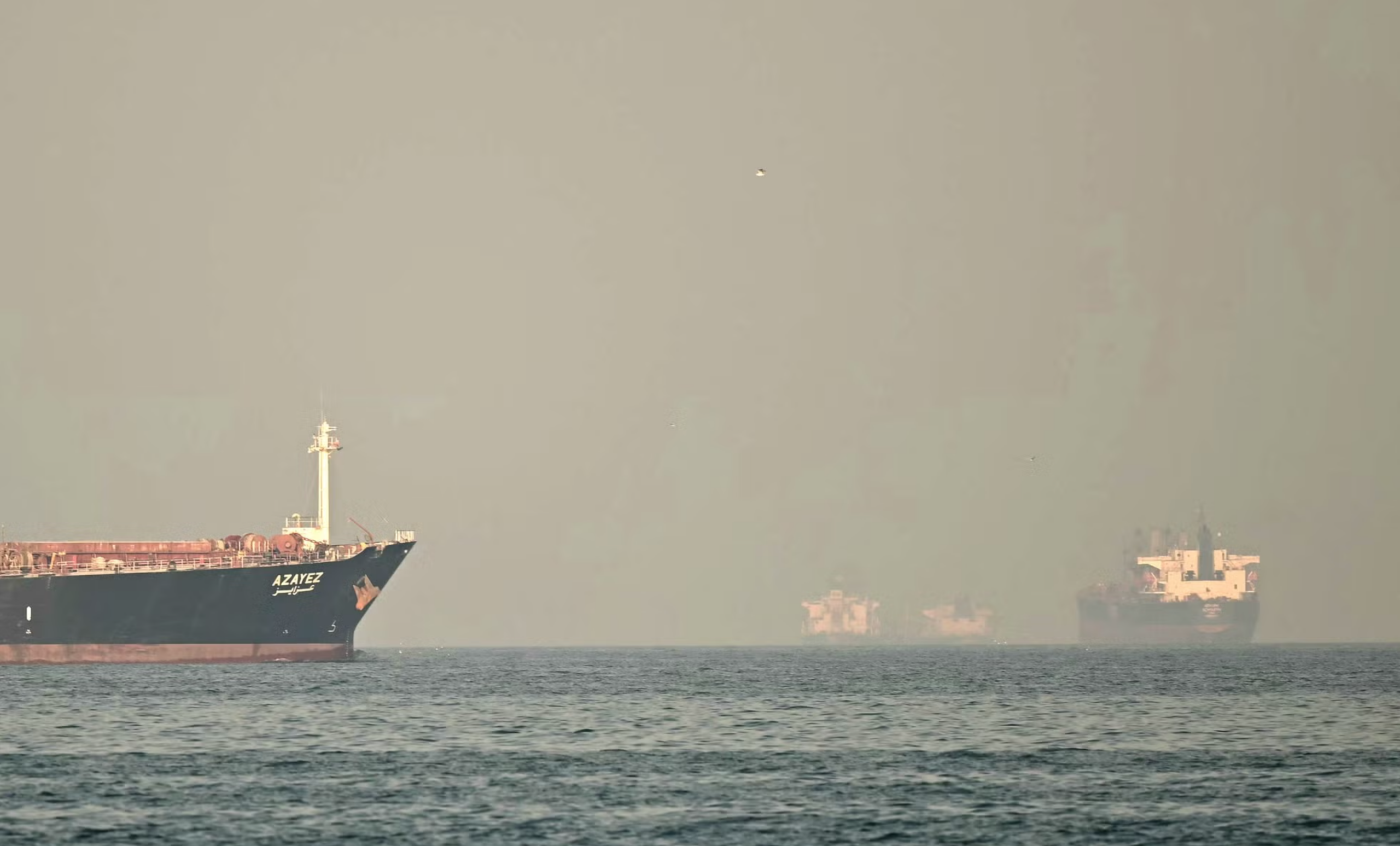
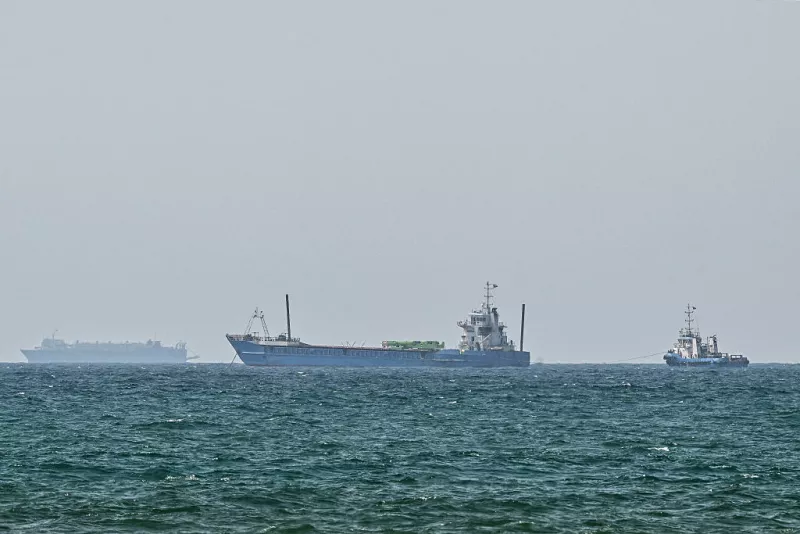
Analysts note that reopening the Strait of Hormuz remains one of the central objectives of the talks. The strategic waterway is essential to global energy shipments. Disruptions there have increased volatility in international oil and shipping markets.
Organizations such as the International Energy Agency have repeatedly warned that instability in the Gulf region can significantly affect fuel prices, supply chains, and global trade flows.
Iran Signals Resistance on Key Demands
Despite optimistic statements from Washington, Iranian officials and state-aligned media outlets have indicated that several major disputes remain unresolved. Reports from Tehran suggest disagreements continue over sanctions relief, frozen Iranian assets, maritime access, and the future of Iran’s nuclear activities.
Iranian representatives are reportedly demanding the full lifting of U.S. naval restrictions near the Strait of Hormuz, as well as broader economic concessions before entering longer-term nuclear discussions. Additionally, officials close to the negotiations have insisted that Iran maintain control over its uranium stockpiles. They also want to preserve its sovereign authority regarding nuclear development.
Iran’s position reflects long-standing concerns about foreign influence and economic pressure. According to comments circulated by state-backed agencies, Tehran views control over its nuclear program and energy exports as central national security issues.
At the same time, the Iranian government has continued diplomatic coordination with regional partners, including Qatar and Oman. Both of these countries have played mediation roles in previous negotiations involving Washington and Tehran.
The United Nations Convention on the Law of the Sea remains an important legal reference point in the discussions surrounding navigation rights and the administration of the Strait of Hormuz. This strait is shared geographically between Iran and Oman.
Regional tensions intensified earlier this year after military exchanges involving Iran and Israel expanded into neighboring Gulf territories. Consequently, several countries experienced attacks on energy infrastructure and military facilities during the conflict. This increased international pressure for a ceasefire and renewed diplomacy.
Regional Allies Debate Future of the Agreement
Trump’s proposal to connect the Iran negotiations with expanded recognition of Israel has generated mixed reactions among diplomats and foreign policy experts. Supporters argue that a wider regional agreement could reduce future conflicts. It could also strengthen economic cooperation between countries that have historically remained hostile toward one another.
Critics, however, warn that adding normalization demands may complicate already fragile negotiations with Tehran. Moreover, some analysts believe that linking multiple geopolitical disputes into one framework could slow progress on immediate security concerns, particularly those involving shipping routes, sanctions, and ceasefire arrangements.
Israel remains closely involved in the diplomatic process and has continued pressing the United States to maintain a hard-line position regarding Iran’s military and nuclear capabilities. Israeli officials have also expressed concerns about proposals that could reduce pressure on Tehran without permanent restrictions on uranium enrichment.
Meanwhile, negotiations are unfolding against the backdrop of ongoing violence in Lebanon and broader instability across the region. Diplomatic efforts have attempted to preserve ceasefires and prevent additional escalation involving Iran-backed groups and Israeli military operations.
Research organizations such as the Council on Foreign Relations have noted that future agreements involving Iran, Israel, and Gulf states could reshape political alliances in the Middle East for years to come. Especially if they include economic cooperation, maritime security guarantees, and revised sanctions frameworks.
While officials continue discussing potential terms, both Washington and Tehran have acknowledged that no final agreement has been completed. In addition, significant negotiations are still ahead.