Trump Administration Unveils Preliminary Agreement With Iran to End Conflict
The Trump administration has released the first official details of a preliminary agreement with Iran. The agreement is designed to end months of military conflict, reopen the Strait of Hormuz, and establish a framework for future negotiations on sanctions, economic recovery, and Iran’s nuclear program.
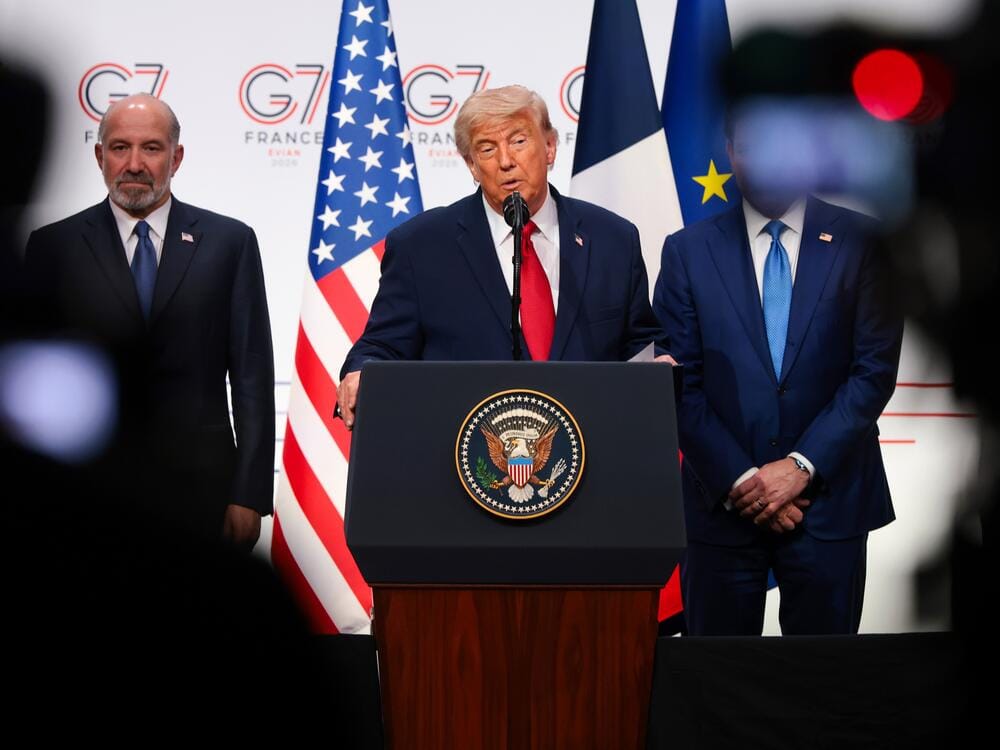
The announcement came during President Donald Trump’s appearance at the G7 Summit in Evian, France. There, he described the agreement as a major diplomatic breakthrough intended to stabilize the Middle East and reduce economic uncertainty in global markets.
A Framework for Ending Hostilities
According to senior U.S. officials, the agreement establishes the immediate and permanent termination of military operations between the United States and Iran.
The framework also includes commitments from both sides not to initiate future military actions against one another. The agreement extends to regional conflicts, including hostilities involving Lebanon.
A 60-day negotiation period will begin once the agreement is formally signed. Both parties may extend this timeline if additional discussions are needed to reach a comprehensive and permanent settlement.
Reopening the Strait of Hormuz
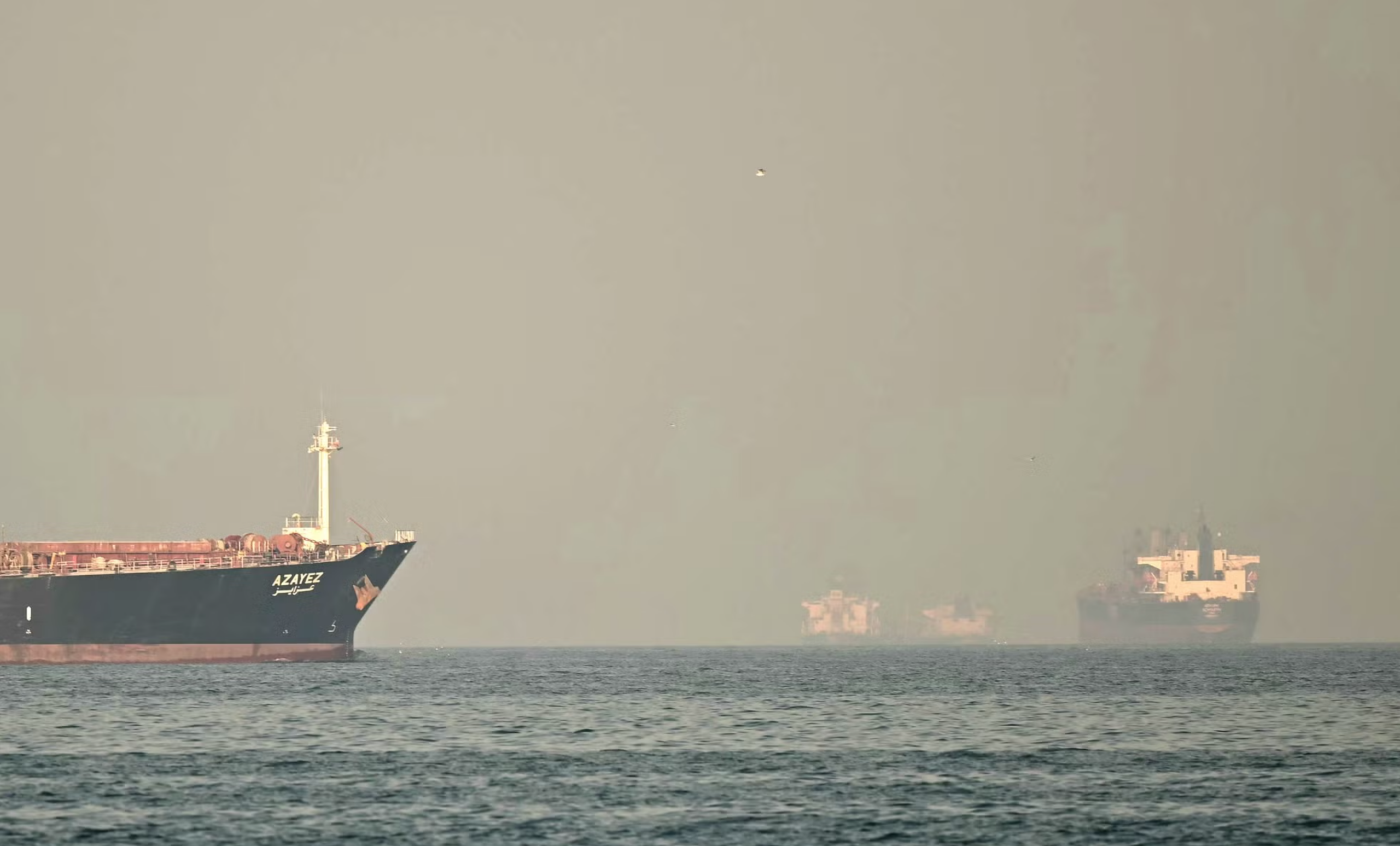
One of the most significant elements of the agreement involves restoring commercial navigation through the Strait of Hormuz. This strait is one of the world’s most important energy corridors.
Upon signing the agreement, the United States will begin removing its naval blockade. The framework states that the blockade will be fully lifted within 30 days if a final agreement is successfully negotiated.
Iran has pledged to make its best efforts to guarantee the safe passage of commercial vessels traveling between the Persian Gulf and the Sea of Oman. Moreover, for the first 60 days, vessels using the route would not face transit-related charges.
The reopening of the Strait of Hormuz is expected to ease pressure on global energy markets. These markets experienced significant volatility during the conflict.
Economic Recovery and Investment Plans
The preliminary agreement outlines plans for a reconstruction and economic development fund that could reach as much as $300 billion.
According to U.S. officials, the fund would involve regional and international partners investing in Iran’s economic recovery. President Trump emphasized that the United States would not directly contribute funding but could support broader international efforts.
The agreement also states that the United States would move toward lifting sanctions on Iran if a final deal is reached.
Additionally, frozen Iranian assets and restricted funds would become available once a comprehensive agreement is finalized.
Nuclear Issues Remain Unresolved
While the agreement establishes a pathway toward peace, one of the most sensitive issues remains under negotiation: Iran’s nuclear program.
The framework includes a commitment from Iran not to develop or acquire nuclear weapons. However, questions surrounding Iran’s existing stockpile of enriched uranium remain unresolved.
Both governments have agreed to begin immediate technical discussions regarding monitoring systems and verification procedures. In addition, they will discuss the future handling of enriched nuclear material.
President Trump told reporters that extensive monitoring measures remain in place. Furthermore, he said future economic relief for Iran will depend on compliance with the final agreement.
Oil Exports and Sanctions Relief
Although sanctions technically remain in force during the negotiation period, the agreement provides for temporary waivers allowing Iranian oil exports to resume.
The waivers would cover petroleum exports, transportation services, insurance arrangements, and related banking transactions.
Energy analysts believe these measures could significantly increase oil supply in international markets. As a result, they may help stabilize prices that surged during the conflict.
Global Economic Impact
The conflict between Iran, Israel, and the United States created significant economic uncertainty worldwide. Rising oil prices contributed to higher transportation and consumer costs in many countries.
Financial markets responded positively to news of the preliminary agreement. This reaction reflected investor optimism that renewed stability in the region could support economic growth and reduce inflationary pressures.
However, many of the most challenging issues—including sanctions, nuclear oversight, and long-term security arrangements—remain unresolved. These issues will be the focus of negotiations over the coming weeks.
What Happens Next?
The formal signing of the agreement is expected in the coming days. Following the signing ceremony, U.S. and Iranian negotiators will begin working on the details of a permanent settlement.
If successful, the agreement could lead to the full reopening of trade routes and the lifting of sanctions. Moreover, it could increase foreign investment in Iran, and end one of the most significant geopolitical conflicts of recent years.
For now, the framework serves as a first step toward de-escalation. However, it leaves critical questions to be addressed in the next phase of negotiations.