
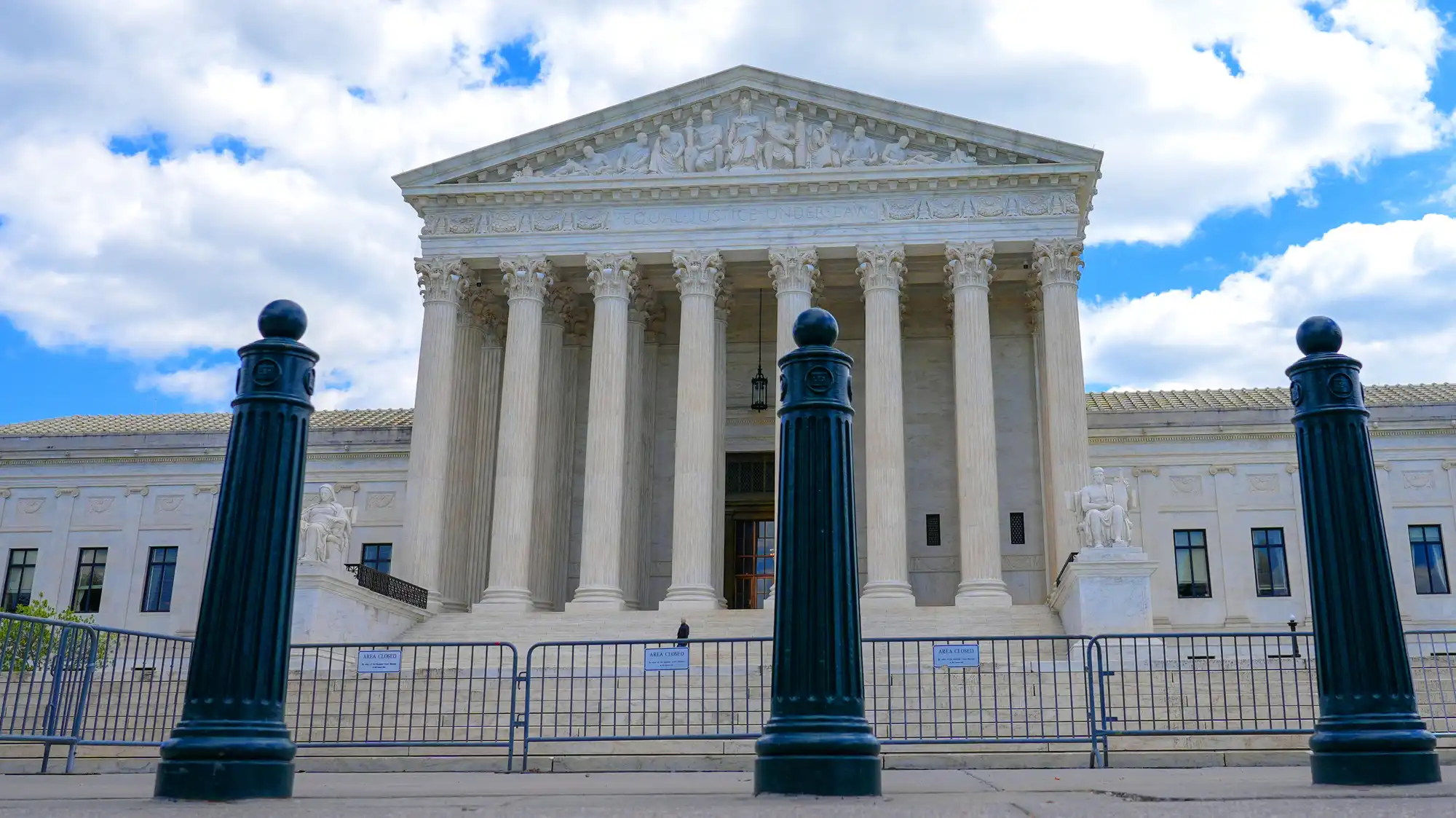
The Supreme Court final decisions 2026 are expected to have far-reaching consequences for immigration policy, presidential authority, voting procedures, gun rights, digital privacy, and constitutional protections. As the justices enter the final weeks of the current term, several of the most closely watched and potentially transformative cases remain unresolved.
The Court has already issued landmark rulings involving voting rights and presidential trade authority. However, many of the term’s most consequential legal disputes are still awaiting decisions, with opinions expected before the Court concludes its work in late June or early July.
Legal scholars, policymakers, advocacy groups, and government officials are closely monitoring these cases because their outcomes could influence federal policy and constitutional interpretation for years to come.
Birthright Citizenship and Immigration Cases Could Have National Impact
Among the most closely watched cases are those involving birthright citizenship and immigration protections.
The birthright citizenship dispute stems from legal challenges to an executive order seeking to restrict automatic citizenship for certain children born within the United States. The case raises questions regarding the interpretation of the Fourteenth Amendment and the scope of presidential authority over immigration-related policies.
Information regarding constitutional provisions and Supreme Court proceedings can be found through the Supreme Court of the United States.
The Court is also considering cases involving Temporary Protected Status (TPS), a humanitarian program established by Congress that allows eligible migrants from designated countries to live and work legally in the United States when conditions in their home countries prevent safe return.
The administration argues that TPS designations fall within executive authority, while challengers contend that courts retain the power to review those decisions. The outcome could affect hundreds of thousands of migrants currently residing in the country under protected status.
Together, these immigration-related cases have the potential to influence future executive actions and determine how much discretion federal officials possess when implementing immigration policy.
Presidential Power and Federal Agency Independence Face New Tests
Several pending cases focus on the balance of power between the presidency and independent federal agencies.
At the center of these disputes is a legal doctrine that has existed for decades, limiting a president’s ability to remove certain agency officials without cause. The Court is now being asked to determine whether those restrictions remain constitutionally valid.
One case involves leadership positions at the Federal Trade Commission, while another examines protections afforded to members of the Federal Reserve Board. Information about federal regulatory agencies is available through the Federal Reserve System and the Federal Trade Commission.
Supporters of expanded presidential authority argue that elected presidents should have greater control over executive branch personnel. Opponents contend that independent agencies serve as important safeguards against political interference and help maintain stability in regulatory and economic policymaking.
The Court’s rulings could redefine the structure of federal governance and alter the relationship between the White House and numerous regulatory bodies.
Economists, legal experts, and government officials are paying particular attention to these cases because they could influence the independence of agencies responsible for monetary policy, consumer protection, financial regulation, and competition enforcement.
Elections, Privacy, and Gun Rights Remain Before the Court
Several other high-profile cases involve election administration, digital privacy, and Second Amendment rights.
One election-related dispute focuses on whether states may continue counting certain mail-in ballots that arrive after Election Day if they were postmarked on time. Supporters of existing state practices argue that election administration falls primarily within state authority, while challengers contend that federal election laws require stricter deadlines.
Digital privacy concerns are also before the Court through a case involving geofence warrants. These investigative tools allow law enforcement agencies to request location data from technology companies for devices present within a defined geographic area during a specific time period.
Information regarding privacy and constitutional rights is available through organizations such as the American Civil Liberties Union.
In addition, the justices are considering multiple gun-related cases involving firearm possession on private property and restrictions on gun ownership by individuals who use illegal drugs.
These disputes build upon recent Supreme Court decisions that expanded protections for gun ownership while requiring courts to evaluate firearm regulations through historical constitutional analysis.
The Supreme Court final decisions 2026 will likely shape public policy across multiple sectors and could become some of the most significant rulings of the current judicial era. As the term enters its final phase, attention remains focused on how the justices will address some of the nation’s most divisive legal and constitutional questions.