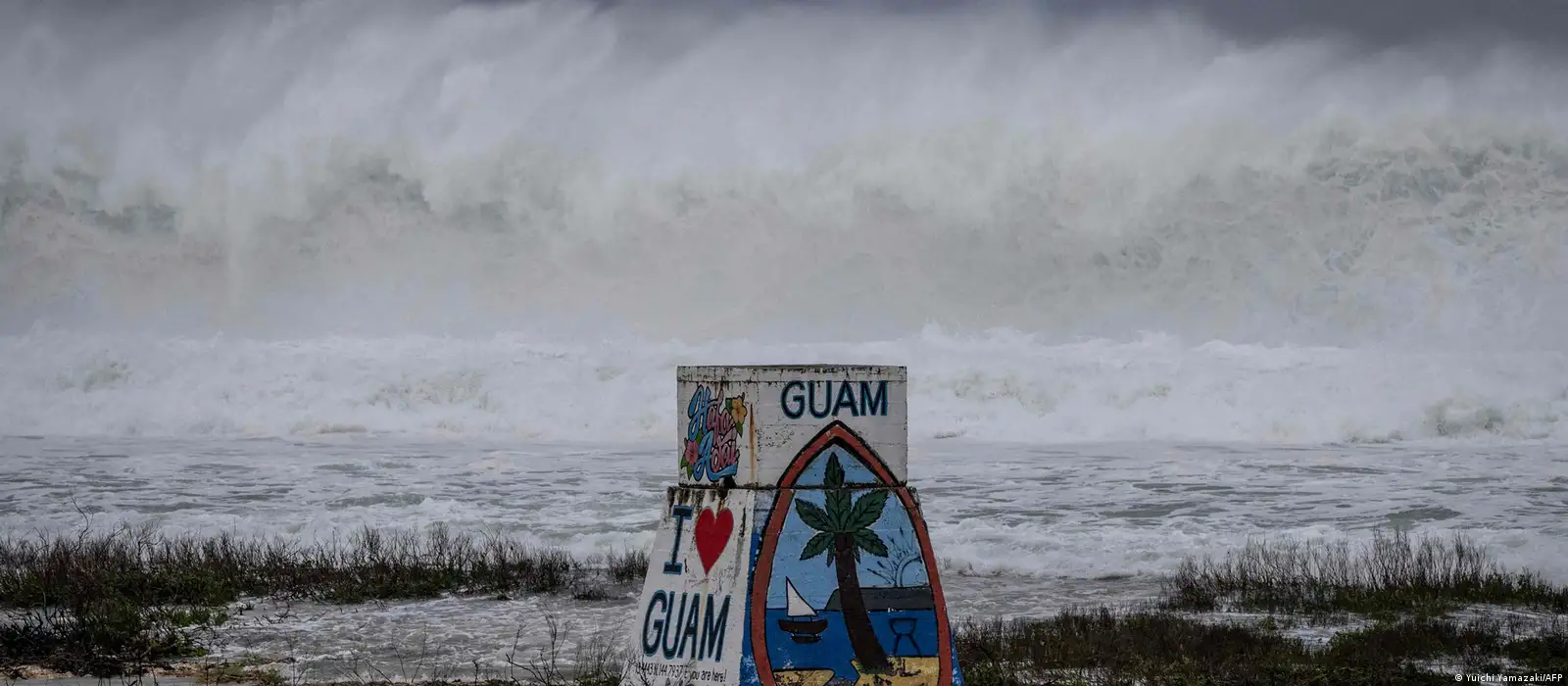
Super Typhoon Bavi has caused extensive destruction across Guam and the Northern Mariana Islands after making landfall with devastating Category 5 strength. The powerful tropical cyclone brought destructive winds, torrential rainfall, coastal flooding, and prolonged power outages, prompting emergency declarations and forcing thousands of residents to seek shelter.
The eye of the storm passed directly over the island of Rota before continuing west-northwest through the Mariana Islands. Although the system gradually moved away from the region, dangerous weather conditions persisted for hours as emergency crews began assessing damage and restoring critical services.
Officials warned that recovery efforts could take weeks in some communities due to the widespread impact on transportation, utilities, and public infrastructure.
Category 5 Winds Cause Major Infrastructure Damage
Super Typhoon Bavi reached sustained winds exceeding 175 mph, placing it among the most powerful tropical cyclones to affect the western Pacific this year. Such wind speeds are capable of destroying buildings, uprooting large trees, damaging communication systems, and severely disrupting transportation networks.
Across Guam, Rota, Saipan, and Tinian, reports described extensive structural damage, flooded roads, fallen utility poles, and widespread electrical outages. Emergency officials urged residents to remain indoors while dangerous winds continued to sweep across the islands.
Government agencies also suspended operations at ports, schools, and several public facilities as authorities prioritized emergency response and public safety. Initial damage assessments indicated that public infrastructure, homes, and businesses sustained varying degrees of storm-related destruction.
Emergency Shelters Reach Capacity as Communities Face Recovery Challenges
Emergency shelters across the affected islands filled rapidly as residents living in vulnerable housing sought protection from the storm. Local governments encouraged evacuations in flood-prone areas and neighborhoods where structures were less capable of withstanding extreme winds.
The storm struck while many communities were still recovering from previous severe weather earlier in the year, increasing concerns about available resources and the resilience of damaged infrastructure. Some islands continued experiencing limited electrical service even before Bavi’s arrival, making emergency operations more difficult.
Officials also warned that hospitals, schools, and other essential public services could experience prolonged disruptions as repair crews worked to restore damaged facilities and utility networks.
Authorities Begin Damage Assessments as Recovery Efforts Expand
Following the passage of the storm’s most intense conditions, local leaders announced plans to begin comprehensive damage assessments to determine the full extent of losses. Emergency management agencies continue coordinating with utility companies, first responders, and federal partners to restore electricity, reopen transportation routes, and deliver assistance to affected communities.
Meteorologists caution that even after the strongest winds subside, hazards such as flooding, unstable structures, fallen power lines, and debris may continue posing risks to residents. Officials have urged the public to avoid unnecessary travel until emergency crews declare affected areas safe.
As recovery operations move forward, Super Typhoon Bavi serves as another reminder of the vulnerability of Pacific island communities to powerful tropical cyclones and the importance of preparedness, resilient infrastructure, and coordinated emergency response in protecting lives during extreme weather events.