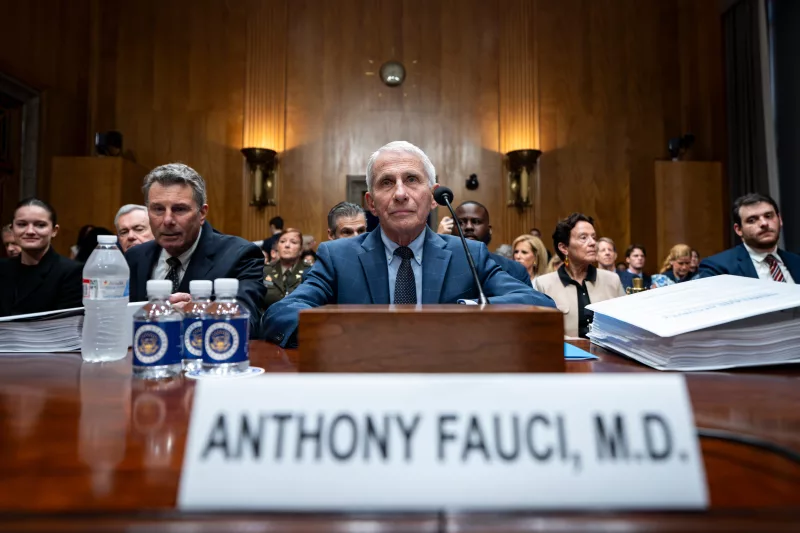
Questions surrounding the future of public health leadership in the United States have resurfaced following a closely watched Senate hearing involving former National Institute of Allergy and Infectious Diseases Director Dr. Anthony Fauci. The public health debate after Fauci Senate hearing has taken on new urgency. While the hearing itself focused on legal and political issues, its broader impact has extended well beyond Capitol Hill, prompting renewed discussion about scientific independence, public trust and the willingness of experts to serve in government during future health emergencies.
Researchers, physicians and public policy specialists say the controversy reflects a deeper challenge facing the country’s health institutions. Years after the COVID-19 pandemic reshaped global healthcare systems, many experts argue that rebuilding confidence between scientific agencies, elected officials and the public has become just as important as preparing for the next infectious disease outbreak.
Scientists Warn About Long-Term Effects on Public Service
Public health professionals note that scientific advice frequently becomes the subject of political debate during national emergencies. While scrutiny of government officials is a routine part of democratic oversight, some researchers worry that increasingly personal attacks on career scientists could discourage future experts from accepting leadership roles.
Medical schools and public health programs have already reported growing interest among students in careers outside government service. Academic researchers say many young scientists are weighing not only the scientific challenges of public service but also the possibility of becoming public figures during periods of political polarization.
Federal agencies continue emphasizing the importance of evidence-based decision-making in disease surveillance, emergency preparedness and vaccine research. Information about the nation’s public health infrastructure is available through for Disease Control and Prevention, which outlines its role in monitoring infectious diseases and coordinating responses across states.
Rebuilding Public Trust Remains a Central Challenge
Health policy experts believe restoring confidence will require greater transparency, clearer communication and stronger engagement with local communities. During the COVID-19 pandemic, rapidly evolving scientific knowledge often resulted in changing recommendations, creating confusion among many Americans about how health guidance is developed.
Several public health organizations argue that future emergency planning should place greater emphasis on explaining uncertainty rather than presenting scientific conclusions as static. Researchers say public understanding tends to improve when agencies openly communicate how evidence changes over time.
The broader federal public health system, including research funding and emergency preparedness programs, is coordinated through institutions such as the . Department of Health and Human Services, which oversees numerous agencies responsible for disease prevention, biomedical research and healthcare policy.
Preparing for the Next Health Emergency
Experts broadly agree that future outbreaks are inevitable, although the timing and nature of the next major public health threat remain unknown. Strengthening laboratory capacity, improving disease surveillance and maintaining international scientific cooperation continue to rank among the highest priorities for health authorities.
Organizations involved in global health also stress that effective responses depend on sustained investment long before a crisis emerges. International guidance on emergency preparedness and pandemic resilience is published by the Health Organization, while ongoing biomedical research supported by the Institutes of Health continues to shape understanding of infectious diseases, vaccines and emerging pathogens.
As policymakers debate accountability, scientists increasingly argue that protecting public health requires more than responding to the last emergency. They contend that preserving scientific expertise, encouraging open dialogue and maintaining public confidence will be critical components of the nation’s readiness when the next major health challenge arrives.