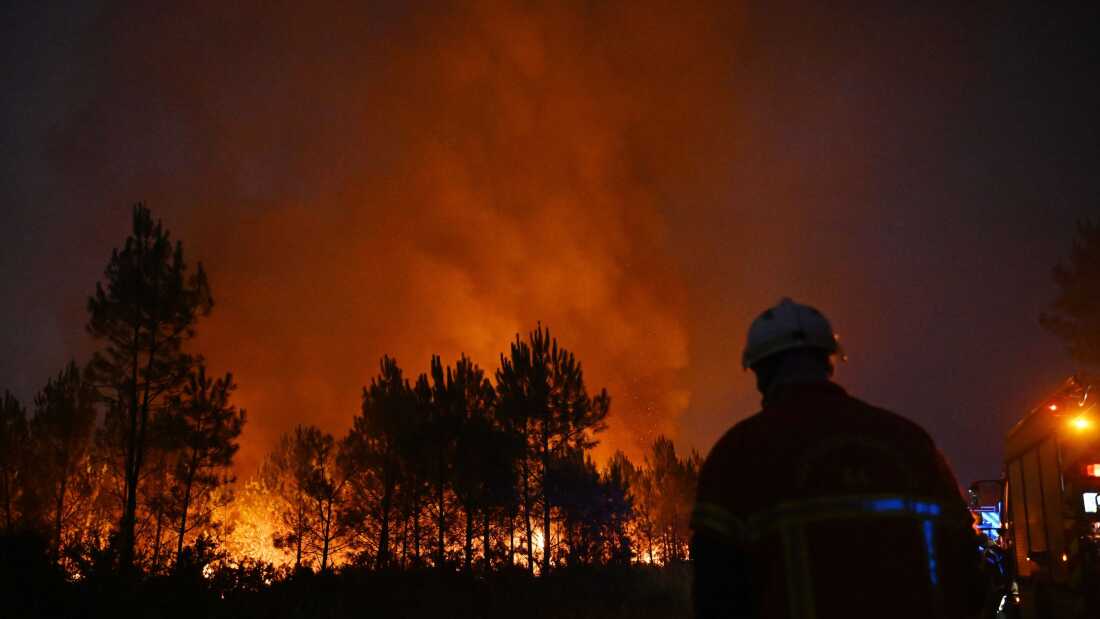
As devastating wildfires continue to burn across parts of the United States, Canada, Spain, and France, many people are asking the same question. That question is: Are extreme wildfires becoming the new normal?
According to researchers, the answer is both yes and no. Some regions are experiencing larger, more destructive wildfires than in previous decades. However, global wildfire patterns are far more complex than a simple upward trend.
Scientists say the frequency, intensity, and impact of wildfires depend on a combination of climate, vegetation, land management practices, and human activity.
Climate Change Is Increasing the Risk of Extreme Fires
One of the clearest scientific findings is that climate change is creating conditions that allow certain wildfires to become more severe.
Rising temperatures, prolonged droughts, lower humidity, and longer fire seasons dry out forests and grasslands. As a result, vegetation is more likely to ignite, and fires can spread more rapidly once they begin.
Many regions in North America and southern Europe have experienced increasingly frequent heatwaves and extended periods of dry weather. These conditions create ideal circumstances for large wildfires.
Researchers emphasize that climate change does not cause every wildfire. However, it significantly increases the likelihood that fires become larger, more intense, and harder for firefighters to control.
Wildfire Trends Vary Around the World
Although extreme fires are making headlines more often, scientists note that the total amount of land burned globally has not increased everywhere.
In some parts of the world, particularly tropical savannas and grasslands, the overall area affected by fire has actually declined over recent decades. This decline is due to changes in agriculture, land use, and development.
At the same time, forested regions—including western North America and parts of the Mediterranean—have seen some of the most dramatic increases in destructive wildfires.
Experts caution that focusing only on the total number of fires can be misleading. The growing concern is the rise in high-intensity wildfires that threaten communities, infrastructure, ecosystems, and public health.
Managing Future Fire Risk
Scientists agree that reducing wildfire risk requires a combination of climate action and improved land management.
Recommended strategies include:
- Restoring healthy forests through controlled burns and vegetation management.
- Creating defensible space around homes and communities.
- Improving wildfire detection and emergency response systems.
- Designing communities that are more resilient to fire.
- Reducing greenhouse gas emissions to limit long-term warming.
As climate conditions continue to evolve, researchers expect wildfire management to become an increasingly important priority. This is true for governments and communities around the world.
Rather than asking whether every wildfire is caused by climate change, experts say there is a more important question. That question is how changing environmental conditions are increasing the likelihood of the most destructive fires. Current evidence suggests that while wildfire patterns differ by region, the risk of extreme wildfire events is rising in many of the world’s most vulnerable landscapes.