A new generation of premium airline seats is changing what passengers expect from long-haul travel, but the technology and privacy features packed into modern cabins are also making certification more demanding.
Airlines are adding enclosed suites, sliding doors, lie-flat beds, larger entertainment screens and increasingly personalized cabin features. The result is a more private experience for passengers, but a more complicated engineering and regulatory process before those seats can be used in commercial service.
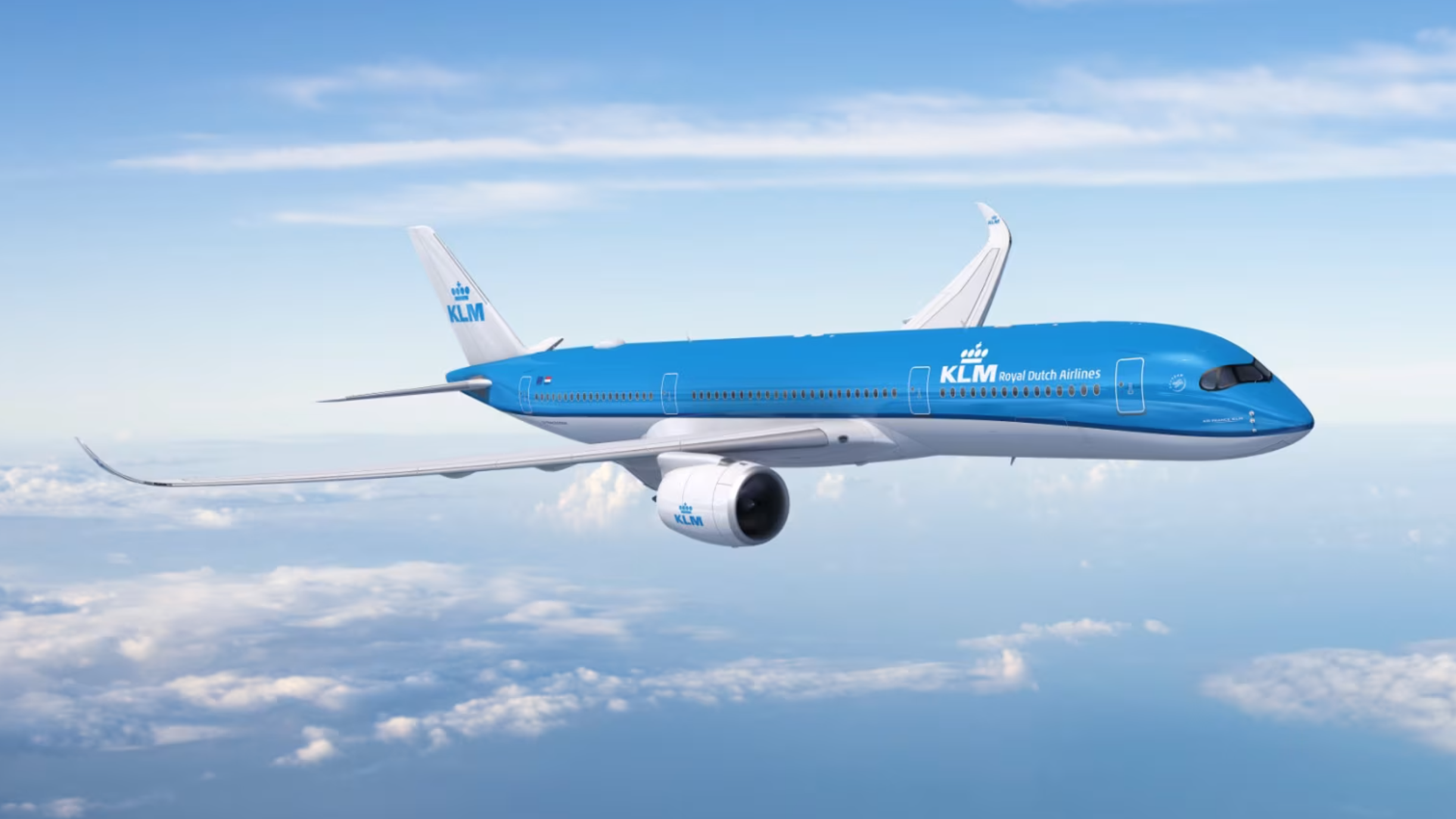
KLM offers a clear example. The airline’s first Airbus A350 is scheduled to begin passenger operations in September, with Toronto as its inaugural destination. The aircraft has 34 World Business Class seats, but those seats will not initially be available because their certification has not been completed. KLM says the delay follows a revised interpretation of regulatory requirements.
That does not mean the aircraft cannot fly. KLM plans to operate the A350 with its Premium Comfort and Economy cabins while the World Business Class seats remain unavailable.
The situation highlights a broader issue facing airlines and seat manufacturers: premium cabins have become much more ambitious, while the safety requirements governing aircraft interiors have not become optional.
Why modern premium airline seats take longer to certify
The business-class seat used to be relatively simple. A wider chair, more legroom and eventually a bed were enough to distinguish premium cabins from economy. That has changed.
Today’s premium airline seats increasingly resemble small private rooms. Doors and partitions create privacy. Seats contain motors, electrical systems, large screens, storage compartments and complex mechanisms that allow passengers to sit, recline or sleep in different positions. Each additional component creates another question for engineers and regulators.
Can the seat withstand the forces generated during an emergency landing? Can the passenger be protected from dangerous contact with surrounding structures? Can cabin crew reach the passenger quickly? Does the design interfere with evacuation? What happens if a mechanism fails?
European certification rules specifically require approved passenger seats to protect occupants during emergency landing conditions. EASA’s CS-25 rules also require dynamic testing or an accepted analytical method based on dynamic testing for seat designs.
The EASA CS-25 certification specifications cover large-aircraft requirements governing areas such as seats, restraints and emergency landing conditions.
The U.S. system has similar requirements. The Federal Aviation Administration has published guidance covering dynamic seat certification, including methods that use computer modeling validated against physical tests. That means a new seat cannot simply be designed, installed and put into service because the airline and manufacturer believe it is safe. The design has to demonstrate compliance.
This becomes harder when a seat is highly customized. Airlines want distinctive products because premium passengers have more choice than ever. A carrier may want a particular door height, unusual seating arrangement, additional storage or a different combination of electronic and mechanical features.
Those choices can make the certification program more complicated. The irony is that airlines are trying to make their premium cabins look different at precisely the time when manufacturers would benefit from building more standardized products.
Lufthansa’s Allegris program illustrates the problem from another angle. The airline introduced a range of different Business Class seat types, including suites, privacy seats, extra-space seats and longer beds. Some versions required additional certification before they could be made available to passengers. The result can be an aircraft that is ready to fly while parts of its premium cabin are still waiting for approval.
Privacy has become one of the hardest parts of the design
Privacy is now one of the strongest selling points in business class. For passengers taking overnight flights, a door can mean the difference between feeling exposed in a conventional seat and having something closer to a private room. Airlines know this, and many of the newest premium products feature higher walls, doors or enclosed seating areas.
But those same features can create safety questions. A wall that improves privacy can affect visibility inside the cabin. A door can change how passengers and crew move around the aircraft. A larger structure also has to be evaluated for how it behaves during an impact.
The FAA guidance on dynamic seat certification describes methods used to demonstrate compliance with emergency-landing requirements through testing and validated analysis. The issue is not simply whether a passenger seat remains attached to the floor. Regulators also examine how the occupant interacts with the seat and nearby structures during an accident. Head protection, restraint systems, seat strength and surrounding objects all become part of the certification picture.
European regulators have addressed similar concerns in their rules for large aircraft. EASA’s requirements state that seats and their supporting structures must be designed to protect occupants from serious injury during emergency landing conditions.
This helps explain why adding another feature to a premium seat can have consequences beyond comfort. A larger privacy door is not merely another piece of furniture. It can become part of the safety architecture of the cabin. The same applies to screens, tables, storage units and other hard surfaces. Designers have to consider what happens to those components when the aircraft experiences extreme forces.
That engineering work takes time, particularly when several companies are involved. An airline may define the passenger experience. A seat manufacturer builds the seat. The aircraft manufacturer integrates it into the airframe. Suppliers provide electronics, fabrics and other components. Certification authorities then evaluate whether the finished installation meets the applicable requirements.
If a problem is discovered late in that chain, fixing it can affect everyone else. That is one reason certification delays can continue even after an aircraft itself is ready for delivery. KLM’s new A350 demonstrates the point. The airline has confirmed that the aircraft will enter service with its 331-seat configuration, but the 34 World Business Class seats will initially remain unavailable while certification is completed. Premium Comfort and Economy passengers will still be able to fly on the aircraft.
Airlines are betting that premium cabins are worth the extra complexity
Despite the certification challenges, airlines have little reason to abandon increasingly sophisticated premium cabins. Business-class passengers are among the most valuable customers on long-haul flights. Airlines compete heavily for corporate travelers and premium leisure passengers, and the cabin itself has become an important part of that competition.
Privacy is particularly valuable on overnight flights. A passenger who can close a door, convert a seat into a bed and work or sleep without much interaction with the surrounding cabin is getting something that older business-class products could not offer.
That commercial incentive helps explain why airlines continue to invest in elaborate cabin designs even when development takes years.
Lufthansa has continued expanding its Allegris product despite the certification work required for its different seat configurations. The company reported in 2026 that 25 of 28 Business Class seats on its Boeing 787-9 had received certification, allowing those seats to be sold to passengers.
The Lufthansa Allegris certification update shows how certification can progress in stages rather than arriving as a single all-or-nothing approval. That staged approach can allow an airline to begin operating an aircraft while remaining premium seats are still being evaluated. It is not necessarily a sign that the aircraft is unsafe. Quite the opposite: keeping uncertified seats out of passenger service is part of the certification system working as intended.
The challenge is commercial. An airline pays for an aircraft, schedules it, trains crews and sells tickets. If part of the cabin cannot be occupied, the carrier loses revenue from seats that physically exist but cannot yet be sold. There is also a passenger-experience problem. Travelers may book a particular premium product and later discover that the aircraft is operating with a different configuration or that certain seats are temporarily unavailable.
For manufacturers, the pressure is just as real. Seat companies have to satisfy airlines that want distinctive products while meeting increasingly demanding certification requirements. At the same time, demand for premium cabins is growing, which can put additional pressure on production and testing capacity.
The certification process therefore sits at the intersection of three competing forces: airlines want differentiation, passengers want more privacy and comfort, and regulators must verify that every new design meets safety requirements.
That tension is unlikely to disappear. In fact, the next generation of premium cabins could make it more pronounced. More doors, more electronics, more movable components and increasingly elaborate personal spaces may improve the passenger experience while adding another layer of engineering work before those features can enter regular service.
For travelers, the most visible result may sometimes be surprisingly simple: a brand-new aircraft taking off with premium seats that passengers cannot yet use. The seats are there. The aircraft is flying. The approval is the part still catching up.