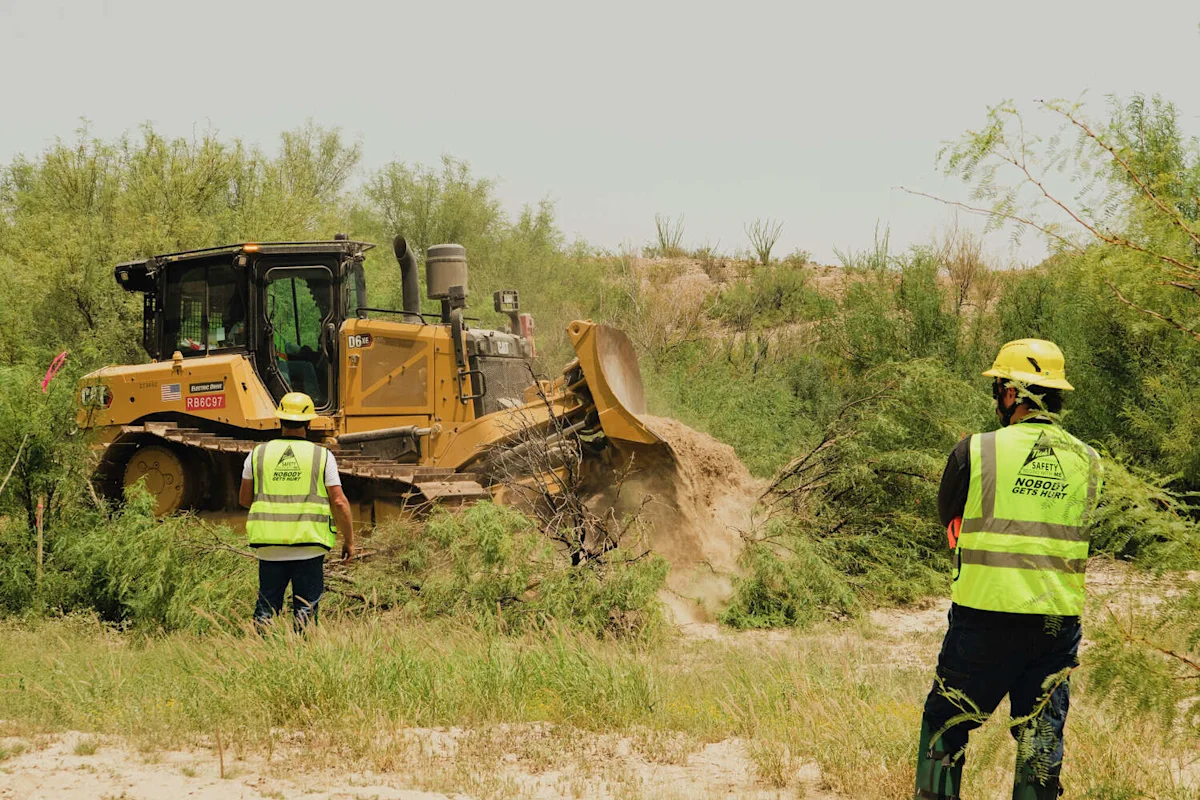
The Big Bend National Park border barrier project has become one of the most controversial environmental and political issues in Texas. Heavy equipment has begun clearing land inside one of the most iconic and ecologically significant landscapes in the United States.
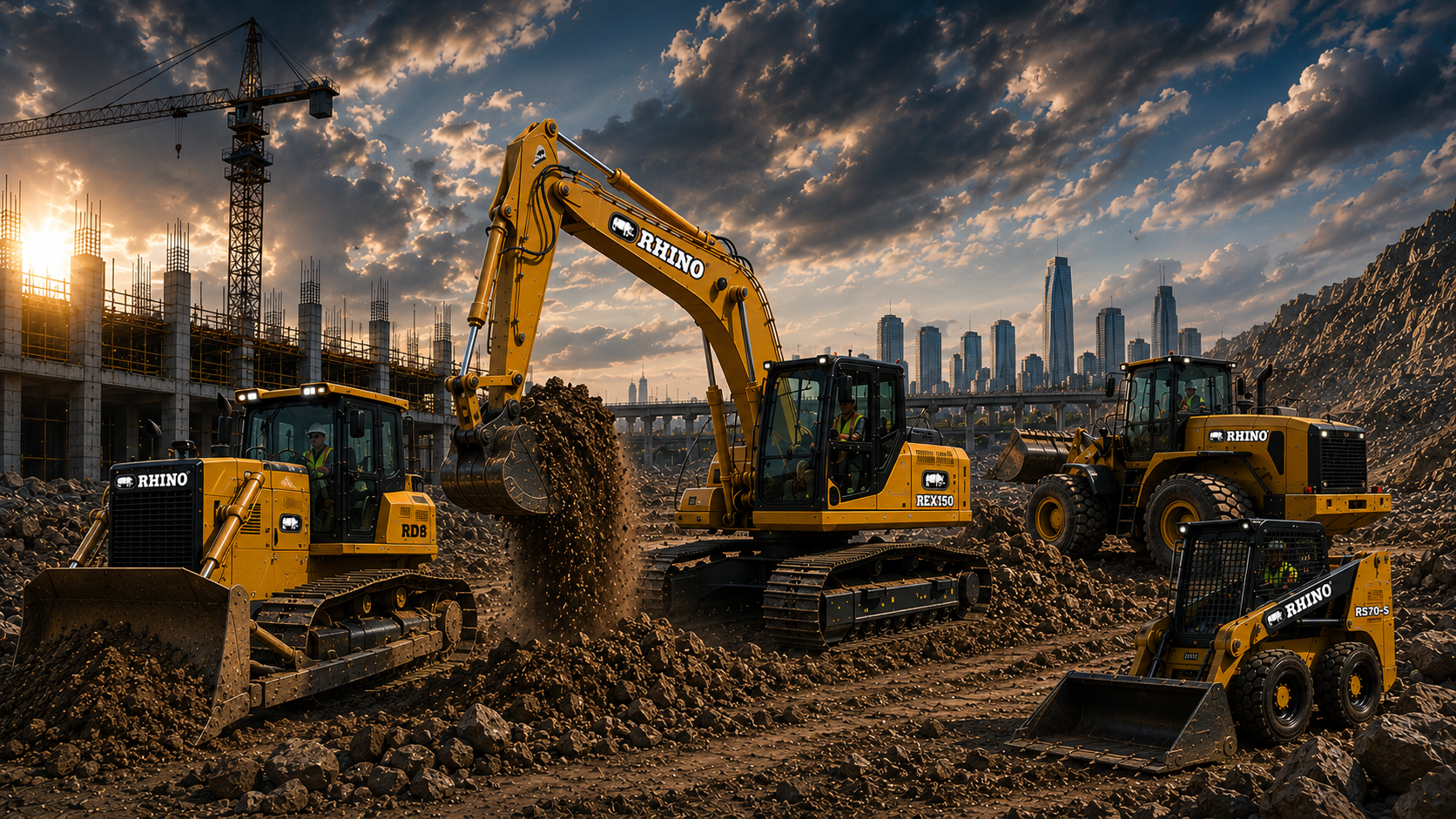
Bulldozers, excavators and construction crews have recently entered areas surrounding Santa Elena Canyon. As a result, they are transforming sections of the desert that many residents, conservationists and visitors consider among the most valuable natural environments in North America.
The project is part of a broader federal initiative designed to strengthen border security through a combination of vehicle barriers, patrol roads and surveillance technology. However, the work has generated widespread opposition from environmental organizations, local communities, tourism operators and landowners. These groups argue that the construction threatens an irreplaceable ecosystem.
Big Bend National Park Border Barrier Project Raises Environmental Concerns
Santa Elena Canyon has long been recognized as one of the most photographed locations in Texas. Its limestone cliffs rise approximately 1,500 feet above the Rio Grande. This creates one of the most distinctive landscapes along the United States-Mexico border.
Today, sections of that landscape are being transformed.
Construction routes marked with survey ribbons now cross areas previously occupied by native vegetation, including mesquite and willow trees. Federal contractors have already begun clearing land to create staging areas for construction equipment and future infrastructure.
The current proposal differs significantly from earlier plans that included the construction of 30-foot border walls within the park. Following public opposition, the project was revised to focus on vehicle barriers, surveillance systems and patrol roads.
Even with those modifications, critics argue that the environmental consequences could be permanent.
Conservation groups have warned that road construction and increased human activity could disrupt wildlife habitats, alter migration patterns and damage fragile desert ecosystems. These desert ecosystems have developed over thousands of years.
Federal environmental regulations associated with the project have also become a central point of controversy.
Local Communities and Conservation Groups Continue to Resist Construction
The opposition movement surrounding the project extends far beyond environmental organizations.
River guides, educators, business owners, property owners and outdoor enthusiasts have joined together to challenge the expansion of border infrastructure in the region.
Public demonstrations have attracted residents from different political backgrounds who share concerns about preserving the natural character of Big Bend.
Many opponents argue that once development permanently alters the landscape, restoring it will become impossible.
The debate has also reached state and federal political leaders.
Texas officials have expressed support for using technology to strengthen border security in remote regions. Meanwhile, some lawmakers have called for additional discussions with local communities before expanding construction activities.
Meanwhile, environmental organizations continue pursuing legal action aimed at slowing or modifying the project.
The Center for Biological Diversity, one of the organizations involved in the dispute, continues to advocate for stronger environmental protections. The group also continues challenging aspects of the federal government’s border strategy.
Border Security Strategies Continue to Expand Across West Texas
Supporters of the project argue that the new infrastructure is necessary to improve surveillance capabilities and accelerate emergency responses. In addition, they believe it will strengthen border security in remote areas.
Federal officials have emphasized that the project is intended to enhance monitoring rather than construct continuous walls throughout the national park.
At the same time, government agencies continue expanding border infrastructure beyond park boundaries.
Additional staging areas have already been established across rural West Texas. At the same time, officials evaluate opportunities to secure additional land for future development.
Interestingly, official statistics show that the Big Bend Sector recorded some of the lowest border encounter numbers in Texas during recent reporting periods. Nevertheless, federal authorities maintain that remote areas remain vulnerable and require additional infrastructure.
As construction activities continue, Big Bend has become the center of a broader national conversation involving conservation, public lands, border security and the long-term balance between environmental preservation and federal infrastructure development.