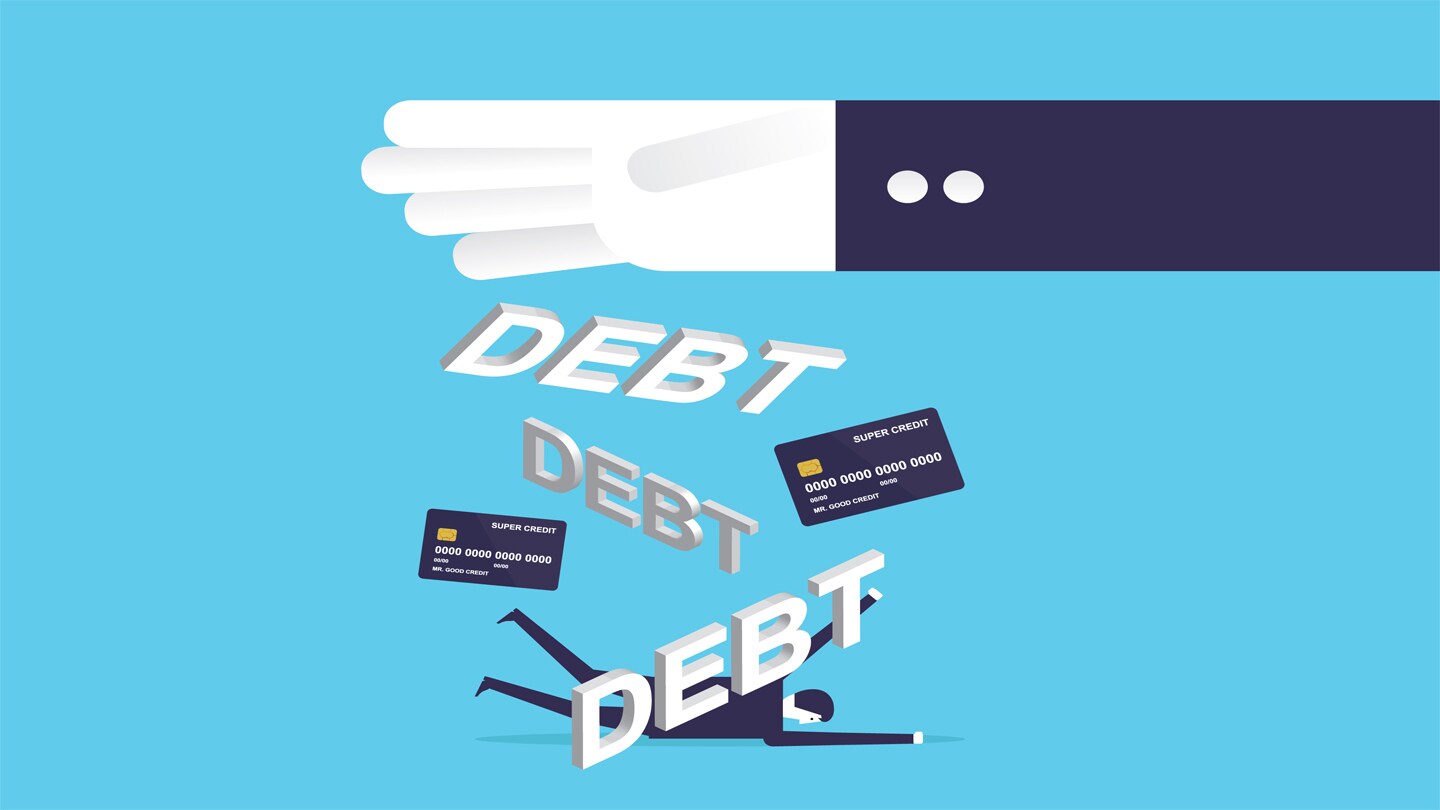
Paying off credit card debt is a major financial goal for millions of people. However, experts say eliminating debt shouldn’t come at the expense of building savings. Creating a financial cushion while reducing outstanding balances can help prevent future borrowing. It can also improve long-term financial stability.
Financial planners recommend balancing debt repayment with consistent saving. This approach allows households to prepare for unexpected expenses without relying on additional credit.
Build a Budget That Supports Both Goals
The first step is understanding exactly where your money goes each month. Experts recommend tracking every expense for at least 30 days. This helps identify spending habits and areas where costs can be reduced.
Common ways to free up additional cash include:
- Canceling unused subscriptions.
- Reducing discretionary spending, such as dining out or entertainment.
- Shopping more strategically for groceries and household items.
- Looking for opportunities to increase income through freelance work, overtime, or salary negotiations.
The money saved can then be redirected toward both debt repayment and savings.
Create an Emergency Fund Before New Debt Appears
One of the biggest reasons people fall back into credit card debt is unexpected expenses. Therefore, financial advisors recommend building a small emergency fund—even while paying down debt—to cover situations such as medical bills, car repairs, or home maintenance.
Many experts suggest setting aside an initial emergency reserve before aggressively increasing debt payments. Automatic transfers into a savings account can make this process easier and help establish consistent saving habits.
In addition to emergency savings, creating a “sinking fund” for predictable future expenses—such as holidays, insurance payments, or vehicle maintenance—can reduce the need to use credit cards later.
Make Extra Payments Strategically
Always making at least the minimum monthly payment is essential. This helps you avoid late fees, higher interest charges, and damage to your credit score.
Once a monthly budget has been established, any additional available income can be directed toward paying more than the minimum balance. Larger payments reduce both the principal balance and the amount of interest paid over time. As a result, this helps borrowers become debt-free faster.
As credit card balances decline and savings grow, the money previously used for debt payments can be redirected toward larger financial goals. These goals include retirement savings, investing, purchasing a home, or building a stronger emergency fund.
Financial experts emphasize that lasting financial health comes from balancing responsible debt repayment with consistent saving. This creates a foundation that reduces financial stress and increases long-term security.