
Discovery in Siberia Reveals Possible Ancient Dentistry
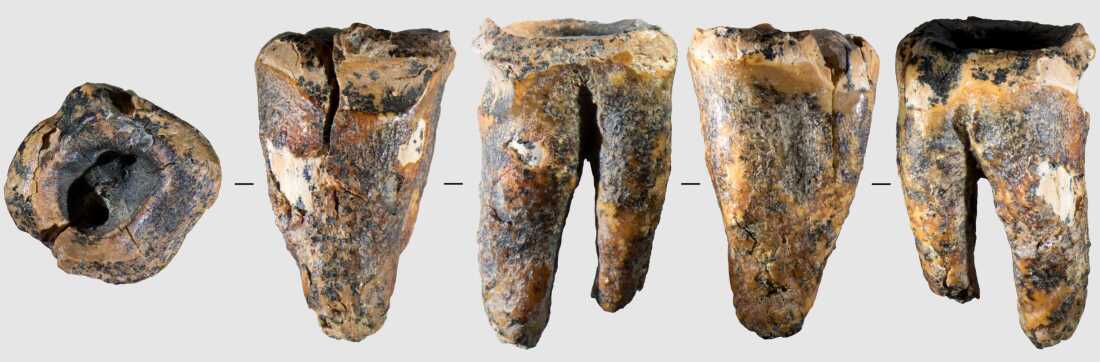
A remarkable archaeological finding at Chagyrskaya Cave is reshaping scientific understanding of Neanderthal capabilities. Researchers analyzing a 59,000-year-old molar uncovered a deep cavity that may represent one of the earliest known examples of an invasive dental procedure.
The study, published in PLOS One, suggests that the hole in the tooth was not the result of natural wear alone, but instead could have been deliberately created using a stone tool. If confirmed, this would indicate that Neanderthals possessed both the technical skill and anatomical knowledge to perform a procedure comparable to a modern root canal.
Findings from institutions such as University of Arizona and broader research on human evolution available at Smithsonian National Museum of Natural History reinforce the growing view that Neanderthals were far more sophisticated than once believed.
Evidence Points to Intentional Tool Use
The molar, excavated alongside stone and bone tools, was examined using micro-CT scans and electron microscopy. Scientists observed microscopic radial grooves within the cavity, patterns that strongly suggest rotational drilling with a sharp instrument.
According to John Olsen, a co-author of the study, the marks indicate that a tool was carefully manipulated between the fingers to remove infected tissue from inside the tooth. This level of precision implies not only dexterity but also a conceptual understanding of cause and effect in treating pain or infection.
To test their hypothesis, researchers replicated the procedure using reconstructed stone tools. The experimental results closely matched the wear patterns found in the fossilized tooth, strengthening the argument that the cavity was intentionally created.
Additional comparative insights into early human health and adaptation can be explored through National Geographic Human Evolution Research and Nature Human Behaviour Journal, where similar discoveries highlight the complexity of prehistoric life.
Debate Continues Over Interpretation
Despite the compelling evidence, not all experts are fully convinced. Rachel Kalisher notes that while the data is strong, alternative explanations—such as repeated wear from environmental factors—cannot be entirely ruled out.
This ongoing debate reflects a broader challenge in archaeology: distinguishing intentional human behavior from natural processes. However, even skepticism acknowledges that the hypothesis is plausible, given the growing body of evidence demonstrating Neanderthal intelligence and adaptability.
The discovery contributes to a larger narrative about Neanderthals as skilled toolmakers and social beings capable of cooperation and care. Performing such a procedure would likely require trust between individuals, as well as a willingness to endure pain for long-term relief.
Rethinking Neanderthal Intelligence and Care
The implications of this finding extend far beyond dentistry. If Neanderthals were capable of performing procedures to treat dental pain, it suggests a level of medical awareness and social organization previously underestimated.
Archaeological evidence has increasingly shown that Neanderthals engaged in complex behaviors, including symbolic expression, advanced tool production, and possibly even forms of healthcare. This molar adds another piece to that puzzle, pointing toward a nuanced understanding of health and survival.
Rather than being primitive or purely instinct-driven, Neanderthals appear to have possessed the cognitive and cultural tools necessary to respond creatively to challenges—including something as universally human as a toothache.