
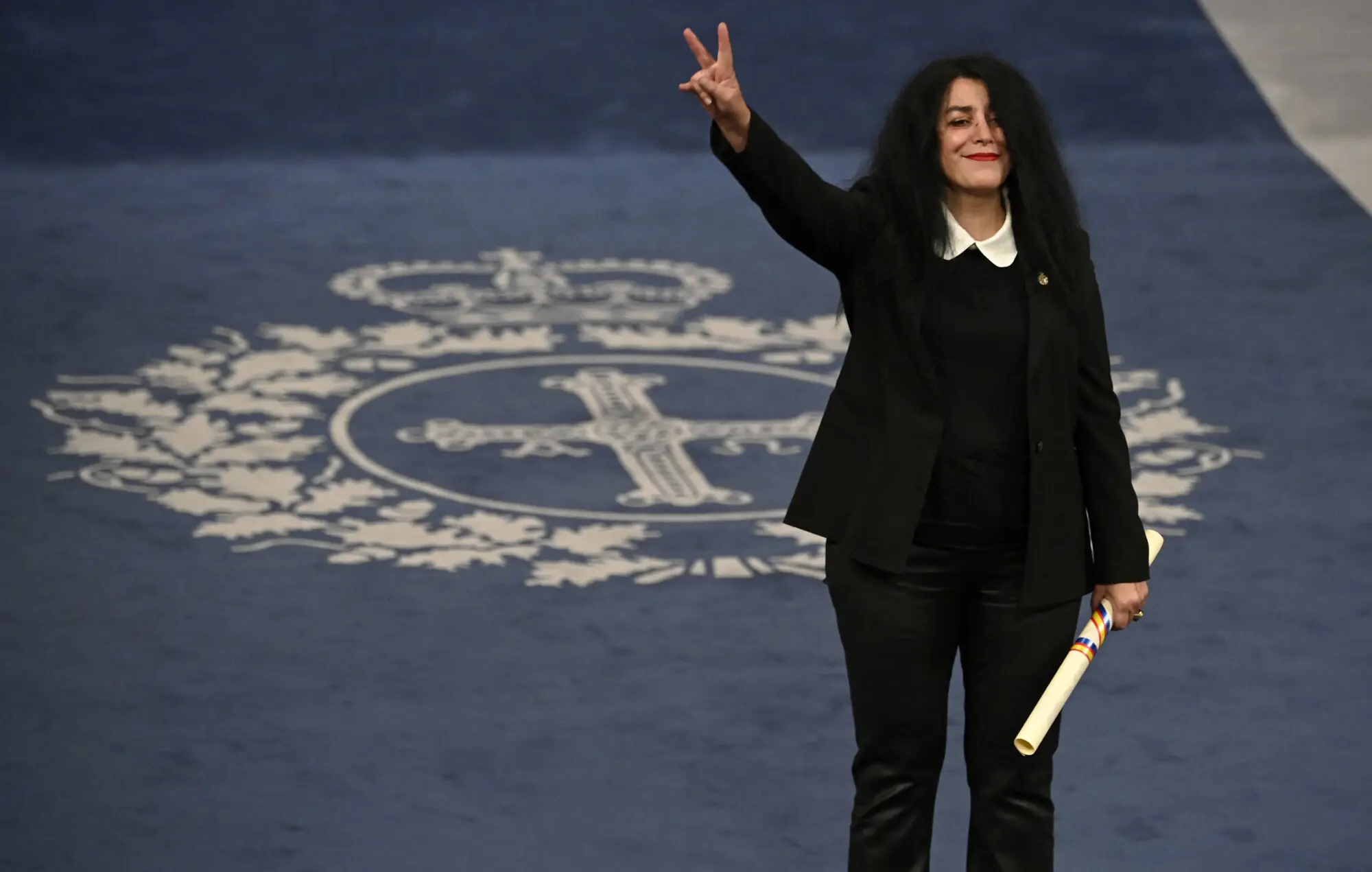
Marjane Satrapi Dies at 56, Leaving a Lasting Legacy Through Persepolis and Human Rights Advocacy
Marjane Satrapi dies at 56, marking the loss of one of the most influential literary and artistic voices of her generation. The internationally acclaimed author, filmmaker, illustrator, and outspoken advocate for freedom of expression became known worldwide through her groundbreaking graphic memoir Persepolis, a work that transformed personal storytelling into a powerful reflection on revolution, exile, identity, and human rights.
The French presidency confirmed her death on Thursday, paying tribute to an artist whose work resonated far beyond national borders. Through her books, films, and public advocacy, Satrapi inspired readers around the world while drawing attention to the struggles faced by women and dissidents in Iran.
Her career spanned more than two decades and helped elevate graphic novels into a respected medium for political, historical, and autobiographical storytelling.
From Tehran to International Acclaim
Born in Tehran in 1969, Marjane Satrapi grew up during a period of profound political transformation in Iran. Her childhood coincided with the events surrounding the 1979 Iranian Revolution, a turning point that reshaped the country’s political and social structure.
Raised in a politically engaged family, Satrapi developed an early awareness of social justice, freedom, and political repression. As a teenager, she left Iran to continue her education in Europe, living in Vienna before eventually settling in France.
Her experiences navigating different cultures, while remaining deeply connected to her Iranian roots, would later become the foundation for her most celebrated work.
Information about contemporary graphic literature and cultural preservation can be explored through Library of Congress.
Published between 2000 and 2003, Persepolis chronicled Satrapi’s childhood during the revolution, her adolescence abroad, and her eventual decision to leave Iran permanently. The graphic memoir received widespread critical acclaim and became an international bestseller translated into more than 20 languages.
The book introduced millions of readers to a deeply personal perspective on Iranian history while highlighting universal themes of identity, resilience, family, and freedom.
Persepolis Became a Landmark in Graphic Storytelling
The success of Persepolis extended well beyond the literary world. In 2007, Satrapi co-wrote and co-directed an animated adaptation of the memoir alongside filmmaker Vincent Paronnaud.
The film premiered to international acclaim and earned the Jury Prize at the prestigious Cannes Film Festival. Its success further established Satrapi as a leading creative figure capable of bridging literature, cinema, and political commentary.
The adaptation later received an Academy Award nomination for Best Animated Feature, making Satrapi the first woman ever nominated in that category.
Throughout her career, Satrapi frequently emphasized the unique power of visual storytelling. She believed illustrations could communicate complex emotions and historical realities in ways that transcended language barriers and cultural differences.
Her artistic approach helped redefine how graphic novels were perceived, encouraging publishers, educators, and readers to embrace the format as a serious literary medium capable of addressing complex social and political issues.
Additional information about international cinema and film recognition is available through the Academy of Motion Picture Arts and Sciences.
A Lifelong Voice for Freedom and Women’s Rights
Beyond her literary and cinematic achievements, Satrapi remained a committed advocate for freedom of expression and women’s rights. Much of her public work focused on highlighting the challenges faced by women living under restrictive social and political systems.
She frequently spoke about her experiences growing up after the Iranian Revolution, including mandatory dress regulations and limitations placed on personal freedoms. These experiences shaped her lifelong commitment to defending individual rights and artistic expression.
Her final major publication, Woman, Life, Freedom, released in 2024, reflected that commitment. The collaborative anthology brought together writers, scholars, and artists to document the protests that emerged following the death of Mahsa Amini and the broader movement calling for social and political reform in Iran.
More information about global human rights initiatives can be found through Amnesty International.
Throughout her life, Satrapi continued to write, draw, direct films, and participate in international discussions about democracy, equality, and artistic freedom. Her work connected personal experiences with broader historical realities, helping audiences around the world better understand the human consequences of political upheaval while inspiring generations of readers, artists, and activists.