A federal judge has ruled in favor of artificial intelligence company Anthropic, finding that the Pentagon acted illegally when it designated the company a supply chain risk following a dispute over the military’s use of AI.
U.S. District Judge Rita Lin issued a 59-page ruling Thursday night, concluding that the government’s actions were driven largely by Anthropic’s criticism of the administration’s position on artificial intelligence rather than evidence that the company posed an actual security threat.
The Pentagon is expected to challenge the decision.
A dispute over AI and national security
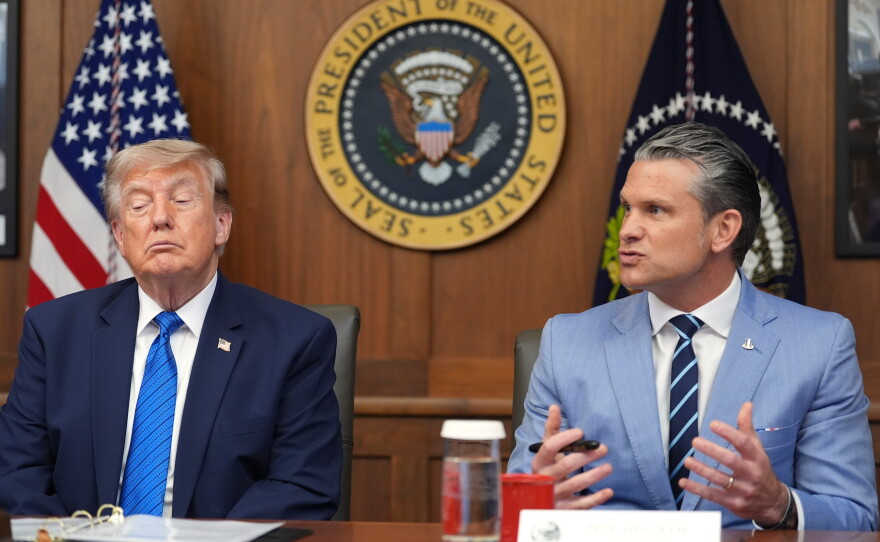
The conflict began in February, when President Donald Trump and Defense Secretary Pete Hegseth accused Anthropic of threatening national security and designated the company as a supply chain risk.
The confrontation followed Anthropic CEO Dario Amodei’s refusal to allow unrestricted military use of the company’s AI systems. Anthropic had expressed concerns that its technology could potentially be used for applications such as mass surveillance or autonomous weapons.
Anthropic subsequently sued the Pentagon, describing the government’s actions as an “unlawful campaign of retaliation” over the company’s position.
Judge rejects the government’s reasoning
Judge Lin concluded that the government did not establish a sufficient legal basis for imposing such sweeping penalties on Anthropic.
In her ruling, she wrote that the government’s actions appeared to be motivated by a desire to make an example of the company because of its criticism of the administration.
Lin also determined that neither the Constitution nor the federal law cited by the government authorized officials to impose broad penalties primarily because Anthropic disagreed with the administration’s views.
The decision represents a significant legal setback for the Pentagon as the government attempts to expand the use of artificial intelligence in national security and defense.
A broader battle over AI in warfare
The case has become part of a larger debate over the limits that AI companies should place on military applications of their technology.
Anthropic has argued that some uses of AI — particularly autonomous weapons and mass surveillance — raise ethical and safety concerns that companies should be able to restrict.
At the same time, the U.S. government is seeking increasingly sophisticated AI capabilities for defense, intelligence and national security.
Anthropic’s position has also created tension with its competitors. OpenAI, the company behind ChatGPT, reached an agreement with the Pentagon just hours after the government took action against Anthropic.
What happens next?
Anthropic welcomed the ruling and said it remains committed to working with the government on national-security applications of AI.
The administration, however, has not indicated that the dispute is over, and an appeal is expected.
The case could ultimately establish an important precedent for how much authority the federal government has to penalize technology companies that impose restrictions on the military use of artificial intelligence.
As AI becomes increasingly central to national security, the Anthropic case highlights a growing conflict between government demands for unrestricted access to emerging technology and companies’ attempts to establish limits on how that technology can be used.