Iran’s battered regime has survived six months of war with the United States and Israel, despite the destruction of major military capabilities, severe economic pressure and the loss of senior leaders. The conflict has weakened Tehran, but it has not produced the political collapse that Washington and its allies had hoped to achieve.
The fighting began on February 28 and continued at high intensity until a ceasefire was declared on April 8. Since then, the conflict has entered a more unstable phase, marked by periodic strikes, economic warfare, stalled diplomacy and a continuing struggle over the Strait of Hormuz.
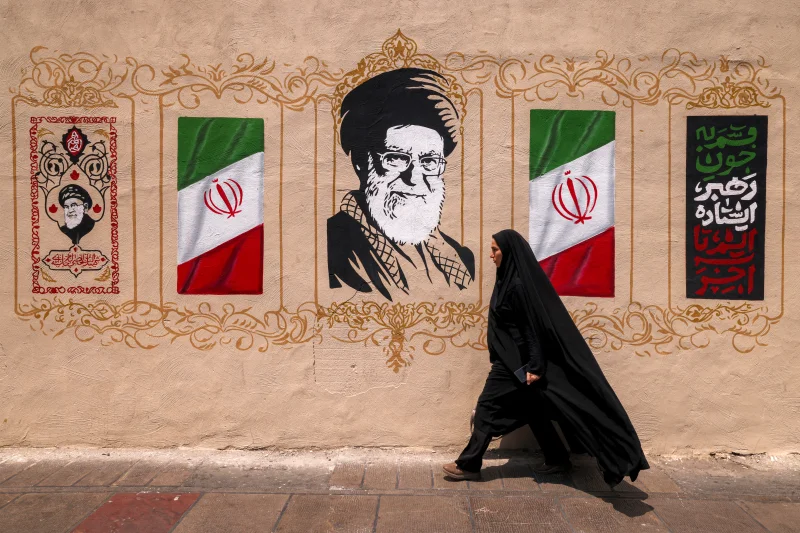
The war has also transformed Iran’s internal power structure. Supreme Leader Ayatollah Ali Khamenei was killed during the initial attacks after more than three decades at the top of the Islamic Republic. His son, Mojtaba Khamenei, subsequently became supreme leader.
Yet the political system itself has remained intact.
The World Health Organization’s regional emergency reporting put the Iranian death toll at 3,375, with more than 33,000 people injured. The Pentagon has reported 18 U.S. military deaths and hundreds of injuries, while Israel and several Gulf states have also suffered fatalities.
The scale of the destruction has raised questions about whether the United States can maintain military pressure indefinitely. U.S. forces remain deployed across the region, but the opening campaign consumed significant quantities of missiles and other munitions.
That creates a strategic problem for Washington. Military force has inflicted serious damage on Iran, but the regime has demonstrated that battlefield losses do not necessarily translate into political surrender.
Iran Has Turned the Strait of Hormuz Into a Strategic Weapon
The Strait of Hormuz has become one of Tehran’s most powerful bargaining tools.
The narrow waterway connects the Persian Gulf with the Gulf of Oman and is critical to global oil and liquefied natural gas shipments. Iran’s ability to disrupt traffic through the Strait has allowed the government to impose costs far beyond its borders.
The disruption has affected crude oil, LNG, fertilizer and other commodities. Higher transportation and energy costs have spread through international markets, putting additional pressure on consumers and businesses.
Iran and Oman have discussed an arrangement that could temporarily reopen the Strait. The Trump administration, however, has rejected any arrangement that would effectively recognize Iranian control over the waterway or allow Tehran to impose charges on international shipping.
That disagreement illustrates the broader diplomatic problem. Tehran views control over the Strait as leverage against its opponents, while Washington wants to prevent Iran from turning a strategically important international waterway into an instrument of political pressure.
Gulf countries have attempted to reduce their dependence on Hormuz by using alternative pipelines and export routes. Those efforts can provide additional capacity, but energy analysts have warned that they cannot replace the Strait in the near term.
The International Energy Agency’s analysis of the Strait of Hormuz shows why the waterway remains so important to global energy markets. Even with additional bypass infrastructure, a large share of Gulf energy exports would still depend on maritime routes through the region.
That vulnerability gives Iran leverage even after its military capabilities have been significantly reduced.
The conflict has also exposed another limitation. Iran does not need to defeat the United States militarily to impose economic costs. It can instead threaten shipping, energy infrastructure and regional stability while forcing Washington and its allies to spend resources protecting commercial routes.
For the Gulf states, the consequences are particularly severe. Their economies depend heavily on energy exports, and prolonged disruption threatens both government revenue and broader economic stability.
Diplomacy Has Stalled as Iran’s Economic Crisis Deepens
The ceasefire was supposed to create an opportunity for negotiations. Instead, talks between Washington and Tehran have repeatedly stalled.
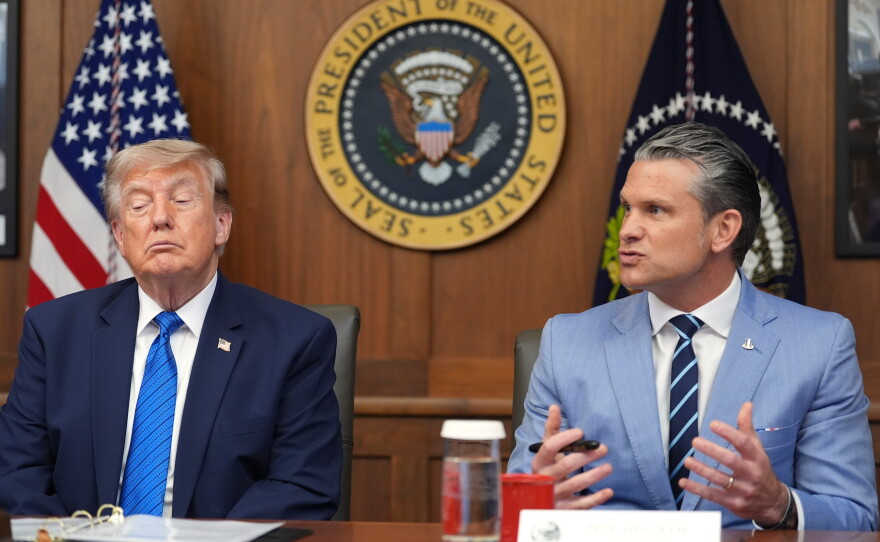
President Donald Trump has continued to threaten Iran while the United States has carried out periodic strikes, particularly against missile and drone facilities. Washington has also intensified economic pressure in an effort to weaken Tehran’s ability to finance the state and its military apparatus.
Iran’s economy was already under severe pressure before the war. Six months of fighting, sanctions and restrictions on oil exports have made the situation considerably worse.
The International Monetary Fund’s latest Iran outlook projects that Iran’s real GDP will contract by 5.4% in 2026, while consumer prices are projected to rise by 68.9%.
For ordinary Iranians, the economic crisis is more immediate than those headline figures suggest.
A 30-year-old blogger interviewed for the material said her family and friends increasingly rely on credit to purchase food because they do not have enough cash. Basic products have become a central concern, while medical treatment has become increasingly difficult to afford.
In Tehran, a 50-year-old woman with asthma said the price of her domestic generic inhaler had risen from $5 to $15. She also described difficulty finding the medicine despite its being produced inside Iran.
Those pressures create a difficult political calculation for the government. Economic hardship can generate public anger, but severe external pressure can also encourage a government to strengthen internal controls.
That appears to be happening in Iran.
The Middle East Institute’s analysis of Iran’s wartime political structure has emphasized that structural weakness does not automatically lead to regime collapse. External conflict can instead strengthen the security institutions that are best positioned to protect the state.
Alex Vatanka, a senior fellow at the institute who specializes in Iranian affairs, has argued that the regime remains firmly in control despite the damage inflicted by the war.
At the same time, he has suggested that some senior Iranian officials recognize the danger of an open-ended conflict. According to the material, figures including Supreme National Security Council head Mohsen Rezaei and Revolutionary Guard chief Ahmad Vahidi are quietly supporting a return to negotiations.
That does not mean the regime is preparing to surrender.
Rather, the debate appears to center on how Iran can preserve the political system while reducing the risks created by continued confrontation.
The distinction is important. A government can become weaker economically and militarily without becoming politically incapable of maintaining control.
Iran’s leadership has also intensified repression. The United Nations says at least 56 people have been executed on national security charges since mid-March, including 27 people linked to protests earlier in the year.
The crackdown adds another layer to the country’s crisis. Protest movements can expose dissatisfaction with the government, but Iran’s security apparatus has demonstrated its willingness to use arrests, executions and force to contain political unrest.
That makes a spontaneous collapse far less certain.
Six Months of War Have Changed Iran, But Not Broken the System
The war has fundamentally altered Iran’s military and political landscape.
The initial U.S.-Israeli campaign severely damaged the country’s air defenses and air force. Iran’s navy was also heavily degraded, although small fast-attack boats remained operational.
Iran’s missile and drone programs suffered substantial damage as well. Nevertheless, Tehran retained enough capabilities to launch periodic attacks and threaten targets across the region.
The regime has therefore lost significant military capacity without losing its ability to impose costs on its adversaries.
That distinction helps explain why the conflict has settled into an uneasy pattern rather than producing a decisive outcome.
The United States retains overwhelming military advantages, but sustaining a prolonged high-intensity campaign presents logistical and political challenges. Iran, meanwhile, cannot match U.S. conventional military power but can exploit geography, asymmetric tactics and its control over strategically important infrastructure.
The Strait of Hormuz is the clearest example.
Iran’s ability to disrupt energy exports means that even a militarily weakened government can influence global markets. The longer the disruption continues, the greater the economic pressure on countries that depend on Gulf energy supplies.
Inside Iran, the picture is equally complicated.
The country’s economic contraction, high inflation, shortages and unemployment have increased the burden on households. Yet the same war that has created those conditions has also given the government an argument for tighter security controls.
The regime can portray dissent as a national-security threat while presenting external pressure as evidence that Iran is fighting for its survival.
That dynamic makes the political consequences of the war difficult to predict.
Vatanka has argued that protests alone are unlikely to force political change against a government willing to use lethal repression. A successful challenge to the regime would require defections from parts of the political and security establishment, along with a coherent political alternative.
For now, neither condition appears to have produced a decisive break.
The result is a country that has suffered enormous military and economic damage while maintaining the core structures of power. Iran’s leadership has lost senior figures, including its longtime supreme leader, but the system has adapted rather than collapsed.
Six months after the war began, the central question is therefore no longer simply whether Iran can withstand another military strike. It is whether continued economic pressure, internal repression and diplomatic isolation will eventually create divisions within the ruling establishment that military force alone has failed to produce.