Landmark Prosecution Comes to an End
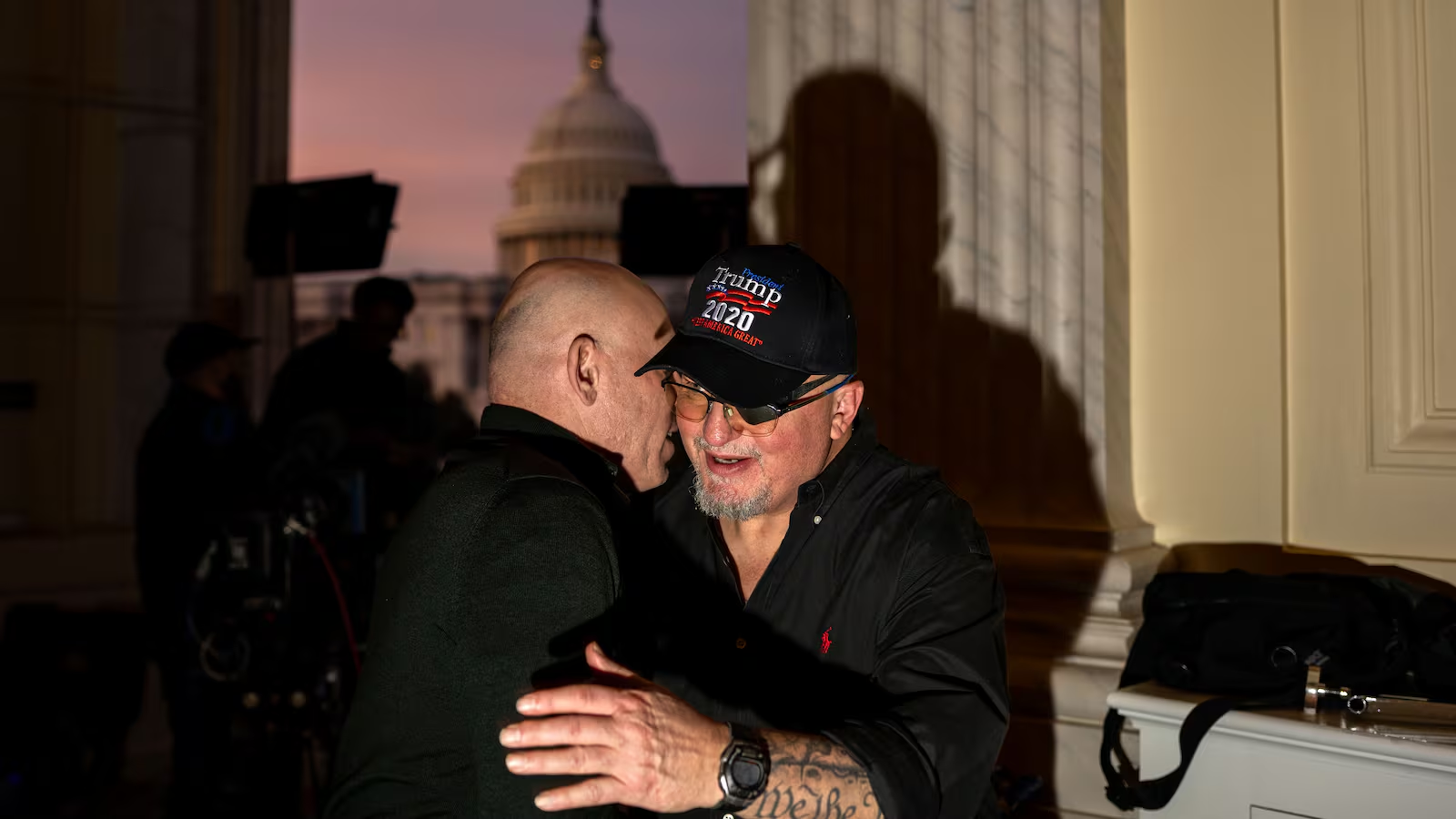
A federal judge has dismissed the seditious conspiracy case against Stewart Rhodes, founder of the far-right Oath Keepers militia. The case also involved several of the group’s senior members. This happened after the U.S. Department of Justice moved to abandon the prosecution.
The decision concludes one of the most significant criminal cases stemming from the January 6, 2021, attack on the U.S. Capitol. Prosecutors had argued that members of the organization conspired to prevent the peaceful transfer of presidential power through force.
Judge Criticizes the Decision
U.S. District Judge Amit Mehta, who previously sentenced Rhodes to 18 years in prison, approved the dismissal. He did so while expressing strong disagreement with the Justice Department’s position.
In his written order, Mehta stated that the dismissal diminishes the seriousness of the January 6 attack. Furthermore, it undermines the work of investigators and prosecutors and weakens accountability for actions that threatened a fundamental democratic process in the United States.
Justice Department Reverses Course
The dismissal follows the Justice Department’s decision to withdraw the landmark prosecution. This change came after the Trump administration reversed its previous legal approach to many January 6 cases.
Earlier, President Donald Trump granted pardons to nearly all defendants charged in connection with the Capitol riot. This move significantly reshaped the legal landscape surrounding the events of January 6.
Defense attorneys welcomed the dismissal, arguing that the charge of seditious conspiracy should never have been brought against the defendants.
Debate Over January 6 Continues
The ruling arrives as former federal prosecutors have urged the U.S. Senate to carefully evaluate judicial nominees’ positions regarding the January 6 attack and the 2020 presidential election.
Supporters of the former prosecution argue that accountability for the Capitol attack remains essential to protecting democratic institutions. Meanwhile, critics of the original case contend that the charges were politically motivated.
The dismissal marks another major chapter in the continuing national debate over the legal, political, and constitutional consequences of the January 6 Capitol riot.