Global oil markets moved lower after renewed diplomatic signals suggested commercial shipping through the Strait of Hormuz could soon resume, easing concerns over one of the world’s most critical energy corridors. Investors responded quickly as expectations of improved maritime access reduced fears of prolonged supply disruptions that had pushed crude prices sharply higher during recent weeks. As a result, Strait of Hormuz oil prices have become a key indicator for market reaction.
Although optimism returned to commodity markets, analysts cautioned that negotiations remain fragile and that any setback could rapidly reverse the latest decline in oil prices. Geopolitical instability can impact Strait of Hormuz oil prices within a very short timeframe.
Diplomatic Momentum Brings Relief to Energy Markets
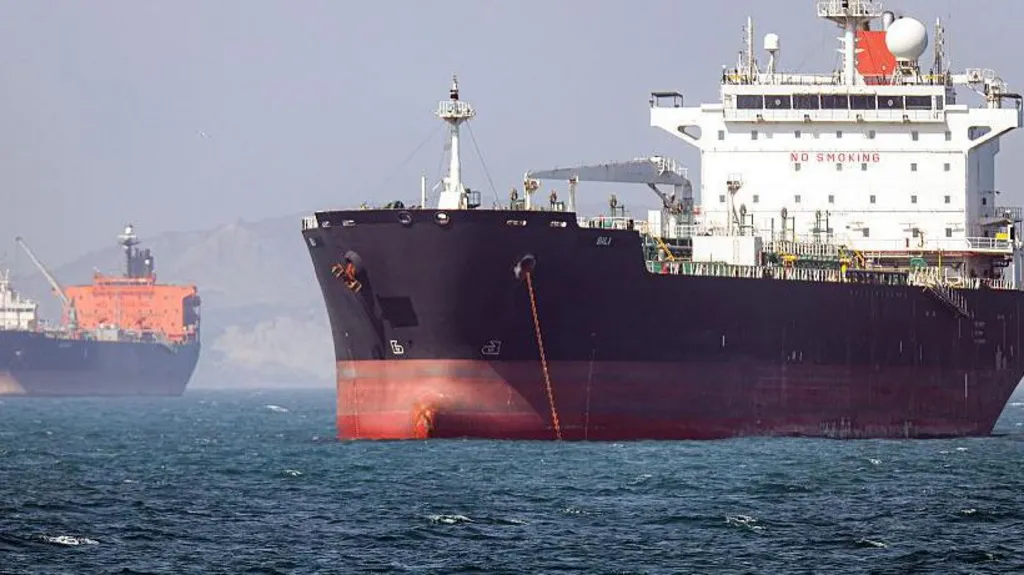
Brent crude and West Texas Intermediate both recorded significant declines after senior U.S. officials indicated that discussions involving regional mediators had made meaningful progress. Traders interpreted the statements as an encouraging sign that oil tankers may soon regain safer access through the Strait of Hormuz, a passage that carries roughly one-fifth of global petroleum shipments and has a direct impact on Strait of Hormuz oil prices worldwide.
The possibility of restoring normal maritime traffic immediately reduced the geopolitical risk premium that had been built into crude prices throughout the conflict. Energy traders have become highly sensitive to developments affecting the region because even temporary interruptions can tighten global supply chains and increase transportation costs.
Meanwhile, diplomatic contacts involving Oman and other regional partners continue behind the scenes as governments search for mechanisms capable of reducing military tensions while restoring commercial navigation. Additional market data and petroleum statistics remain available through U.S. Energy Information Administration and global supply assessments published by the International Energy Agency.
Shipping Routes Remain Central to Global Supply
Despite the recent decline in crude prices, shipping conditions across the Persian Gulf remain uncertain. Insurance premiums for commercial vessels have increased substantially, while shipping companies continue evaluating operational risks before fully restoring regular routes. Furthermore, ongoing volatility in Strait of Hormuz oil prices affects risk assessment for maritime operators.
The Strait of Hormuz remains one of the world’s most strategically important maritime chokepoints, connecting major oil-producing nations with customers across Asia, Europe and North America. Any disruption along the corridor immediately affects freight costs, tanker availability and energy market sentiment.
Alternative export routes have helped offset part of the disruption, yet they lack the capacity to replace the enormous daily volumes that normally pass through Hormuz. Maritime security updates and international shipping information continue to be monitored by organizations including the International Maritime Organization, while broader global trade statistics are compiled by the WorldTrade Organization.
Investors Continue Watching Every Diplomatic Signal
Financial markets welcomed the latest diplomatic developments, but few investors believe volatility has disappeared. Previous rounds of negotiations have repeatedly raised expectations before breaking down, producing sharp swings in commodity prices within hours.
Lower crude prices have provided temporary relief for transportation companies, manufacturers and consumers facing elevated fuel costs. Equity markets also reacted positively as declining energy prices reduced concerns about inflationary pressure and future monetary policy.
Nevertheless, commodity analysts emphasize that the market remains driven primarily by geopolitical headlines rather than traditional supply-and-demand fundamentals. Until a durable agreement guarantees uninterrupted navigation through the Strait of Hormuz, oil prices are likely to remain highly responsive to every official statement, diplomatic meeting and security development affecting one of the world’s most vital energy corridors. In summary, Strait of Hormuz oil prices will continue to influence global energy trends.