
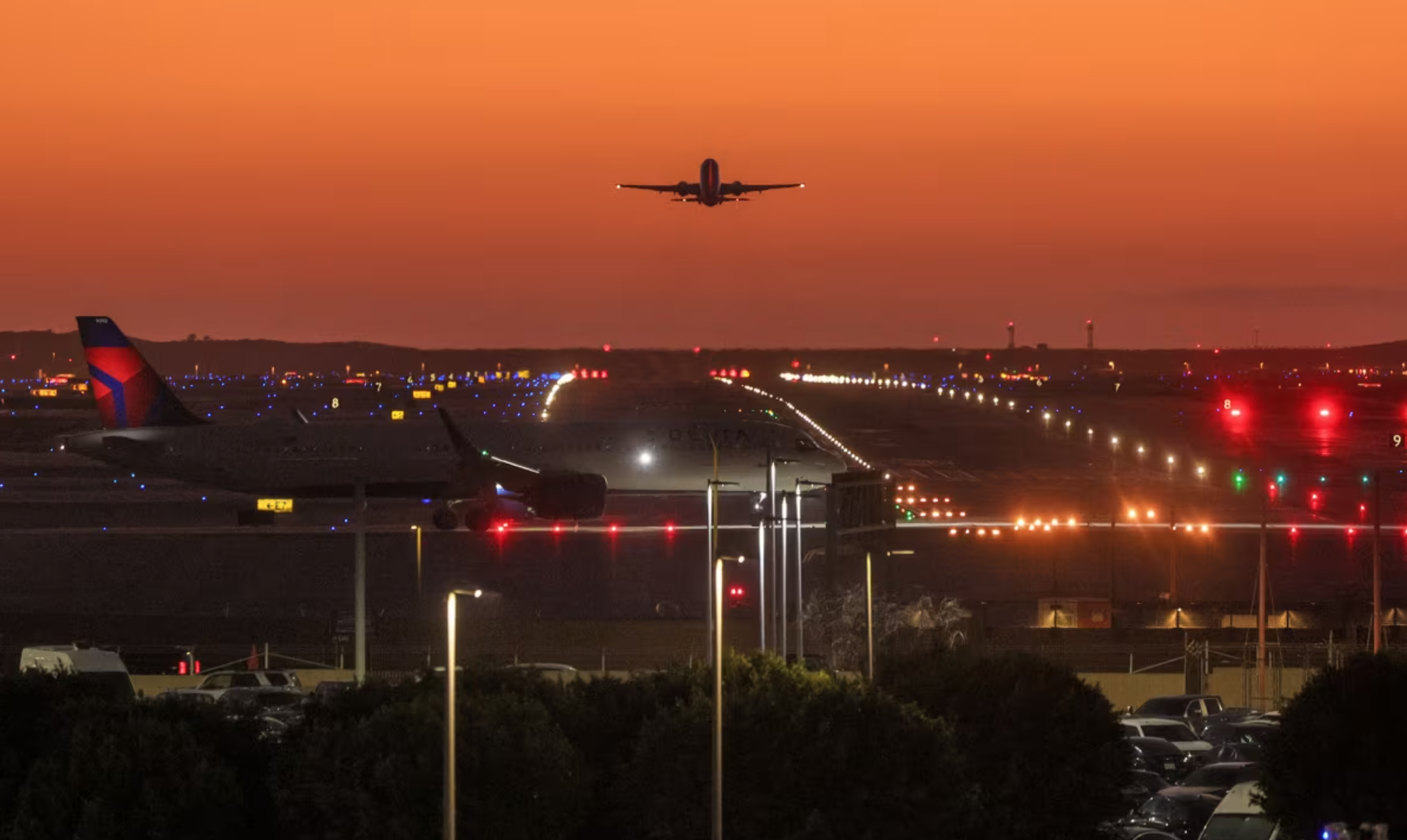
The decline in jet fuel prices has raised an obvious question for travelers: if airlines are paying less for one of their largest operating expenses, why are ticket prices still so high? While fuel costs have eased considerably after earlier volatility, carriers across the industry continue to maintain elevated fares. Instead, they point to strong passenger demand, tighter flight schedules and the economics of a market that remains favorable to airlines.
For travelers planning summer vacations or business trips, the expected price relief has yet to materialize. Airlines argue that ticket prices are determined by market conditions rather than by a direct calculation of operating costs. Therefore, cheaper fuel does not automatically translate into cheaper seats.
Industry analysts say the combination of healthy booking trends and reduced capacity has given airlines little incentive to reduce fares. Even as fuel markets become more stable, this situation continues.
Jet Fuel Prices Decline While Airfares Stay Elevated
The recent drop in jet fuel prices follows months of volatility that briefly pushed operating costs significantly higher for commercial airlines. Fuel traditionally ranks among the industry’s largest expenses. For many carriers, it is second only to labor, making sudden price swings a major factor in quarterly financial performance.
Recent market data shows wholesale jet fuel costs have retreated substantially from earlier highs. Information published by Airlines for America indicates that fuel markets have stabilized compared with previous months. This now provides financial relief for carriers that faced higher expenses earlier in the year.
Despite that improvement, ticket prices have remained relatively firm across many domestic and international routes. Aviation analysts attribute the situation to a simple market reality: demand continues to outpace available capacity on many popular routes.
Several airlines have reduced less-profitable schedules, retired older aircraft or concentrated service on higher-demand destinations. The result has been fewer available seats, allowing carriers to maintain pricing even as one of their major expenses declines.
Demand and Limited Capacity Continue to Shape Airline Pricing
The relationship between jet fuel prices and airfare is more complex than many travelers assume. While fuel expenses directly affect airline profitability, ticket prices are ultimately influenced by competition, available seats, seasonal travel patterns and consumer demand.
During the peak summer season, airlines typically experience some of the strongest booking activity of the year. Leisure travelers, family vacations and international tourism combine to create exceptionally high demand. Consequently, carriers can preserve higher fares without significantly reducing passenger volumes.
Current aviation market trends published by International Air Transport Association show that global passenger demand has remained resilient despite higher travel costs. This supports airlines’ decisions to prioritize profitability over aggressive price reductions.
Additional revenue generated through baggage charges, premium seating options, priority boarding and other ancillary services has also become an increasingly important part of airline business models. Many industry observers believe these fees are unlikely to decline even if fuel costs continue easing.
For consumers, that means the total cost of flying often extends well beyond the advertised ticket price. This is particularly true on routes where checked baggage and seat selection are purchased separately.
Travelers May Need to Wait Longer for Meaningful Fare Relief
Although jet fuel prices have improved, aviation economists caution that lower fuel costs alone rarely trigger immediate reductions in airfare. Airlines generally adjust pricing based on booking patterns and competitive conditions rather than responding directly to fluctuations in energy markets.
Market analysts expect some seasonal moderation once peak travel demand fades later in the year. Even then, any decline is likely to reflect normal seasonal patterns rather than a direct response to lower fuel costs.
Economic indicators tracked by U.S. Energy Information Administration continue to monitor movements in petroleum and refined fuel markets. Meanwhile, broader transportation trends are analyzed by the U.S. Department of Transportation.
For now, travelers appear willing to absorb higher prices in exchange for continued travel. As long as flights remain full and demand exceeds available capacity on many routes, airlines are expected to keep fares near current levels. This will likely continue even as operating costs become more favorable.