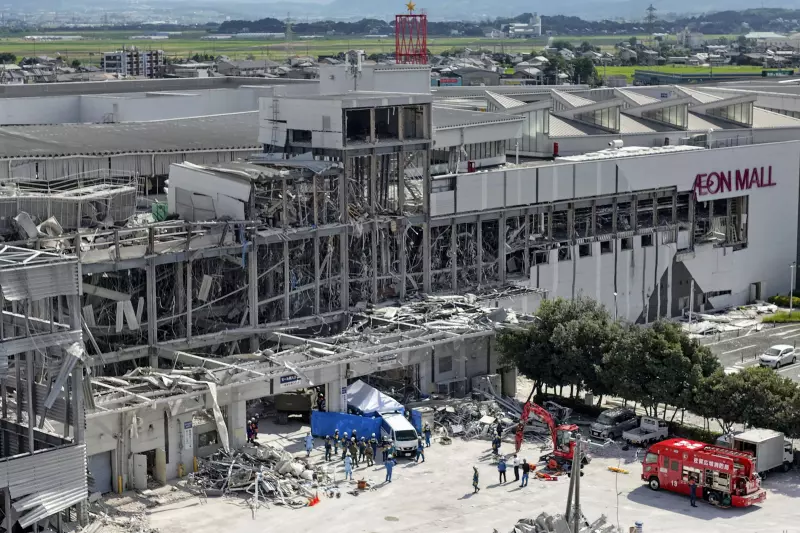
Emergency crews across Japan’s Kumamoto Prefecture continued intensive search operations after a powerful earthquake devastated communities, leaving emergency shelters crowded and thousands of residents coping with damaged infrastructure. While rescue teams remain focused on locating anyone who may still be trapped beneath collapsed structures, local authorities are also shifting attention toward restoring essential services and preventing secondary health risks among displaced families.
The earthquake struck southwestern Japan with enough force to damage residential neighborhoods, public facilities and commercial buildings across several municipalities. Roads were cracked, utility networks disrupted and numerous buildings declared unsafe, forcing thousands of people to leave their homes.
Disaster response teams from across the country have joined local firefighters, police officers and Japan’s Self-Defense Forces to assist with rescue operations, debris removal and humanitarian support. Seismologists continue monitoring aftershocks, warning that additional tremors could complicate recovery efforts during the coming days.
Rescue Operations Continue Under Difficult Conditions
Search-and-rescue crews are working around the clock despite unstable structures and high temperatures. Heavy equipment is being used cautiously in areas where officials believe survivors could still be trapped, while specialized rescue dogs and thermal imaging technology are assisting emergency responders.
Japan’s disaster management system, recognized as one of the world’s most advanced, has mobilized personnel from neighboring prefectures to reinforce local emergency services. Information about the country’s disaster preparedness framework is available through Cabinet Office Disaster Management.
Authorities have urged residents to remain alert for aftershocks and avoid entering damaged buildings until structural inspections are completed. Engineers continue evaluating schools, hospitals and public infrastructure to determine when normal activities can safely resume.
Thousands Remain in Emergency Shelters
Temporary shelters established in schools, community centers and sports facilities continue housing displaced residents. Volunteers and municipal workers are distributing bottled water, packaged meals, blankets and hygiene supplies while medical personnel monitor vulnerable groups, including older adults, children and people with chronic illnesses.
High temperatures have become an additional concern. Health officials are encouraging evacuees to remain hydrated and seek medical attention if they experience symptoms of heat exhaustion or dehydration. Public guidance on emergency preparedness and disaster response can be found through Utility companies have begun restoring electricity and water service where conditions allow, although damaged pipelines and unstable terrain continue slowing repair efforts in some communities.
Recovery Will Extend Beyond the Emergency Response
Although rescue operations remain the immediate priority, government officials acknowledge that rebuilding affected communities will require months of coordinated work. Structural inspections, financial assistance for homeowners and business recovery programs are expected to form the next stage of the response.
Japan’s experience with earthquakes has led to strict building standards that have reduced casualties in many events, yet powerful seismic activity continues to test infrastructure and emergency planning. Scientific information about earthquakes and seismic hazards is available through . Geological Survey Earthquake Hazards Program, while international disaster risk reduction initiatives are coordinated by Nations Office for Disaster Risk Reduction.
Officials continue encouraging residents to follow evacuation instructions, conserve essential resources where services remain limited and rely on verified government updates as recovery operations progress across the affected region.