
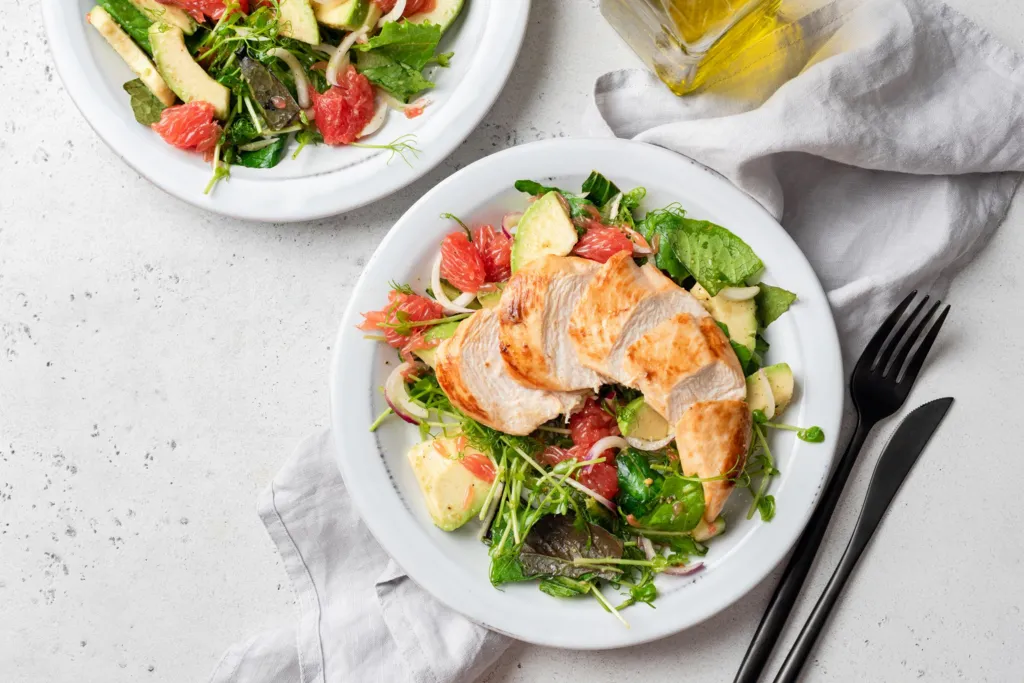
Following practical heatwave nutrition tips can help people stay comfortable and reduce the risk of dehydration when temperatures climb. During prolonged periods of hot weather, many people naturally lose their appetite, while others find it difficult to prepare meals in a warm kitchen. Health specialists say the goal is not to eat less, but to choose foods that provide hydration, essential nutrients, and steady energy without placing unnecessary stress on the body.
Extreme heat increases fluid loss through perspiration, particularly for older adults, children, outdoor workers, athletes, and people with chronic medical conditions. Eating lighter meals throughout the day while maintaining adequate hydration can support normal body function and improve overall comfort.
Heatwave Nutrition Tips Focus on Hydration and Balanced Meals
Water remains the body’s primary defense against dehydration, but fluids are only part of the equation. Many fruits and vegetables naturally contain large amounts of water while also supplying vitamins, minerals, and dietary fiber.
General recommendations for healthy hydration are available through CDC Heat & Health, which advises increasing fluid intake during periods of prolonged heat exposure and recognizing the warning signs of heat-related illness.
Watermelon, cucumbers, tomatoes, oranges, strawberries, lettuce, and celery are among the foods with the highest water content. Combining these ingredients into salads, cold soups, or fruit bowls allows people to increase fluid intake without relying exclusively on beverages.
Protein remains an important part of a balanced diet even during hot weather. Instead of heavy meals, nutrition professionals often recommend lighter options such as yogurt, cottage cheese, legumes, grilled fish, tofu, eggs, or chilled bean salads that are easier to prepare and digest.
Smart Food Choices May Reduce Heat Stress Throughout the Day
Meal timing can also influence comfort during periods of extreme temperatures. Larger meals generate more metabolic heat as the body digests food, making many people feel warmer after eating.
Public health guidance from NHS Live Well encourages balanced eating patterns alongside regular hydration, particularly during warmer months.
Preparing meals early in the morning or later in the evening may reduce exposure to kitchen heat. Appliances that generate less ambient heat than conventional ovens, including microwaves, pressure cookers, or countertop cooking devices, can also make meal preparation more comfortable.
Limiting foods that are particularly high in sodium, added sugars, or saturated fats may also help maintain better overall hydration and cardiovascular health during heatwaves, especially when combined with regular water intake.
Healthy Hydration Extends Beyond Drinking Water Alone
Hydration involves replacing both fluids and electrolytes lost through perspiration. While water should remain the primary beverage for most people, milk, unsweetened beverages, and foods naturally rich in potassium and magnesium can also contribute to maintaining normal hydration.
Nutrition guidance published by Academy of Nutrition and Dietetics highlights the importance of combining healthy eating with adequate fluid intake to support normal body functions throughout the year.
Individuals who spend extended periods outdoors or engage in strenuous physical activity should pay particular attention to hydration before, during, and after exercise. Monitoring urine color, recognizing early signs of dehydration, and taking regular breaks in shaded or air-conditioned environments are practical strategies recommended by many health professionals.
Additional heat safety recommendations are available through Ready.govHeat Safety, where emergency preparedness guidance emphasizes hydration, cooling measures, and protecting vulnerable populations during extreme weather events.