
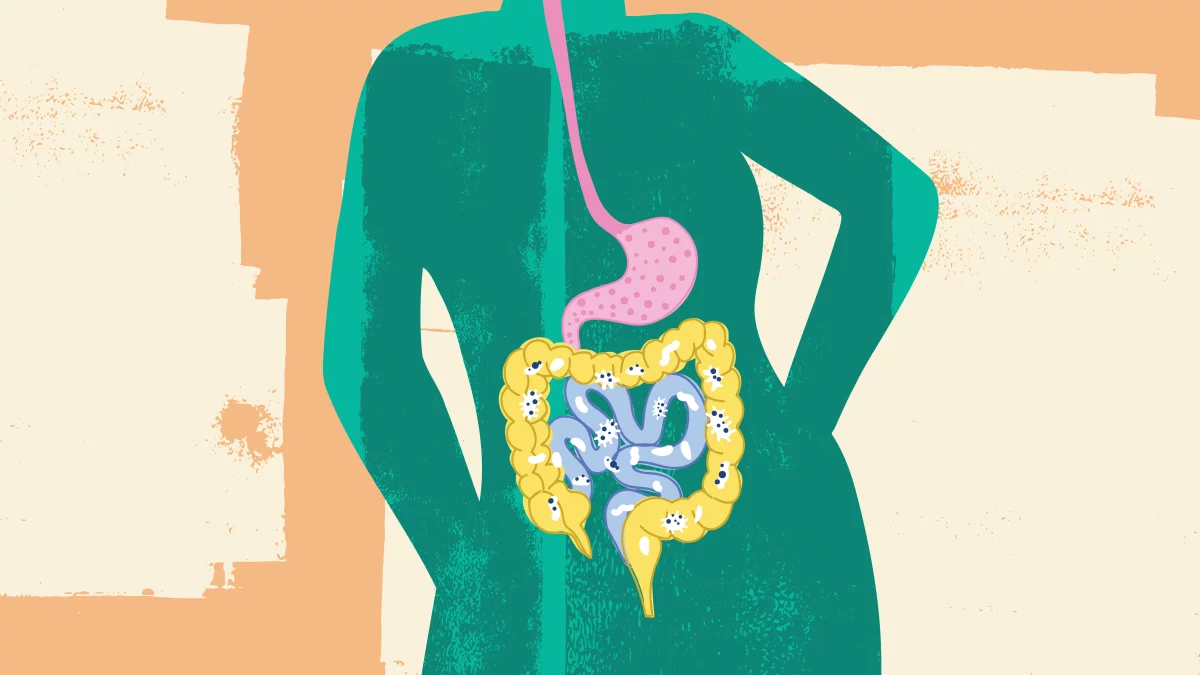
Gut microbiome health has become one of the most discussed topics in modern wellness. Social media feeds, supplement advertisements, and personalized testing services often suggest that the bacteria living inside the digestive tract hold the secret to better energy, stronger immunity, improved mood, and even longer life. While researchers agree that the gut microbiome plays a critical role in human health, they also warn that many popular claims are moving faster than the science itself.
The human digestive tract hosts trillions of microorganisms that influence far more than digestion. Scientists continue to investigate how these microbial communities interact with the immune system, metabolism, inflammation, and brain function. As interest grows, experts say it is important to separate evidence-based findings from marketing hype.
Current research into microbial ecosystems and human health continues through institutions such as National Institutes of Health, where scientists are exploring how gut microorganisms influence disease prevention and overall wellness.
Gut Microbiome Health Is More Complex Than Most People Realize
One of the biggest challenges in microbiome science is defining what a healthy gut actually looks like. Unlike blood pressure or cholesterol levels, there is no universally accepted benchmark that can accurately determine whether a person’s microbiome is healthy.
Researchers have discovered enormous variation between individuals. Factors such as geography, genetics, diet, lifestyle, age, medication use, and environmental exposure can all influence microbial composition. Two healthy people may have very different microbiomes while experiencing similar levels of wellness.
Scientists increasingly focus not only on which microorganisms are present but also on what they are doing. Certain bacterial communities help break down dietary fiber, produce beneficial compounds, and support the intestinal barrier. Others may become problematic when microbial balance is disrupted.
Large-scale microbiome initiatives continue to analyze these relationships through programs such as Human Microbiome Project, which has helped expand understanding of microbial diversity within the human body.
Experts caution against simplistic labels such as “good bacteria” and “bad bacteria.” The reality is often far more complicated, involving entire microbial ecosystems working together rather than isolated species acting alone.
Diet and Lifestyle Remain the Strongest Tools for Gut Microbiome Health
Despite the growing market of supplements and testing services, researchers consistently point to diet and lifestyle as the most effective ways to support gut microbiome health.
Fiber remains one of the most important nutrients for microbial diversity. Fruits, vegetables, legumes, nuts, seeds, and whole grains provide fuel for bacteria that produce beneficial compounds known as short-chain fatty acids. These compounds help maintain the integrity of the intestinal lining and contribute to healthy digestive function.
Diverse food choices appear to matter as much as total fiber intake. Different plants contain different fibers and plant compounds, feeding different groups of microorganisms. A varied diet encourages a broader microbial ecosystem.
Interest has also grown around fermented foods. Products such as yogurt, kefir, kimchi, sauerkraut, and fermented vegetables contain live microorganisms and fermentation-derived compounds that may support microbial diversity and immune regulation.
Nutritional recommendations and digestive health guidance continue to be reviewed by organizations including Academy of Nutrition and Dietetics, which emphasizes balanced eating patterns rich in whole foods.
Lifestyle factors matter as well. Sleep quality, physical activity, stress management, and alcohol consumption all influence the gut environment. Research increasingly suggests that the health of the microbiome reflects broader patterns of physical and mental well-being.
Why Experts Urge Caution About Microbiome Tests and Probiotics
The popularity of consumer microbiome testing has created a rapidly expanding industry. Many companies offer detailed reports based on stool samples and promise insights into digestive health, metabolism, and disease risk.
Researchers remain skeptical about the practical value of many of these services. Because scientists have not established a single definition of an ideal microbiome, interpreting test results remains difficult. Different laboratories may analyze the same sample and produce different conclusions.
Probiotics face similar challenges. While certain probiotic strains have demonstrated benefits in specific situations, experts stress that not all probiotics perform the same function. Effectiveness depends on the strain, dosage, health condition, and individual characteristics of the person taking them.
Microbiome-related medical research and evidence reviews continue through organizations such as World Health Organization, which monitors developments in public health and emerging scientific fields.
Scientists generally agree that there is no miracle supplement capable of instantly repairing or optimizing the microbiome. Most evidence still points toward consistent habits rather than quick fixes. Eating a diverse diet rich in fiber, incorporating fermented foods when appropriate, staying physically active, sleeping well, and managing stress remain the most reliable strategies for supporting gut microbiome health and long-term digestive wellness.