The France first Ebola case has prompted an immediate public health response after French authorities confirmed that a doctor who recently returned from a humanitarian mission in the Democratic Republic of the Congo (DR Congo) tested positive for the virus. Officials said the patient was transferred without delay to a specialized isolation unit and remains in stable condition while health teams work to identify anyone who may have been exposed.
The confirmation marks the first recorded Ebola infection diagnosed in France during the current outbreak and one of the few cases detected in Europe. Health officials emphasized that the virus has not spread within the country and continue to describe the overall risk to the general population as very low because Ebola is transmitted through direct contact with the bodily fluids of an infected person rather than through the air.
France First Ebola Case Triggers Contact Tracing and Hospital Isolation
French health authorities activated emergency infectious disease protocols as soon as laboratory testing confirmed the diagnosis. The patient was admitted to a high-security medical facility equipped to manage highly contagious diseases, while epidemiologists began tracing recent contacts to reduce the possibility of secondary infections.
France has also strengthened surveillance for humanitarian workers, healthcare professionals and other individuals returning from areas affected by the current Ebola outbreak. Officials indicated that a dedicated monitoring system had already been established for aid personnel arriving from eastern DR Congo.
Information published by the https://www.who.int/“>World Health Organization continues to indicate that the global risk associated with the current outbreak remains low despite the growing number of confirmed infections in Central Africa. International health authorities have stressed that rapid isolation, laboratory confirmation and contact tracing remain the most effective tools for preventing further transmission.
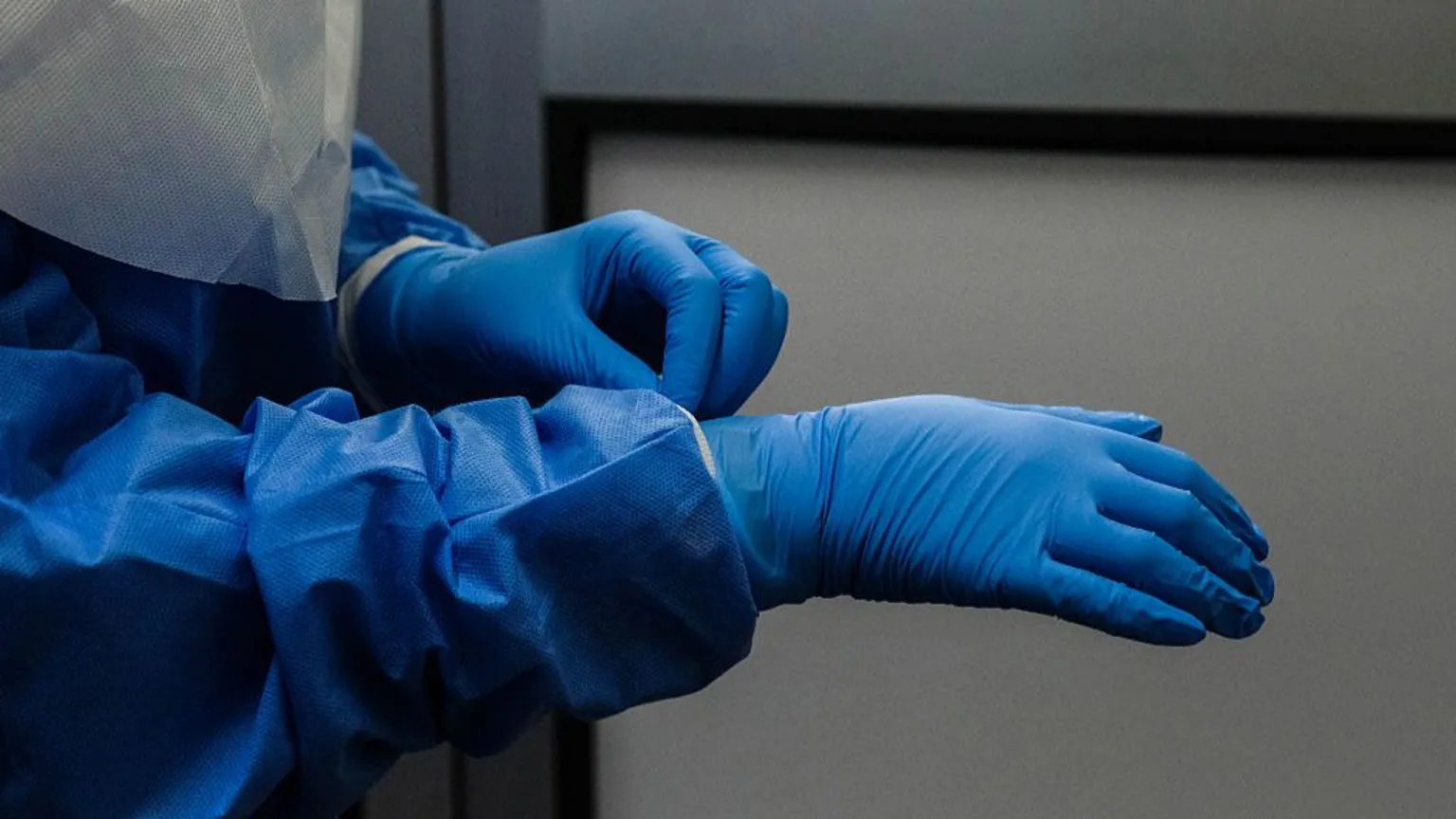
Healthcare workers continue to face the greatest occupational risk because they frequently care for infected patients during the most contagious stages of the disease. Protective equipment, strict infection-control procedures and early diagnosis remain essential components of outbreak response.
Ebola Outbreak in DR Congo Continues to Expand
The France first Ebola case comes as the outbreak in DR Congo continues to grow. Hundreds of deaths and more than one thousand confirmed infections have already been reported, with transmission concentrated largely in the eastern provinces of Ituri, North Kivu and South Kivu.
Health authorities have identified Ituri as the epicenter of the outbreak, where the majority of confirmed infections have occurred. Medical teams continue to investigate new suspected cases while attempting to interrupt transmission chains through testing, isolation and community outreach.
The virus responsible for the current emergency belongs to the Bundibugyo species of Ebola virus, a strain for which no licensed vaccine is currently available. That distinction has complicated containment efforts compared with previous outbreaks involving other Ebola species for which vaccines have been deployed.
Current epidemiological updates published by the <a href=”https://africacdc.org/“>Africa Centres for Disease Control and Prevention</a> indicate that the outbreak remains one of the most significant infectious disease emergencies currently affecting the African continent.
Neighboring Uganda has also reported confirmed Ebola infections linked to the regional outbreak, increasing concern that cross-border movement could complicate containment efforts despite strengthened surveillance measures.
Conflict and Humanitarian Challenges Complicate Ebola Response
Containing the outbreak has become increasingly difficult because many affected communities are located in areas experiencing armed conflict and population displacement. Humanitarian organizations have warned that insecurity limits access to vulnerable populations, delays medical intervention and complicates contact tracing.
Large sections of North Kivu and South Kivu remain affected by ongoing violence involving armed groups, forcing some healthcare teams to suspend operations temporarily or relocate staff for security reasons. These disruptions can delay the identification of new cases and slow vaccination research, laboratory testing and public health education campaigns.
Medical experts continue to encourage early reporting of symptoms such as fever, severe weakness, vomiting, diarrhea and unexplained bleeding, all of which require immediate clinical evaluation. Additional information about Ebola virus disease and recommended prevention measures is available through the <a href=”https://www.cdc.gov/ebola/“>Centersfor Disease Control and Prevention</a>.
International response teams continue coordinating laboratory support, surveillance and emergency medical assistance while monitoring the evolving situation across Central Africa. Humanitarian operations remain active despite logistical and security obstacles, with technical guidance also supported by the <a href=”https://www.unicef.org/“>UnitedNations Children’s Fund (UNICEF)</a> as health agencies seek to strengthen community awareness and reduce further transmission.