
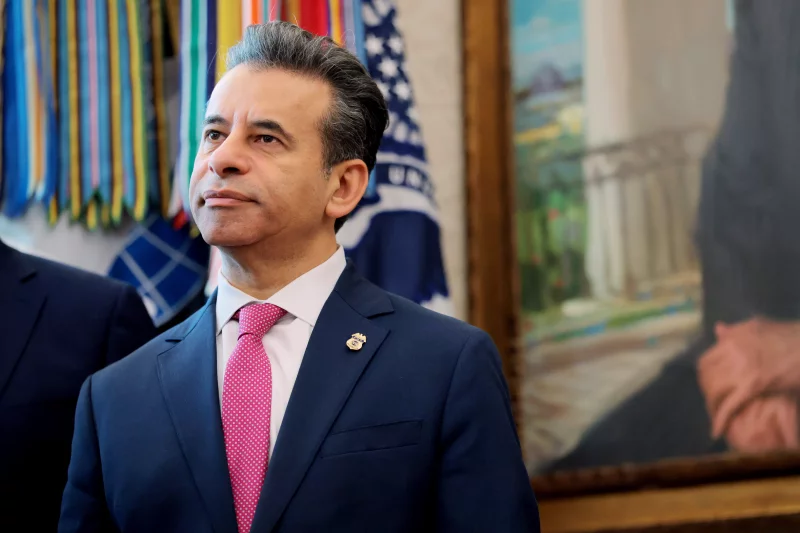
Dr. Marty Makary stepped down as commissioner of the U.S. Food and Drug Administration after a contentious 13-month period. This period exposed deep divisions over public health policy, pharmaceutical regulation, and political influence inside one of America’s most powerful federal agencies.
The resignation marks another major shakeup within the federal health system during President Donald Trump’s second administration. Makary’s departure follows months of growing criticism from multiple sides. These included conservative health activists, pharmaceutical industry leaders, and traditional public health advocates who disagreed with different aspects of his leadership.
President Trump publicly praised Makary following the resignation announcement. He described him as a respected physician who had accomplished significant work during his time leading the agency. Trump also confirmed that Kyle Diamantas, previously deputy commissioner for food policy, would temporarily oversee the agency. At the same time, the administration considers long-term leadership options.
The change comes at a time when the FDA continues facing major decisions involving vaccines, drug approvals, e-cigarette regulation, and pharmaceutical oversight.
Political Pressure Intensified During Makary’s Tenure
Makary entered the FDA after years as a surgeon and health policy researcher at Johns Hopkins University. There, he became nationally known for criticizing aspects of the federal government’s COVID-19 response and vaccine policies during the pandemic.
His appointment was initially welcomed by many conservatives who expected significant changes inside the FDA. However, those expectations quickly collided with the realities of managing a complex regulatory agency. The FDA is responsible for overseeing medicines, vaccines, food safety, and medical devices.
One of the most controversial moments during Makary’s leadership involved updated mRNA COVID-19 vaccines. Members of the Make America Healthy Again movement criticized the agency after it approved revised vaccines. This came despite pressure from activists who opposed broader vaccine expansion.
At the same time, abortion opponents expressed frustration after the FDA approved an additional generic version of mifepristone without completing a broader safety review many conservatives had demanded. The decision intensified criticism from groups already skeptical of the agency’s regulatory direction.
Makary also reportedly faced mounting pressure connected to electronic cigarette regulation. According to federal health officials familiar with internal discussions, disagreements surrounding flavored vaping products became one of the final sources of tension before his resignation.
The debate over e-cigarette authorization has become increasingly important for public health agencies. This is because regulators must balance concerns over youth nicotine use against arguments that vaping products may help adult smokers transition away from traditional cigarettes. Agencies including the Food and Drug Administration continue facing legal and political scrutiny over how those products are evaluated and approved.
Regulatory Decisions Sparked Industry and Public Backlash
Makary’s leadership style frequently drew criticism for unpredictability in the regulatory process. Pharmaceutical companies, investors, and biotechnology firms closely monitor FDA consistency. This is because approval decisions can influence billions of dollars in research investments and commercial planning.
Under Makary’s leadership, the FDA promoted efforts to streamline clinical trial requirements for some treatments. He publicly argued that reducing unnecessary bureaucracy could accelerate innovation and help bring medicines to patients more quickly.
However, critics inside the pharmaceutical industry argued that the agency sometimes delivered contradictory signals. Several companies seeking approval for drugs and vaccines were unexpectedly asked to provide additional studies. This occurred even while agency leadership advocated for faster pathways.
One particularly high-profile dispute involved Moderna’s mRNA influenza vaccine application. The FDA initially rejected the submission over questions involving the study’s control arm before later reversing course. The agency accepted the application after additional review. The reversal created uncertainty among pharmaceutical executives concerned about the predictability of the federal approval process.
Rare disease advocacy organizations also voiced frustration after several biologic and experimental treatment applications encountered delays or denials. Some patient groups warned that inconsistent regulatory standards could slow access to potentially life-saving therapies.
Meanwhile, policy debates intensified regarding hormone replacement therapy regulation. The FDA removed longstanding warning labels on certain hormone treatments without convening a traditional advisory committee meeting. This decision sparked criticism among some medical experts who believed the agency bypassed established review procedures.
Health policy researchers at institutions including the Johns Hopkins Medicine and the broader scientific community continue debating how much flexibility federal regulators should have. They disagree on balancing innovation, safety, and political pressure.
Leadership Transition Raises Questions About FDA Direction
Makary’s resignation arrives during a period of broader restructuring across multiple federal agencies. Earlier workforce reductions connected to government efficiency initiatives left hundreds of positions vacant inside the FDA. This increased operational strain on remaining employees.
The agency remains responsible for regulating products affecting nearly every American household, including prescription drugs, vaccines, food manufacturing, and medical technologies. Leadership instability therefore carries significant implications for both public health and financial markets.
Observers say the next FDA commissioner will inherit a deeply polarized environment where almost every major health decision faces intense political scrutiny. Questions surrounding vaccine oversight, reproductive health policy, artificial intelligence in medicine, and pharmaceutical transparency are expected to dominate future debates.
The FDA also continues working closely with agencies such as the Centers for Disease Control and Prevention and the National Institutes of Health on public health coordination, disease prevention strategies, and biomedical research initiatives.
Inside the pharmaceutical industry, executives are now watching closely for signs about whether the administration intends to pursue a more traditional regulatory approach or continue implementing disruptive reforms. Analysts believe future leadership decisions could influence everything from biotech investment to international pharmaceutical competition.
Makary’s departure leaves behind an agency still navigating the long-term political and scientific aftershocks of the pandemic era. The agency is also facing growing pressure to modernize its approval systems and rebuild public trust.