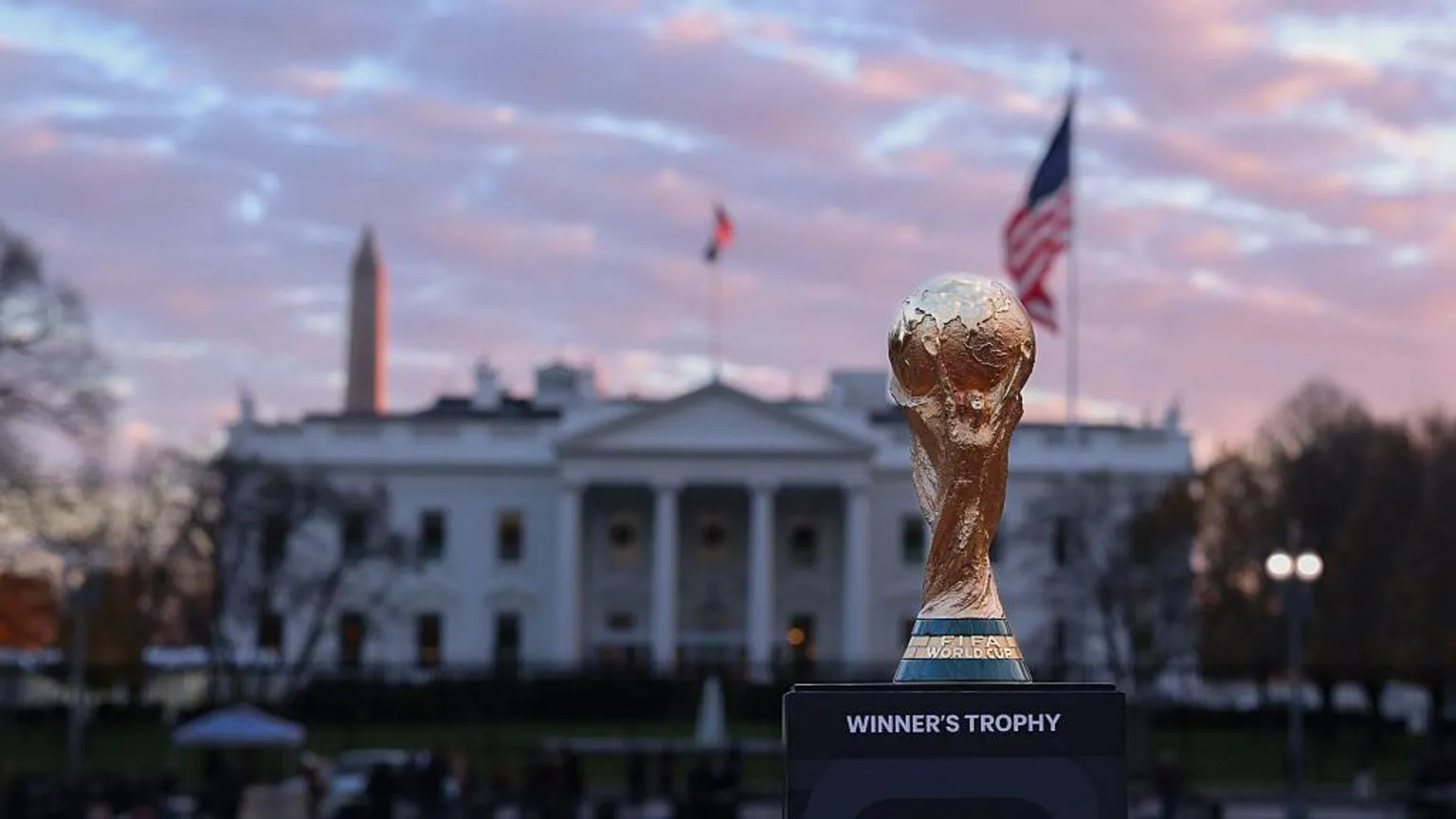
As countdown clocks for the FIFA World Cup appear across major American cities, hotel owners in several host destinations say the anticipated tourism boom has yet to fully materialize. Streets in cities such as New York, Houston, Miami and Kansas City are filled with tournament branding, football-themed events and merchandise displays. Yet many hospitality operators are still waiting for reservations to match the excitement surrounding the competition.
The gap between expectations and actual demand has become a growing concern for businesses that invested heavily in preparation for the global sporting event. Many expected the World Cup to deliver record occupancy rates and months of fully booked rooms. Instead, hotel managers say reservations have been arriving more slowly than forecast. Even as millions of fans prepare to travel across North America for the tournament, bookings remain slow.
Industry executives believe several factors are affecting travel demand, including high ticket prices, global economic uncertainty, rising travel expenses and stricter immigration discussions in the United States. While organizers continue to project strong attendance figures, some hospitality groups say the booking pace currently resembles a regular summer season. This is rather than one of the world’s largest sporting events.
Hotels in Host Cities Report Lower Demand
Several hotel operators located near stadiums and fan zones say occupancy levels remain below projections despite the tournament drawing closer. In Houston, boutique hotel owners expected a wave of international supporters months before kickoff. Instead, many properties still have large numbers of available rooms during dates that were once expected to sell out quickly.
The hospitality sector had been preparing for years after the United States secured hosting rights alongside Canada and Mexico. Many businesses upgraded facilities, hired additional staff and planned football-themed experiences designed to attract international visitors. According to the American Hotel & Lodging Association, numerous properties in host cities are currently seeing booking levels below seasonal expectations.
Hotel managers also point to uncertainty among travelers who may still be waiting for finalized match schedules, visa approvals or confirmation that their national teams will advance deep into the tournament. Others argue that travel budgets have become tighter due to higher transportation costs. This is in addition to broader economic pressures affecting consumers globally.
Some independent hotel owners say they expected demand similar to other mega-events that previously transformed local tourism markets. Comparisons have even been made to major concert tours and championship sporting events that created immediate sellout conditions in cities across the United States. Instead, reservation growth has been gradual. As a result, operators remain cautiously optimistic rather than fully confident.
Ticket Prices and Travel Costs Affect Fan Plans
One of the largest concerns repeatedly mentioned by traveling supporters is the price of attending matches. Premium seats for marquee games have reached extremely high levels. Meanwhile, resale markets have pushed some packages even further beyond the budgets of average football fans. According to information available through FIFA, ticket demand remains exceptionally strong worldwide, but affordability has become a major talking point among supporters planning trips.
Fans traveling from Europe and Latin America say accommodation expenses, airline tickets and local transportation costs have all increased significantly compared with previous tournaments. For many families, attending multiple matches in different cities could require spending several thousand dollars. This is before accounting for food or entertainment.
Scottish supporters preparing to follow their national team across the United States have publicly criticized what they describe as inflated pricing throughout the tournament ecosystem. Similar concerns have emerged from supporters in South America and Africa, where currency differences make attendance even more expensive.
At the same time, alternative lodging platforms appear to be benefiting from travelers seeking cheaper options. Data from Airbnb suggests private rentals and short-term stays are attracting strong interest from fans hoping to reduce accommodation costs during the competition. Industry analysts believe many younger travelers are choosing shared apartments and group rentals instead of traditional hotels.
Despite the slower-than-expected booking momentum, tourism officials still expect host cities to experience major economic activity once the tournament begins. Restaurants, bars, transportation services and retail businesses are preparing for heavy crowds as international supporters start arriving in larger numbers.
Businesses Continue Preparing for Tournament Rush
Even with softer booking trends so far, hotels and local businesses continue investing heavily in World Cup-themed experiences. In Kansas City, Atlanta and Miami, hotels are organizing football watch parties, culinary festivals and cultural events intended to attract both international visitors and local residents.
Some operators believe reservations could increase dramatically once teams finalize their travel plans and fans gain confidence regarding logistics. Hospitality executives note that large sporting events often generate late booking surges. This is particularly when supporters decide to follow teams advancing into later rounds.
Local governments are also working to improve the visitor experience ahead of kickoff. The Department of Homeland Security recently coordinated visa-related adjustments connected to tournament travel, while federal agencies continue discussing transportation, security and airport operations tied to the event.
Tourism boards in host cities remain optimistic that the final weeks before the competition will bring stronger occupancy rates. Restaurants, entertainment venues and sports bars are already increasing staffing plans in anticipation of larger crowds arriving shortly before the opening match.
Many hotel owners insist that excitement around the World Cup remains genuine despite current booking challenges. Businesses continue decorating properties with football imagery, launching themed promotions and preparing multilingual services for guests expected from every continent. While reservations may not yet reflect the scale many predicted years ago, operators across the hospitality sector are still hoping the final approach to the tournament will transform anticipation into a significant tourism wave.