TSA Introduces Gold+ Initiative to Expand Private Sector Role in Airport Security
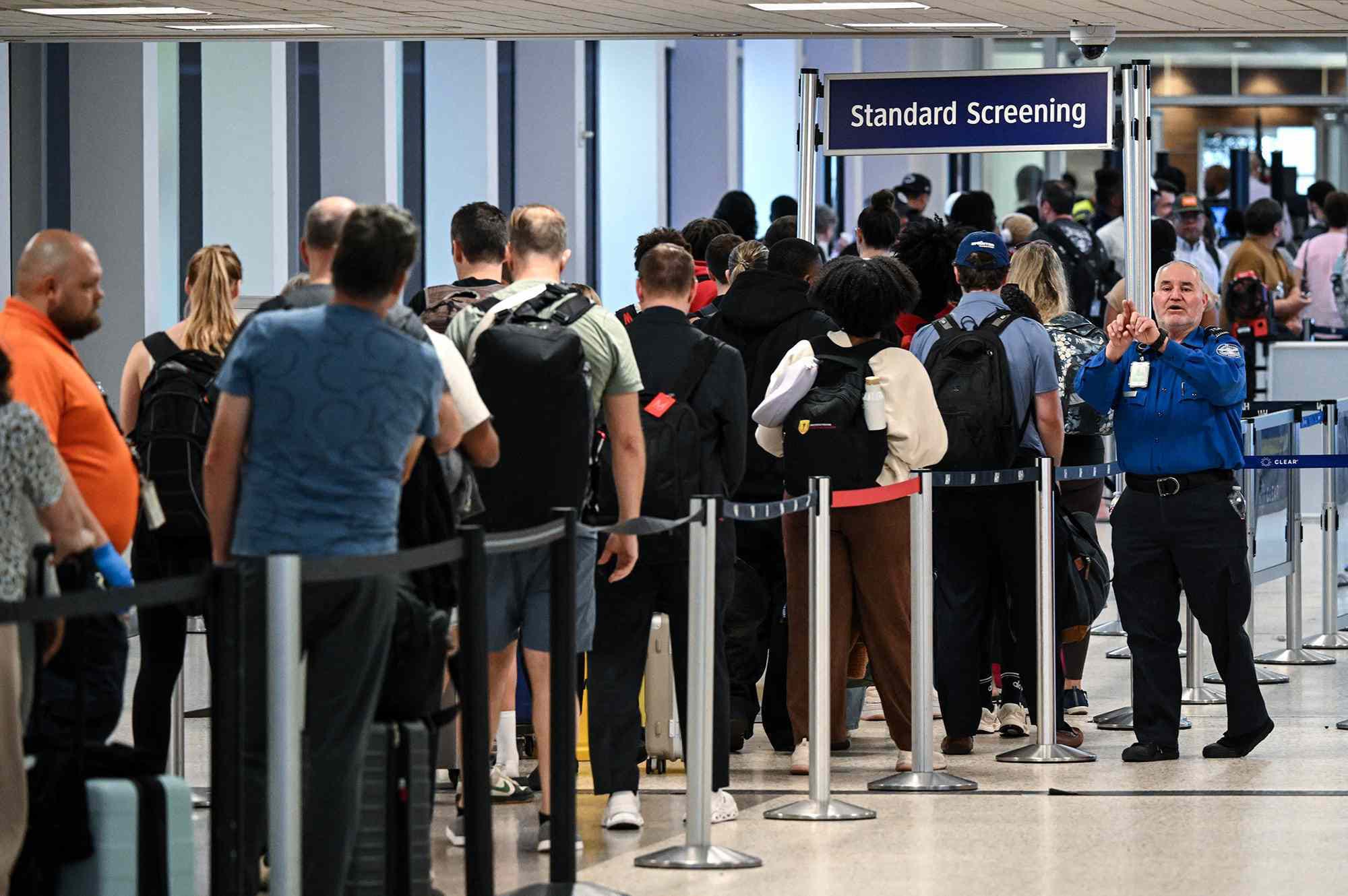
Transportation Security Administration is preparing to launch a major overhaul of airport security operations through a new initiative known as TSA Gold+, a program designed to increase private sector involvement in passenger screening at U.S. airports.
The proposal represents one of the most significant shifts in aviation security policy since the federal government assumed primary responsibility for airport screening following the September 11 terrorist attacks.
Currently, federal TSA officers conduct screening operations at the overwhelming majority of airports across the United States. Only a limited number of facilities participate in the existing Screening Partnership Program, or SPP, which allows private contractors to manage checkpoint operations under TSA oversight.
Under the proposed TSA Gold+ framework, private companies would gain a substantially larger operational role while airports would receive greater flexibility in customizing security procedures, staffing structures and technology systems.
The agency recently announced plans to host airport officials and security contractors at its headquarters in Springfield, Virginia, for an industry-focused event aimed at developing the next phase of the initiative.
According to TSA officials, Gold+ is intended to modernize airport screening systems while improving efficiency, reducing passenger wait times and addressing staffing shortages that became highly visible during previous government shutdowns and funding disputes.
Information regarding federal aviation security policies and airport screening standards can be found through Transportation Security Administration y Department of Homeland Security.
Private Contractors and AI Technology Could Reshape Airport Screening
One of the most notable aspects of TSA Gold+ is the agency’s plan to allow private contractors to manage screening equipment and introduce their own technological systems into airport operations.
Under the current Screening Partnership Program, TSA maintains control over equipment and supervises private screening contracts directly. The new model would reportedly give contractors more responsibility for deploying and maintaining advanced screening technologies, including artificial intelligence systems designed to improve passenger processing and threat detection.
Officials say the changes could help airports increase operational efficiency while delivering a more streamlined traveler experience. TSA representatives have also suggested that customized checkpoint systems could better adapt to the specific needs of individual airports rather than relying on uniform national procedures.
The agency argues that modern AI-powered systems may help accelerate baggage screening, identify prohibited items more effectively and reduce congestion during peak travel periods.
However, critics and aviation experts are already raising questions about how oversight, accountability and consistency would be maintained if screening operations become increasingly decentralized.
Airport security remains one of the most sensitive areas of federal transportation policy because screening failures can carry major national security consequences. Since the creation of TSA in 2001, supporters of federalized screening have argued that centralized oversight ensures uniform standards and rapid coordination across the aviation system.
At the same time, advocates for privatization claim that private contractors can often adapt faster to technological changes and operational challenges while reducing bureaucratic inefficiencies.
Additional aviation policy developments and transportation infrastructure initiatives continue to be monitored through Federal Aviation Administration y U.S. Travel Association.
Airport Security Privatization Debate Gains Momentum Nationwide
The TSA Gold+ initiative arrives amid growing political debate surrounding the future of airport security in the United States.
Calls for expanding private screening operations have gained support among several Republican lawmakers and conservative policy organizations that argue competition and private-sector innovation could improve efficiency and reduce government spending.
Some proposals connected to broader federal restructuring plans, including ideas promoted in Project 2025 policy discussions, have advocated for scaling back the federal government’s operational role in airport screening and shifting more responsibility to contractors and local airport authorities.
At the same time, interest in privatized screening is no longer limited strictly to conservative political circles. Some local leaders in major cities are also exploring alternatives to fully federalized systems in response to staffing shortages, operational delays and increasing passenger volumes.
Officials in Atlanta recently voted to examine participation in the existing Screening Partnership Program, signaling bipartisan curiosity about whether more flexible security structures could improve airport operations.
Several airports already operate under private screening arrangements, including facilities in San Francisco, Kansas Cityand Atlantic City, as well as smaller regional airports across multiple states.
The broader debate also reflects changing pressures facing the aviation industry. Passenger traffic continues increasing nationwide while airports simultaneously confront rising security demands, labor shortages and evolving technological threats.
Industry analysts believe TSA Gold+ could become a testing ground for future airport modernization efforts involving automation, biometric verification and AI-assisted threat detection systems.
Privacy advocates and labor organizations, however, are expected to closely scrutinize the initiative as additional details emerge. Concerns may include data security, worker training standards, contractor accountability and the long-term implications of reducing direct federal control over critical transportation infrastructure.
As TSA continues developing the program, aviation experts say the success or failure of Gold+ could significantly influence how airport security is managed in the United States for decades to come.