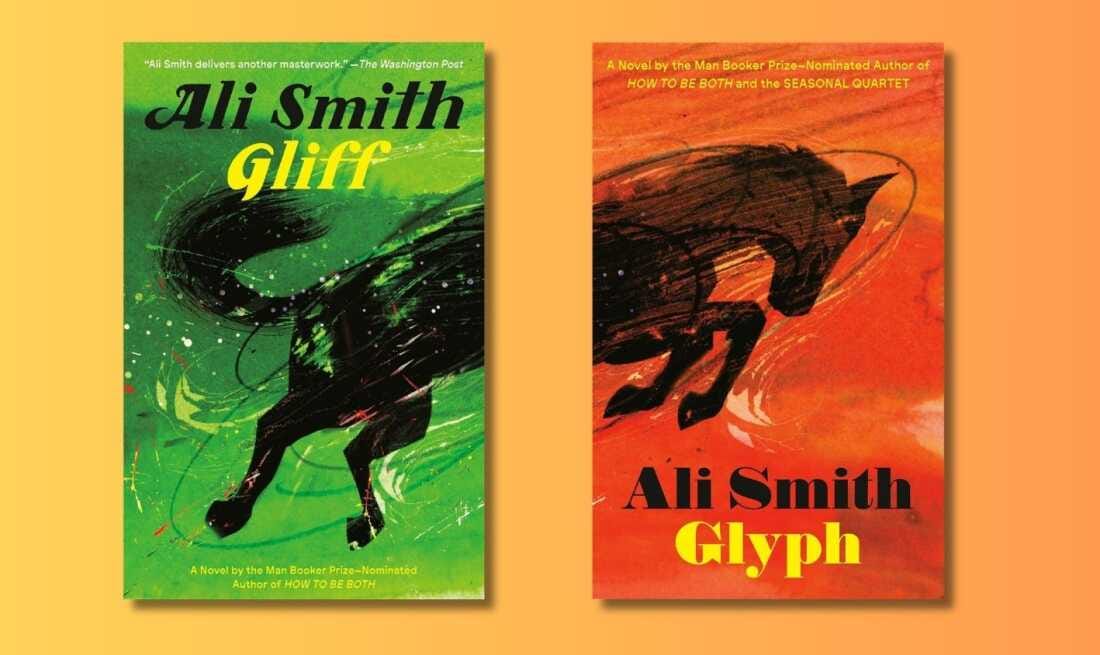
Ali Smith Expands Her Literary Universe With Glyph
Ali Smith has built an international literary reputation through novels that combine emotional depth, structural experimentation and philosophical reflection. Her newest work, Glyph, continues that tradition while revisiting themes introduced in its companion novel, Gliff.
Published as a thematic counterpart rather than a direct sequel, Glyph explores grief, memory, war and sisterhood through Smith’s characteristic blend of linguistic creativity and emotional intelligence. While Gliff presented a darker dystopian landscape shaped by authoritarian control and social exclusion, Glyph restores a more hopeful emotional balance, emphasizing compassion, human relationships and the restorative power of art.
The two books are closely linked through language and symbolism. The word “gliff,” drawn from Scottish vernacular, refers to a fleeting glimpse or sudden shock, while “glyph” suggests something engraved, marked or permanently preserved. Together, the titles establish a literary conversation between impermanence and endurance, one of the central philosophical tensions running throughout Smith’s recent work.
Readers familiar with Smith’s earlier novels will recognize many of the techniques that made her one of the most respected contemporary literary voices in the English-speaking world. Her fiction often merges experimental structure with accessible emotional storytelling, allowing complex political and existential ideas to remain deeply human.
Information about the author’s published works and literary background can be found through Penguin Random Housey Pan Macmillan.
Glyph Balances Personal Loss With Political and Social Anxiety
At the center of Glyph are two sisters confronting the emotional aftermath of their mother’s death while attempting to understand a world increasingly shaped by violence and instability. The novel weaves intimate family grief together with broader reflections on war and humanitarian suffering, including references to the ongoing conflict in Gaza.
Smith’s ability to connect private emotional experiences with global political realities has long distinguished her fiction. Rather than separating personal sorrow from collective crises, her novels often show how ordinary people absorb historical and political trauma into their daily lives.
In Gliff, Smith focused more heavily on authoritarianism and state oppression through the story of two children attempting to survive in a dystopian society where certain individuals become labeled “unverifiables” and stripped of basic rights. That novel carried echoes of surveillance states, censorship and social fragmentation.
Glyph, however, shifts toward healing and emotional endurance without abandoning the unsettling atmosphere created in the earlier book. The novel examines how memory, storytelling and family bonds can preserve dignity even amid violence and uncertainty.
Literary critics have frequently praised Smith for combining political awareness with stylistic playfulness. Her novels rarely follow conventional narrative structures, often experimenting with chronology, perspective and language itself. This approach became especially visible in works such as How to Be Both, which famously allowed readers to experience two interconnected narratives in different reading orders.
Her acclaimed Seasonal Quartet also demonstrated her ability to respond rapidly to contemporary events including Brexit, immigration debates and the COVID-19 pandemic while maintaining literary sophistication.
Additional information about contemporary literary criticism and international fiction releases can be explored through The Booker Prizes y The Paris Review.
Ali Smith Continues Redefining Modern Literary Fiction
Over the past decade, Ali Smith has become widely recognized as one of the most innovative voices in modern literature. Her writing consistently challenges traditional storytelling conventions while remaining emotionally resonant and politically engaged.
Critics often describe her work as intellectually ambitious yet emotionally accessible, a combination that allows readers to engage with difficult subjects without feeling overwhelmed by despair. Even when addressing authoritarianism, grief or war, Smith tends to preserve moments of warmth, humor and unexpected beauty.
Part of her literary appeal comes from her use of language itself as both a thematic and structural tool. Wordplay, etymology, fragmented dialogue and layered symbolism appear throughout her fiction, encouraging readers to reconsider how language shapes memory and perception.
The relationship between Gliff y Glyph further highlights Smith’s fascination with duality and mirrored narratives. One novel leans heavily into fear and instability, while the other emphasizes continuity, resilience and emotional restoration. Together, they form a broader meditation on what remains permanent in societies constantly shaped by political upheaval and human loss.
Thematically, Glyph also reflects growing literary engagement with global instability and humanitarian crises. Many contemporary authors are increasingly exploring how wars, displacement and social polarization influence personal identity and family life. Smith approaches these issues not through direct political argument, but through intimate emotional storytelling that foregrounds empathy and human connection.
As readers continue discovering Glyph, the novel is expected to deepen conversations surrounding Ali Smith’s evolving literary legacy. Her ability to combine experimental narrative techniques with urgent contemporary themes continues positioning her among the most influential fiction writers of her generation.