Shipping Resumes but Uncertainty Persists
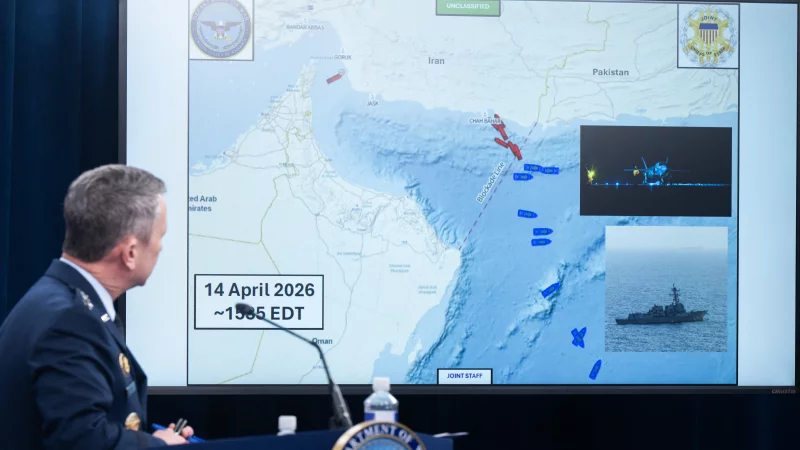
The reopening of the Strait of Hormuz marks a significant shift for global trade after weeks of disruption that left hundreds of vessels stranded. As one of the world’s most critical النفط transit routes, the passage handles a substantial portion of global energy shipments, making its closure a major concern for markets and governments alike.
Now that commercial traffic is gradually resuming, shipping operators are beginning to move vessels that had been delayed for weeks. Data tracked by organizations such as the <a href="/es/”https://www.marinetraffic.com/”/">MarineTraffic</a> platform shows a steady increase in vessel movement through the corridor, signaling a cautious return to normal operations.
However, the reopening does not eliminate the lingering uncertainty. Shipping companies remain wary of potential threats that could disrupt transit again. Concerns about hidden hazards, including underwater mines or damaged infrastructure, continue to influence operational decisions. Even with clearance efforts underway, the полной безопасность of the route cannot yet be guaranteed.
For global markets, the reopening provides immediate relief by easing supply bottlenecks, particularly in energy sectors. Yet the fragile nature of the ceasefire means that any escalation could once again interrupt this vital maritime artery.
Insurance and Security Concerns Intensify
The risks associated with navigating the Strait have placed renewed pressure on maritime insurers, who play a central role in determining whether ships can safely operate in high-risk zones. Companies involved in marine coverage, including members of the <a href="/es/”https://www.lloyds.com/”/">Lloyd’s</a> market, are closely monitoring developments as they reassess premiums and risk exposure.
Insurance costs for vessels passing through the region have risen sharply in recent weeks, reflecting the heightened threat environment. War-risk premiums, in particular, have become a key factor for shipowners deciding whether to proceed with transit or delay voyages.
Insurers must evaluate a range of uncertainties, from the احتمال presence of unexploded ordnance to the durability of current diplomatic agreements. Even a single incident could trigger significant financial losses, making risk assessment more complex than in typical commercial conditions.
Shipping companies are also implementing additional safety protocols, including adjusted маршруты, increased onboard security measures, and coordination with naval forces operating in the region. These precautions, while necessary, add operational costs and logistical challenges that may persist even as traffic resumes.
Global Trade Faces Ongoing Vulnerabilities
Despite the reopening, the Strait of Hormuz remains a focal point of geopolitical tension, with implications extending far beyond the region. Institutions such as the <a href="/es/”https://www.worldbank.org/”/">World Bank</a> highlight the strategic importance of uninterrupted maritime trade routes for global economic stability.
Any renewed disruption could have immediate consequences for oil prices, supply chains, and inflation worldwide. The الأحداث of recent weeks have underscored how quickly regional conflicts can ripple across international markets, affecting industries far removed from the الخليج.
Naval presence in the area continues to be a key عنصر in maintaining security. Forces coordinated through entities like the <a href="/es/”https://www.centcom.mil/”/">U.S. Central Command</a> are expected to play an ongoing role in monitoring traffic and deterring potential threats. Their operations aim to ensure freedom of navigation while balancing the risks of escalation.
For shipping operators, insurers, and policymakers, the current moment represents a delicate transition. While vessels are once again moving through one of the world’s most vital waterways, the combination of security concerns, geopolitical uncertainty, and economic stakes ensures that the Strait of Hormuz remains under intense scrutiny.