The Southern Poverty Law Center is confronting one of the most difficult periods in its more than five decades of existence, as legal scrutiny from the federal government collides with internal instability and a rapidly shifting political environment in the United States. Some of these challenges have become particularly acute for the SPLC under Trump administration policies and actions.
Founded in 1971 and long recognized for pursuing legal action against white supremacist organizations and extremist groups, the Alabama-based nonprofit has historically survived violent threats, intimidation campaigns and sustained political criticism. Yet the latest challenge facing the organization may prove unlike anything it has experienced before.
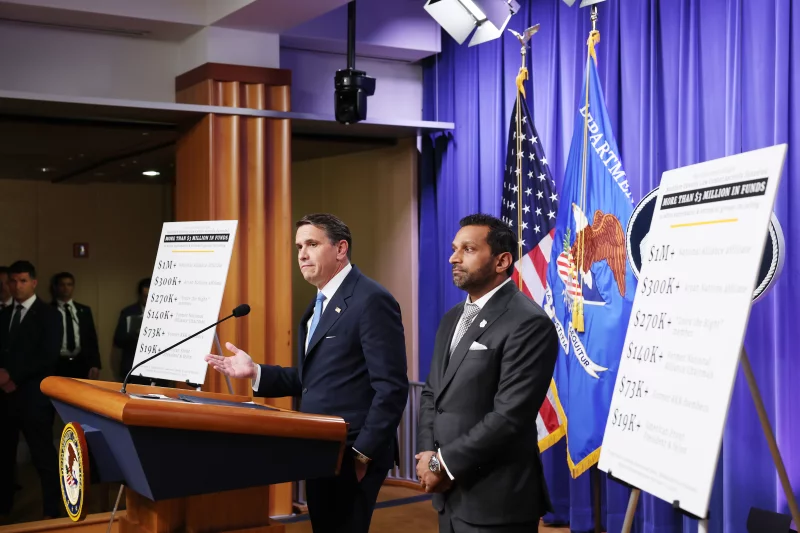
Federal prosecutors recently unveiled criminal fraud allegations against the civil rights institution, accusing the organization of misrepresenting financial activities connected to confidential informants and misleading donors regarding the nature of its anti-extremism work. The accusations have intensified political debate around the role of advocacy organizations and the increasingly polarized conversation surrounding extremism in America.
The SPLC has strongly denied all allegations, insisting that its mission remains focused on protecting civil rights, countering hate movements and defending democratic institutions during a period of growing political tension nationwide.
Legal Pressure Raises Stakes for the SPLC
The Justice Department’s indictment arrives during a politically charged period in Washington, where debates over extremism, civil liberties and domestic political violence have become central issues ahead of another contentious election cycle.
According to prosecutors, the organization allegedly obscured the purpose of certain financial accounts used in operations involving confidential informants. Authorities further claim that some donor funds were indirectly connected to activities involving extremist organizations rather than exclusively combating them.
The nonprofit rejected those accusations and described the case as politically motivated. Organization leaders argue that the investigation threatens decades of civil rights advocacy and could undermine efforts aimed at monitoring hate-based movements across the country.
The legal case is being closely watched by advocacy groups, legal analysts and civil rights organizations because it could reshape how nonprofits conduct investigations involving extremist networks. Questions are also emerging about transparency standards, donor accountability and the limits of undercover operations.
At the same time, political allies of President Donald Trump have increasingly criticized institutions they believe are ideologically biased. Several conservative commentators and lawmakers have accused the SPLC of unfairly labeling organizations and individuals as extremist threats over the years.
The broader debate has also intensified as federal agencies continue examining domestic security risks tied to extremist activity. Recent reports published by the Department of Homeland Security continue to identify politically motivated violence as a major national concern, even as critics argue that definitions of extremism have become politically selective.
Internal Turmoil Weakens Organizational Stability
While the federal investigation dominates headlines, former and current employees say the SPLC has spent years struggling with internal instability that weakened morale and slowed its operations.
The organization entered a major period of upheaval in 2019 after allegations involving workplace misconduct and racial discrimination led to the departure of co-founder Morris Dees. The controversy triggered resignations among senior leadership figures and forced the nonprofit to reevaluate its internal culture.
Employees later unionized, citing concerns over workplace equity, management practices and decision-making processes. Former staff members described an atmosphere of uncertainty that disrupted investigative projects and delayed publications that once defined the organization’s national reputation.
Several former researchers and journalists have argued that the nonprofit gradually shifted away from its aggressive investigative roots toward a more bureaucratic structure similar to large policy organizations in Washington. Critics inside the organization claimed that leadership became increasingly cautious at a time when political extremism was expanding into mainstream discourse.
In 2024, layoffs affecting dozens of employees deepened concerns among staff members. Teams dedicated to immigration-related extremism and anti-democratic movements reportedly faced significant cuts even as anti-immigrant rhetoric gained greater visibility in national politics.
The restructuring created fears among some employees that the organization was retreating from the confrontational legal and investigative work that originally built its reputation.
Meanwhile, the broader nonprofit sector has experienced mounting financial and political pressure. Organizations involved in civil rights advocacy, election protection and anti-extremism research have all faced growing scrutiny from lawmakers, activists and donors questioning their effectiveness and neutrality.
The debate over nonprofit accountability has also spread into discussions within the American Bar Association, where legal experts continue analyzing how advocacy groups balance activism, litigation and investigative practices while maintaining public trust.
Extremism Debate Moves Into Mainstream Politics
The political environment surrounding the SPLC has changed dramatically over the past decade. Ideas and narratives once largely confined to fringe groups have increasingly entered mainstream political conversations, creating new challenges for organizations built around monitoring extremist movements.
Former employees argue that many anti-extremism groups were unprepared for the speed at which certain ideologies migrated into national politics. Conspiracy theories, nationalist rhetoric and anti-government movements that were previously isolated online now regularly influence political campaigns, social media discourse and public demonstrations.
That shift has complicated the work of organizations attempting to define and monitor extremism. Some institutions have expanded their focus to include left-wing political violence, while others have faced criticism for allegedly failing to adapt to new political realities.
Analysts say the fragmentation of the anti-extremism landscape has weakened coordination among advocacy groups at a time when polarization continues to intensify across the United States.
At the same time, public distrust toward major institutions has grown sharply. Universities, media organizations, nonprofit groups and federal agencies increasingly find themselves accused of partisan bias from opposing sides of the political spectrum.
The SPLC’s critics argue that the organization became too politically aligned with progressive causes, while supporters maintain that the group remains essential in documenting hate-based violence and protecting marginalized communities.
As legal proceedings move forward, the organization’s future may depend not only on courtroom outcomes but also on whether it can rebuild internal stability and redefine its role in an era where political extremism has become deeply intertwined with mainstream public life.
The ongoing debate over domestic extremism also continues influencing broader conversations about democratic institutions, political accountability and the role of civil society organizations. Data tracked by the Federal Bureau of Investigation shows that domestic security threats remain a persistent concern for law enforcement agencies, even as disagreements grow over how those threats should be categorized and addressed.