A Policy Clash Over Glyphosate
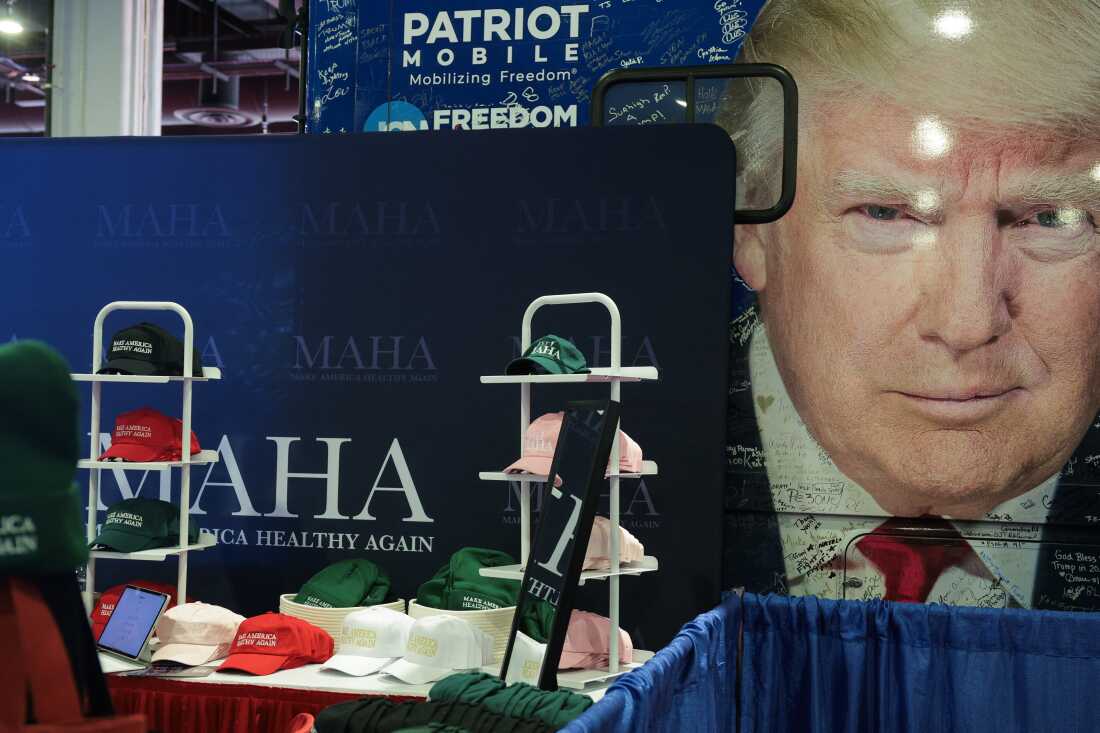
A political and policy divide is emerging within the Republican coalition as activists aligned with the “Make America Healthy Again” (MAHA) movement challenge the Trump administration’s stance on Glyphosate, the key ingredient in the weed killer Roundup.
Advocates like Kelly Ryerson have long argued that glyphosate poses serious health risks and should be eliminated from the U.S. food system. However, recent actions by Donald Trump’s administration—including efforts to boost domestic production and legal support for its manufacturer—have triggered backlash among MAHA supporters.
At the center of the controversy is Bayer, which produces Roundup in the United States. The administration backed Bayer in a case before the Supreme Court of the United States, a move critics say prioritizes industry over public health concerns.
Conflicting Priorities Within the Coalition
The dispute highlights deeper ideological tensions. The MAHA movement—composed of health advocates, wellness influencers, and anti-pesticide activists—generally supports stricter regulation of chemicals in food and agriculture. These goals often conflict with traditional Republican priorities such as deregulation and reduced federal oversight.
Public health experts like Jessica Knurick argue that reducing environmental toxins requires stronger regulatory frameworks, not fewer. Meanwhile, federal agencies such as the Environmental Protection Agency have maintained that glyphosate is safe when used as directed, underscoring the divide between activist concerns and regulatory assessments.
The scientific debate remains unsettled. The World Health Organization classified glyphosate in 2015 as “probably carcinogenic,” while U.S. regulators continue to dispute that conclusion. This divergence has fueled ongoing legal battles and public skepticism.
Farmers and Economic Pressures
The controversy also places farmers in a difficult position. Glyphosate remains one of the most widely used herbicides in modern agriculture, valued for its efficiency and cost-effectiveness.
Agricultural groups argue that removing or restricting glyphosate could significantly increase production costs and reduce crop yields. Transitioning to alternative methods—such as regenerative agriculture or emerging technologies—requires time, investment, and policy support that many small and midsize farms currently lack.
The debate comes amid broader economic pressures on farmers, including rising input costs and global market instability. For many, the issue is less about ideology and more about maintaining viable food production systems.
Political Fallout Ahead of Elections
The glyphosate dispute is now spilling into electoral politics. Frustration among MAHA supporters raises questions about the durability of their alliance with the Republican Party heading into upcoming midterm elections.
Figures like Robert F. Kennedy Jr., a key leader within the MAHA movement, had raised expectations for stricter action on environmental toxins. However, critics argue that policy outcomes have fallen short of those expectations.
At the same time, Democrats are seeking to capitalize on the divide by emphasizing stronger regulation of pesticides and food safety. Lawmakers including Cory Booker have taken positions against expanded legal protections for pesticide manufacturers, aligning more closely with MAHA concerns.
A Defining Test for MAHA’s Future
The glyphosate debate underscores a broader question: can a coalition built on shared concerns about health and food policy coexist with a political agenda centered on deregulation?
For MAHA advocates, the issue represents a test of whether their priorities will translate into policy action. For Republican leaders, it highlights the challenge of balancing industry interests, agricultural realities, and a shifting voter base.
As the legal case and policy discussions continue, the outcome could shape not only agricultural regulation but also the future of a political alliance that helped redefine the electorate in recent years.