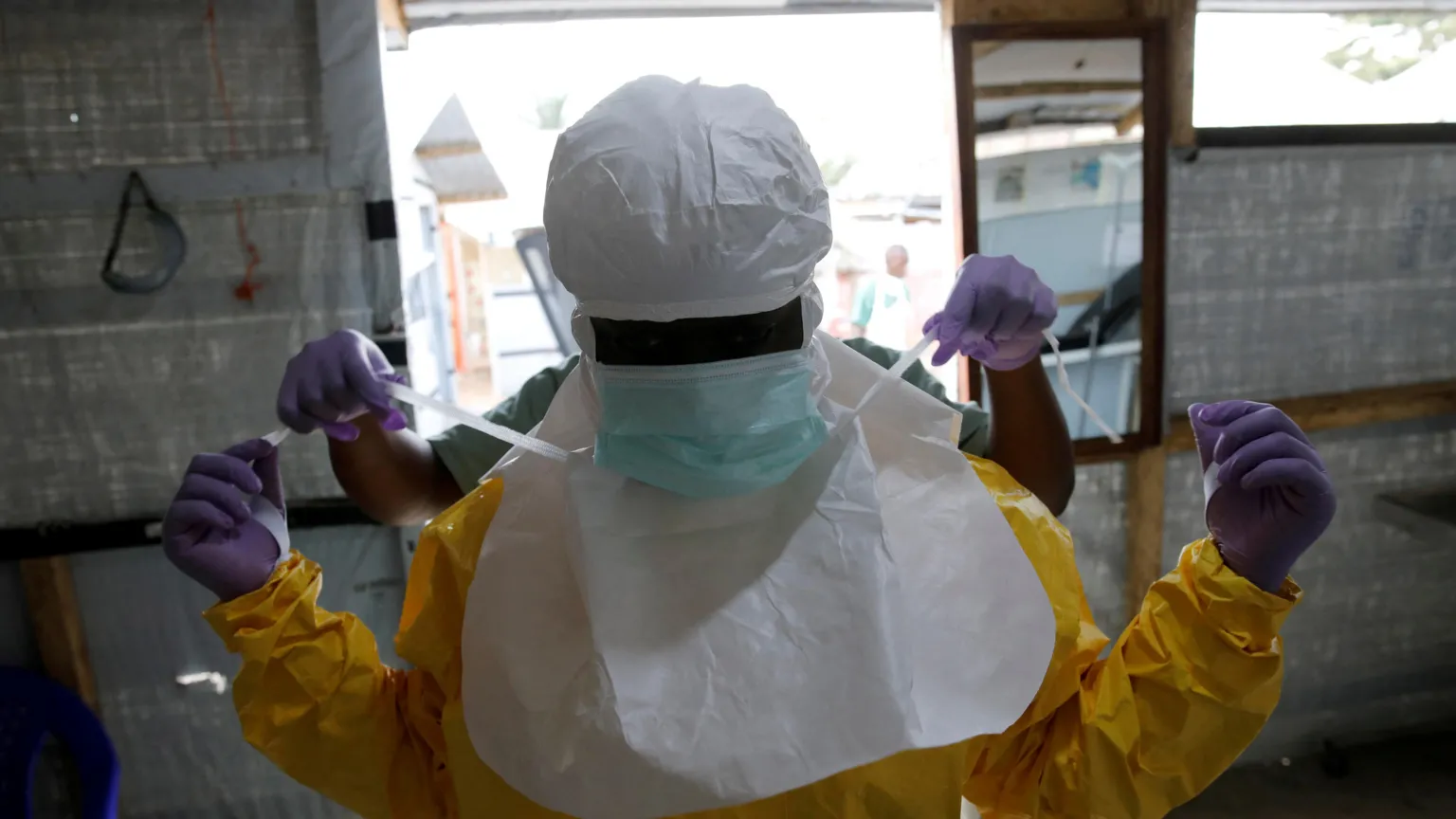
The World Health Organization has officially declared the Ebola outbreak in the Democratic Republic of Congo a public health emergency of international concern after the virus continued spreading across eastern regions of the country and into neighboring Uganda. Health authorities say the declaration reflects the growing risk of regional transmission, increasing mobility between affected areas and the possibility that the outbreak is far larger than current figures suggest.
Officials reported approximately 246 suspected infections and around 80 deaths connected to the outbreak in Ituri province, where several mining towns and densely populated urban centers have become focal points of concern. Although international agencies emphasized that the situation does not yet meet the threshold of a pandemic emergency, they warned that the virus is evolving rapidly in difficult conditions marked by insecurity, limited healthcare access and major population movement.
The outbreak involves the Bundibugyo strain of Ebola, a less common variant for which no approved vaccine or targeted treatment currently exists. Medical experts fear that the absence of specialized vaccines could complicate containment efforts and increase pressure on already fragile healthcare systems in the region.
Health Officials Warn of Regional Spread
According to World Health Organization officials, laboratory-confirmed cases have now appeared in multiple health zones, including Bunia, Mongwalu and Rwampara. Authorities also confirmed at least one infection in Kinshasa after a patient traveled from the outbreak zone in eastern Congo.
Uganda has also confirmed imported Ebola cases linked to travelers arriving from Congo. Health officials there announced that a Congolese citizen who later died had tested positive for the virus after entering the country. Additional contacts connected to the patient have been placed under monitoring and quarantine procedures.
Medical teams are particularly worried because several affected areas are located near important trade routes and border crossings. Regional movement between Congo, Uganda and South Sudan is frequent, increasing the risk that infected individuals could unknowingly carry the virus into neighboring communities.
The outbreak has additionally reached politically unstable territories where armed groups remain active. Insecurity has complicated the delivery of medical supplies, laboratory testing and patient tracing operations. The combination of conflict, overcrowded healthcare facilities and population displacement has created conditions that public health experts describe as highly challenging for disease containment.
Under emergency guidance, the WHO recommended immediate isolation of confirmed patients and enhanced cross-border surveillance. Governments in surrounding countries are also being urged to strengthen reporting systems and prepare emergency response centers capable of rapidly identifying new infections.
Bundibugyo Strain Raises New Challenges
The current outbreak differs from several previous Ebola crises because it is linked to the Bundibugyo virus strain rather than the more common Zaire strain. Researchers working with the Africa Centres for Disease Control and Prevention say this distinction is critical because existing Ebola vaccines were primarily designed to combat the Zaire variant.
Symptoms associated with the virus initially resemble severe flu-like illness, including fever, headaches, muscle pain and fatigue. As the disease progresses, patients can experience vomiting, diarrhea, organ complications and internal bleeding. The virus spreads through direct contact with bodily fluids such as blood, vomit or saliva from infected individuals.
Health agencies estimate that Bundibugyo Ebola outbreaks have historically carried fatality rates near 30%, although survival chances improve significantly with early medical intervention and supportive treatment. Experts also continue investigating whether current infection figures fully reflect the real scope of transmission across remote communities.
In response to the emergency declaration, the WHO has mobilized additional personnel and emergency funding to support local authorities. International partners are helping expand laboratory testing capacity, improve protective equipment supplies and strengthen contact tracing efforts.
The outbreak has renewed fears of another prolonged Ebola crisis similar to the devastating epidemic that struck eastern Congo between 2018 and 2020, killing nearly 2,300 people. Public health specialists warn that delays in identifying infections or interruptions caused by insecurity could allow the virus to spread into larger urban centers.
Congo Faces Another Major Public Health Crisis
The Democratic Republic of Congo has experienced more than a dozen Ebola outbreaks since the virus was first identified in 1976. However, experts say the latest emergency arrives at an especially difficult moment as the country continues facing armed violence, humanitarian displacement and major logistical challenges in its eastern provinces.
Officials from the United Nations Children’s Fund have warned that vulnerable communities in affected regions often lack adequate sanitation, healthcare infrastructure and reliable access to medical information. Those conditions can accelerate transmission and make outbreak control significantly harder.
Mining activity in towns such as Mongwalu has also become a concern because workers frequently move between remote camps and nearby urban centers. Health authorities believe that constant travel could contribute to undetected transmission chains across provincial and international borders.
At the same time, hospitals and clinics are increasing preventive measures after several healthcare workers were exposed to suspected cases. Emergency teams have begun expanding screening procedures at airports, border crossings and regional transportation hubs.
Regional coordination has become a central part of the response strategy. Officials from Congo, Uganda and neighboring countries are working alongside organizations including the Centers for Disease Control and Prevention to improve disease monitoring, laboratory support and emergency preparedness.
International health experts continue emphasizing that countries outside the affected region should avoid unnecessary travel bans or border closures, arguing that such measures can disrupt humanitarian operations and reduce transparency without effectively stopping transmission.