
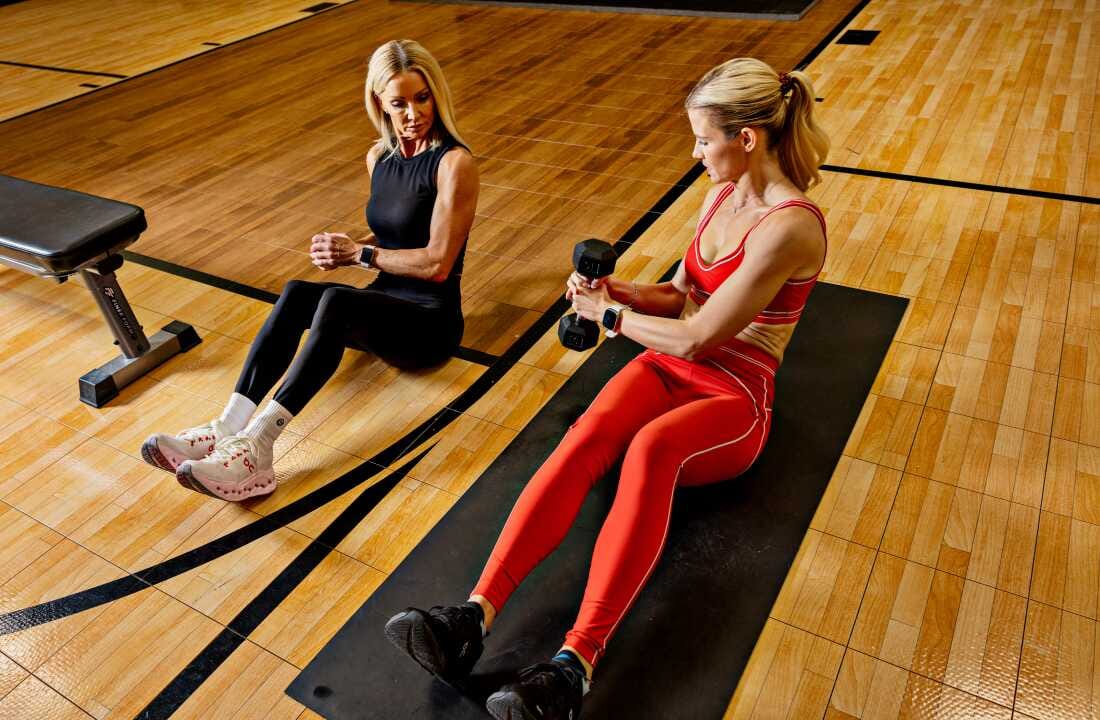
Elizabeth Smart is opening a new chapter in her life through competitive bodybuilding, a personal journey that she says has helped transform the way she views her body after years of trauma, public scrutiny and emotional recovery.
For decades, Smart has been recognized around the world for surviving one of the most shocking kidnapping cases in modern American history. Now, more than twenty years later, she is speaking publicly about how fitness, strength training and bodybuilding have helped her rebuild confidence and reclaim ownership over her body in ways she never expected.
Her first bodybuilding competition was filled with anxiety and unpredictability. Standing beneath intense stage lighting while wearing towering heels, heavy makeup and unfamiliar costume accessories, Smart says she felt completely outside her comfort zone. During one pose, a ring caught part of her hair extensions and accidentally ripped out a section of her hair in front of the audience.
Despite the embarrassment, she stayed on stage and completed the competition.
That moment, she says now, symbolized something much bigger than physical appearance. It represented resilience, persistence and the ability to remain present even when things felt overwhelming.
More stories about wellness and mental resilience can be explored through Psychology Today and Healthline.
From Kidnapping Survivor to Advocate and Author
In 2002, Smart was abducted at knifepoint from her family’s home in Utah at just 14 years old. Her disappearance became one of the most heavily covered missing child cases in the United States, with national television networks and newspapers following the search efforts for months.
She was eventually rescued alive after enduring months of captivity, psychological manipulation and repeated abuse.
Since then, Smart has become one of the country’s most recognized advocates for child safety, survivor support and prevention education. She has worked with organizations focused on missing children, abuse prevention and victim advocacy while also speaking publicly about trauma recovery and healing.
Her advocacy work expanded further after the creation of the Amber Alert system gained national momentum in the years following her rescue. Smart later became an author, motivational speaker and activist dedicated to helping survivors rebuild their lives after traumatic experiences.
Readers interested in her advocacy work can learn more through The Elizabeth Smart Foundation and National Center for Missing & Exploited Children.
In her recent book, Detours, Smart describes trauma as an unexpected path that permanently changes life’s direction. Rather than pretending painful experiences never happened, she explains that healing often involves learning how to continue forward despite emotional scars and setbacks.
The book explores survival, recovery and personal growth while emphasizing that healing is rarely linear or simple.
Bodybuilding Helped Elizabeth Smart Reconnect With Her Body
For Smart, bodybuilding became far more than a physical challenge.
She explains that for years after her rescue, she struggled with shame and emotional distance from her own body. Like many trauma survivors, she says she viewed her body through the lens of pain rather than strength.
Mental health professionals note that trauma survivors often disconnect emotionally from their bodies as a survival mechanism during abuse or extreme stress. Rebuilding a healthy relationship with the body can take years and may involve therapy, movement, exercise or mindfulness practices.
Smart says strength training gradually shifted her perspective. Instead of focusing on what her body had endured, she began focusing on what it was capable of doing.
Training sessions became opportunities to recognize endurance, discipline and progress. The physical demands of bodybuilding required consistency, patience and mental resilience, qualities she says ultimately helped her feel more connected to herself again.
Her participation in competitions also challenged deeply rooted insecurities about visibility and judgment. Standing on stage in front of strangers forced her to confront fears she had carried since childhood and during the years after her rescue.
Rather than seeking trophies or external validation, Smart says her goal became learning to appreciate and celebrate her body without shame.
Public Healing and Personal Growth Continue to Shape Her Story
Unlike many survivors, Smart’s healing process unfolded under intense public attention. By the time she returned home in 2003, millions of Americans already recognized her face and knew details about her case.
That visibility created enormous pressure during her teenage years and adulthood. Smart has previously spoken about feeling expected to represent the “perfect victim” while navigating her own emotional recovery privately.
Over time, however, she has used her public platform to discuss difficult conversations surrounding trauma, recovery, shame and resilience with honesty and openness.
Her bodybuilding journey now represents another evolution in that process.
The sport has allowed her to challenge herself physically while embracing confidence in a body she once associated primarily with pain and survival. Through competition, training and personal reflection, Smart says she has reached a stage in life where she no longer wants to carry shame about her appearance or her past experiences.
Instead, she wants to celebrate the strength that carried her through some of the darkest moments of her life and helped her continue moving forward.