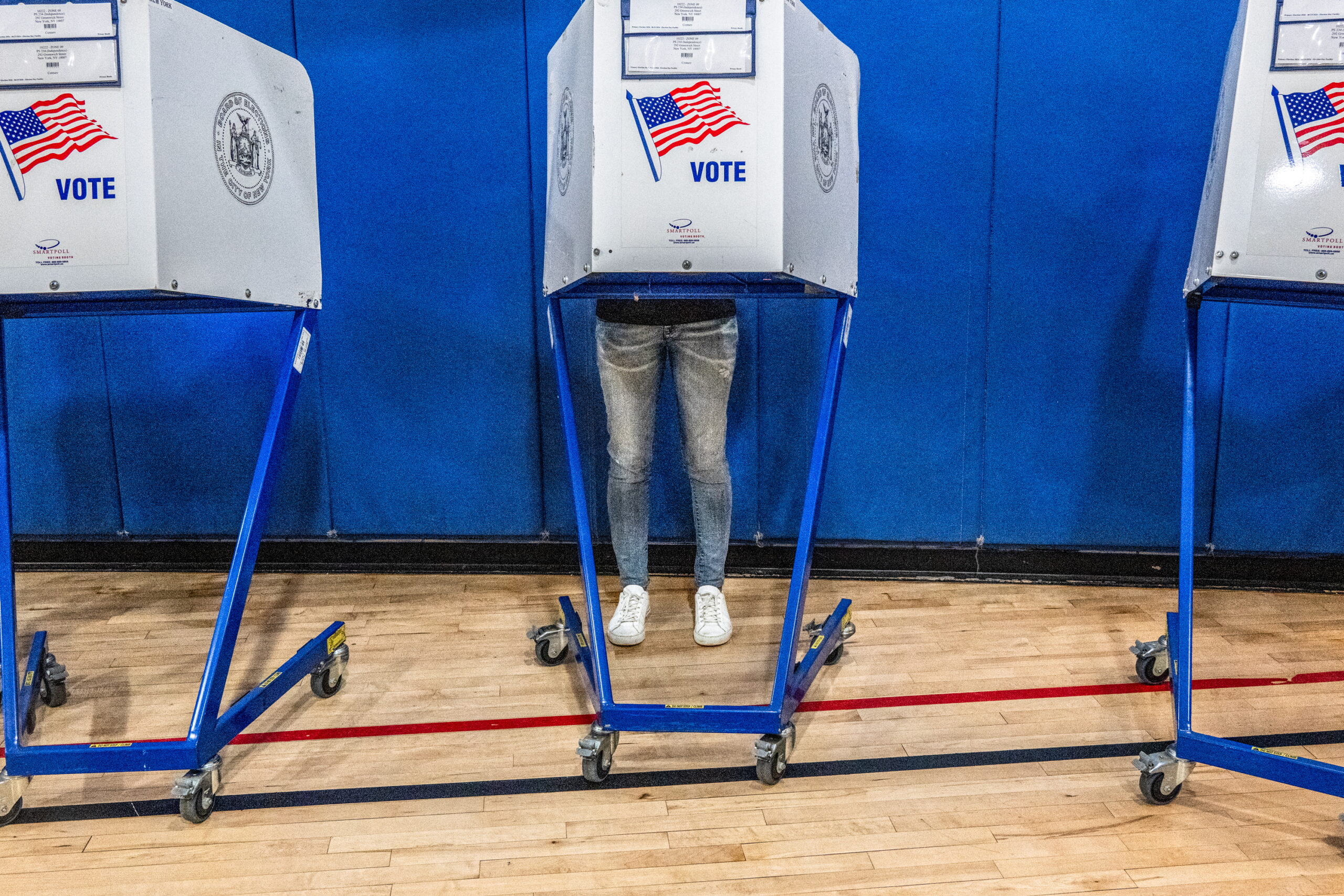
Two Democratic lawmakers overseeing federal election matters are pressing the Trump administration to release millions of dollars intended to help protect state and local elections ahead of the 2026 midterm elections.
Sen. Alex Padilla of California and Rep. Joseph Morelle of New York have called on Homeland Security Secretary Markwayne Mullin and acting Cybersecurity and Infrastructure Security Agency chief Nick Anderson to restore more than $39.6 million in funding for election security initiatives.
The lawmakers argue that the money was specifically authorized by Congress in the fiscal year 2026 Department of Homeland Security appropriations legislation approved in April.
Lawmakers Warn That Time Is Running Out
With the midterm elections approaching, Padilla and Morelle say state and local election officials need immediate access to resources designed to protect voting infrastructure from cyberattacks, misinformation and disinformation campaigns.
“With the midterm elections occurring in two months, we write with grave concern that time is running out … to assist state and local election officials in protecting our elections from cyber and mis-and disinformation threats,” the lawmakers wrote in a letter addressed to DHS and CISA officials.
The two lawmakers are among the leading congressional voices responsible for overseeing federal election administration. Padilla is the ranking member of the Senate Rules Committee, while Morelle serves as the ranking member of the House Administration Committee.
DHS and CISA had not immediately responded to requests for comment.
Election Infrastructure Funding at the Center of Dispute
One of the lawmakers’ primary concerns involves funding for the Election Infrastructure Information Sharing and Analysis Center, a resource designed to help election officials identify and respond to emerging threats.
The center previously provided free information-sharing services to state, local, tribal and territorial election officials. Its role included distributing intelligence about how malicious actors were attempting to target election infrastructure.
According to Padilla and Morelle, funding reductions in March 2025 forced the organization to significantly scale back its services and transition toward a paid membership model.
The lawmakers warned that such a model could leave smaller and financially constrained election offices without access to critical security information.
Cyberattacks and Disinformation Remain Major Concerns
Although there has not been evidence of hackers compromising voting machines on a nationwide scale, election security officials continue to face other types of threats.
Hack-and-leak operations, social media manipulation and coordinated misinformation campaigns have become increasingly prominent tools for actors seeking to influence voters and shape public perceptions of elections.
These threats can be particularly difficult to counter because they extend beyond election equipment itself. Campaigns designed to undermine confidence in voting systems can spread rapidly online and potentially reach millions of Americans before election officials have an opportunity to respond.
Foreign Election Interference Has Evolved
Concerns about foreign interference in U.S. elections became especially prominent during the 2016 presidential election.
The U.S. intelligence community concluded that Russia sought to interfere in that election, including through the release of politically damaging information intended to influence American voters.
Since then, election officials and national security agencies have warned that the threat environment has become increasingly complex.
Other foreign governments, including Iran, have also been accused by U.S. officials of attempting to influence American political discourse, undermine confidence in elections and promote policies or candidates favorable to their interests.
Democrats Demand Action Before the Midterms
Padilla and Morelle argue that restoring the funding now is essential because election officials have limited time to prepare for November’s elections.
Their request puts renewed attention on the federal government’s role in supporting state and local election offices, which remain responsible for administering elections across the country.
With the midterms approaching, the lawmakers say delays in distributing congressionally approved funds could leave election officials with fewer resources to defend against increasingly sophisticated cyber and information threats.
The dispute also highlights a broader challenge facing U.S. elections: protecting not only voting technology, but also the information environment surrounding elections and public trust in the democratic process.