As millions of Americans experience changes to food assistance programs, schools across the United States are facing a new concern: the potential loss of free meals for children who depend on them.
The issue is closely connected to changes in the Supplemental Nutrition Assistance Program, commonly known as SNAP or food stamps. For many families, participation in SNAP can also help children qualify for free breakfast and lunch at school.
Now, as fewer families receive food assistance, education and school nutrition advocates are warning that the effects could extend beyond the home and into classrooms.
SNAP Cuts Could Affect School Meal Programs
Paige Shoemaker DeMio, a senior policy analyst at the Center for American Progress who focuses on K-12 education, has been monitoring the changes to SNAP in recent months.
She says reductions in major assistance programs can create a domino effect for families.
“When we’re hearing about cuts to SNAP or Medicaid, we’re worried about what’s going to be the domino effect of this,” Shoemaker DeMio said.
The connection between SNAP and school meals is significant. Children in households receiving food assistance may qualify automatically for certain school meal programs. When families lose SNAP benefits, however, that automatic connection can disappear.
The result could be fewer children receiving free meals at school and greater financial pressure on school districts attempting to maintain broad meal programs.
More Than 1 Million Children Have Lost SNAP Benefits
The Center on Budget and Policy Priorities estimates that more than 1 million children have lost SNAP benefits since July 2025, following the passage of the One Big Beautiful Bill Act.
Among the changes introduced by the legislation were stricter work requirements for some people seeking to receive food assistance.
The changes are occurring as schools begin a new academic year, raising concerns among advocates about how families will manage food costs both at home and during the school day.
Schools Are Already Ending Universal Free Meals
Dozens of schools and school districts around the country have ended universal free meal programs as the new academic year begins.
Changes have been reported in major school systems, including districts in San Antonio, Houston and Miami-Dade County.
It remains difficult to determine exactly how much declining SNAP participation has contributed to those decisions. School nutrition experts say, however, that the full consequences of the federal changes may not become clear immediately.
Diane Pratt-Heavner, a spokesperson for the School Nutrition Association, which represents roughly 50,000 school nutrition professionals nationwide, said the effects could become more pronounced over time.
Advocates Warn the Impact Could Grow
The changes to SNAP could create challenges not only for families but also for schools that rely on federal programs to provide meals to students.
As more households potentially lose food assistance, schools could face increased demand from families seeking meal support while simultaneously having fewer students automatically qualifying for certain benefits.
Pratt-Heavner described the current situation as potentially only the beginning of a much larger problem.
“This moment in time could potentially be a tip-of-the-iceberg situation,” she said. “It could get much, much worse.”
What It Could Mean for Children
For families already struggling with grocery costs, the loss of SNAP benefits can have consequences that extend well beyond the household budget.
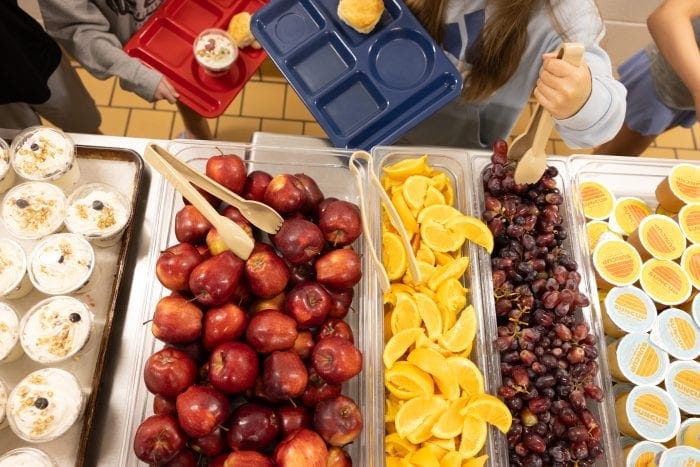
Free school breakfast and lunch programs can provide an important nutritional safety net for children during the school week. If fewer students qualify automatically and more districts scale back universal meal programs, families could be left to cover additional food costs themselves.
Education and nutrition advocates say the coming years will provide a clearer picture of how changes to SNAP affect school meal participation and whether districts have the resources needed to meet children’s nutritional needs.
For now, the debate over food assistance is increasingly extending into America’s schools, where access to a reliable meal can be just as important to a child’s day as what happens in the classroom.