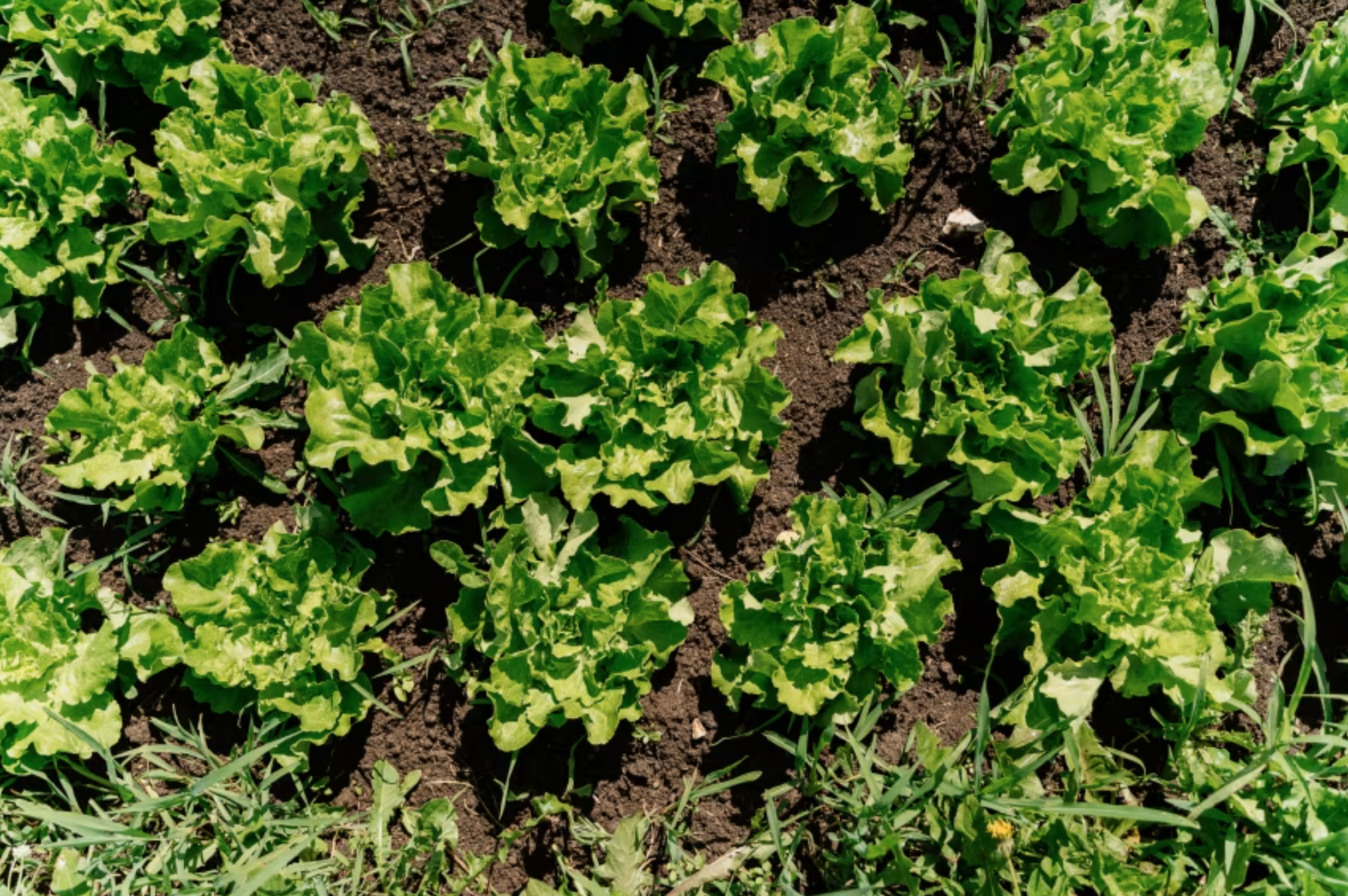
WASHINGTON — Public health officials across the United States are responding to an unusual increase in Cyclosporainfections, prompting renewed attention to one of the most persistent mysteries in food safety: how a parasite that originates only in human waste repeatedly contaminates fresh produce before reaching consumers.
The gastrointestinal illness, known as cyclosporiasis, has affected thousands of people during the current growing season, with health agencies expanding investigations into multiple outbreaks linked to fresh vegetables and leafy greens. Although scientists have improved surveillance and laboratory testing over the past decade, identifying the exact point where contamination occurs continues to challenge investigators.
Experts say the problem extends beyond a single farm or supplier. Instead, it highlights the complexity of modern agricultural supply chains, irrigation practices, environmental monitoring and produce distribution systems that stretch across several countries before food reaches grocery shelves.
According to Centers for Disease Control and Prevention, Cyclospora infections typically cause prolonged diarrhea, fatigue, stomach cramps, nausea and loss of appetite. Symptoms often develop days after consuming contaminated food, making outbreak investigations particularly difficult.
Why Cyclospora Outbreaks Remain Difficult to Trace
Unlike many foodborne pathogens, Cyclospora presents investigators with several unique obstacles. The parasite requires time to mature outside the human body before it becomes infectious, meaning direct person-to-person transmission is uncommon. Instead, contamination generally occurs somewhere between agricultural production and food preparation.
The delay between exposure and illness complicates epidemiological investigations. By the time patients seek medical attention, the contaminated products have often disappeared from stores, restaurant inventories and distribution centers. This time gap reduces opportunities for environmental sampling and laboratory confirmation.
Food safety specialists also note that consumers rarely remember every ingredient they consumed several weeks earlier. Investigators therefore rely on purchase histories, restaurant receipts and detailed interviews to reconstruct eating habits and identify potential common sources.
Research published through U.S. Food and Drug Administration emphasizes that traceback investigations frequently involve multiple farms, processing facilities, transportation companies and distributors before inspectors can narrow the origin of contaminated produce.
Water Management Has Become a Central Focus of Investigations
Many researchers believe irrigation water deserves closer examination as one of the most likely pathways for Cyclospora contamination. Agricultural water can come from canals, reservoirs, rivers or groundwater systems that may be exposed to environmental contamination under certain conditions.
Heavy rainfall, damaged sanitation infrastructure, flooding events or inadequate wastewater management may increase opportunities for pathogens to enter agricultural water supplies. While no single explanation accounts for every outbreak, improving water quality monitoring has become an important priority for regulators and growers alike.
Food producers have increasingly invested in sanitation programs, employee hygiene training and water management practices designed to reduce contamination risks. However, experts argue that additional scientific research is needed to better understand how Cyclospora survives and spreads within agricultural environments.
Information available through U.S. Department of Agriculture highlights the growing emphasis on preventive food safety measures that focus on irrigation systems, worker sanitation and supply chain monitoring to reduce contamination risks before products enter the marketplace.
Prevention and Surveillance Continue to Evolve
Health authorities stress that consumers should not avoid fresh fruits and vegetables altogether, as they remain an essential part of a healthy diet. Instead, experts recommend proper food handling, careful washing of produce where appropriate and staying informed about official food recalls and outbreak investigations.
At the industry level, advances in genetic sequencing, environmental sampling and digital product tracing are improving investigators’ ability to connect illness clusters more quickly than in previous years. Although these technologies cannot always identify the original contamination source, they provide valuable information that helps limit additional illnesses.
Scientists also continue evaluating new detection methods capable of identifying Cyclospora in irrigation water and agricultural environments before contaminated produce reaches consumers. Many researchers believe earlier detection, combined with stronger preventive controls, offers the best opportunity to reduce future outbreaks.
International collaboration among regulators, researchers and food producers is expected to play an increasingly important role as global produce supply chains continue to expand. Additional guidance from organizations such as World Health Organization is helping shape best practices for surveillance, food safety management and outbreak response as health agencies work to better understand one of the food industry’s most challenging parasites.