
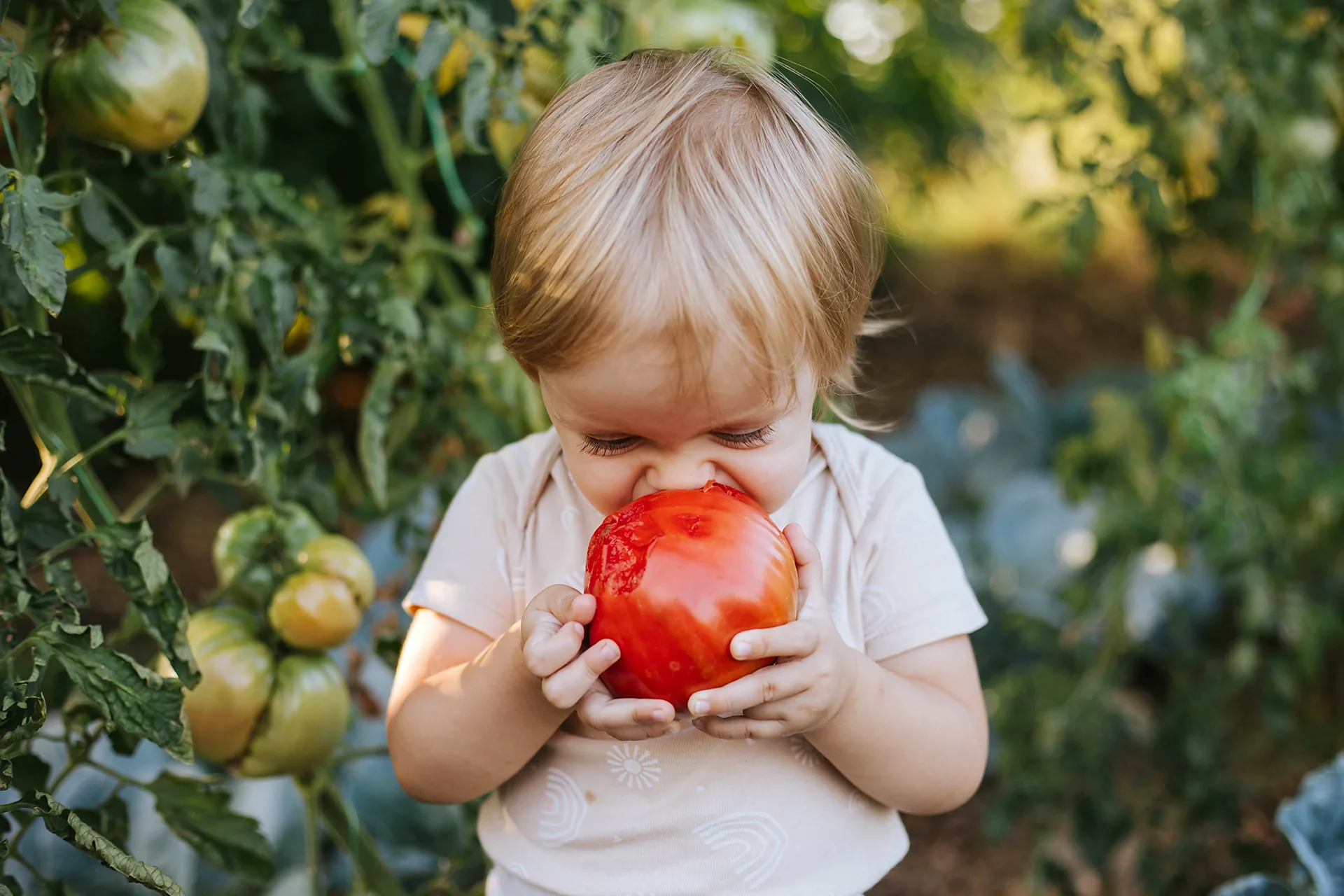
Helping children eat vegetables is one of the most common concerns among parents, yet nutrition specialists say success often depends less on forcing another bite and more on creating positive, repeated experiences with food. Research in child nutrition continues to show that everyday routines, rather than strict rules, have the greatest influence on long-term eating habits.
Children naturally develop preferences for sweeter flavors early in life, making vegetables a more challenging choice. That preference is a normal part of development, but experts emphasize it can gradually change when families consistently expose children to a wide variety of foods in a relaxed environment.
Rather than treating vegetables as an obligation, many pediatric dietitians recommend making them an ordinary part of daily meals. Small improvements repeated over months often prove more effective than dramatic changes attempted over a few days.
Children Eat Vegetables More Often Through Repeated Positive Experiences
One of the strongest findings in nutrition research is that children eat vegetables more willingly after repeated exposure. A child who rejects broccoli today may accept it weeks later after seeing it served several times without pressure or negative attention.
Nutrition specialists encourage parents to introduce vegetables in different forms, colors and cooking styles. Roasted carrots, steamed green beans, grilled zucchini or fresh cucumber each provide unique flavors and textures that help expand a child’s acceptance of unfamiliar foods.
Guidance from the https://www.myplate.gov/“>MyPlate Initiative encourages families to include a colorful variety of vegetables throughout the week while allowing children to become familiar with different options at their own pace.
Experts also recommend involving children during grocery shopping. Allowing them to choose a vegetable to try each week gives them a sense of ownership that often increases curiosity at mealtime.
Patience remains essential. Developing healthy food preferences is usually a gradual process rather than a single breakthrough moment.
Family Mealtimes Play a Bigger Role Than Many Parents Realize
Another reason children eat vegetables more consistently is simple observation. Young children naturally imitate the eating behaviors of parents, siblings and other caregivers. When vegetables are routinely enjoyed by the entire family, they become part of what children perceive as normal eating.
Nutrition professionals suggest serving the same vegetables to everyone at the table instead of preparing separate meals. Family meals also provide opportunities for conversation rather than negotiation, reducing the pressure children may feel when every bite becomes the focus of attention.
Information published by the https://www.aap.org/“>American Academy of Pediatrics highlights that healthy eating patterns are strongly influenced by family routines, consistent meal schedules and positive food environments.
Presentation also matters. Bright colors, bite-sized portions and attractive arrangements can make vegetables appear more approachable without disguising them completely. Some families find success by offering raw vegetables with yogurt-based dips or incorporating vegetables into familiar recipes while still serving them separately so children continue recognizing them.
Building Healthy Eating Habits Is a Long-Term Process
Parents often worry when progress seems slow, but nutrition researchers emphasize that learning to enjoy vegetables is part of a broader process of developing lifelong eating habits. The goal is not perfection at every meal but steady improvement over time.
Allowing children to help wash vegetables, mix salads or prepare simple recipes can increase familiarity and confidence around food. Cooking together transforms vegetables from unfamiliar objects into ingredients children helped prepare themselves.
Additional nutrition resources are available through the https://www.eatright.org/“>Academy of Nutrition and Dietetics, while practical recommendations for balanced childhood nutrition can also be found through the https://www.cdc.gov/nutrition/“>Centers for Disease Control and Prevention Nutrition Program.
Although every child develops food preferences differently, health professionals generally agree on one principle: creating positive experiences around vegetables is far more likely to build lasting healthy habits than pressure, bargaining or punishment. Consistency, patience and family participation remain the strongest ingredients for helping children develop a balanced diet that can benefit them well into adulthood.