A powerful heat dome is expected to keep much of the United States under dangerous heat conditions through the July 4 holiday weekend. Meteorologists warn that millions of people could experience prolonged periods of extreme temperatures and high humidity. This persistent weather pattern is affecting large portions of the central and eastern United States. As a result, it is creating conditions that significantly increase the risk of heat-related illnesses.
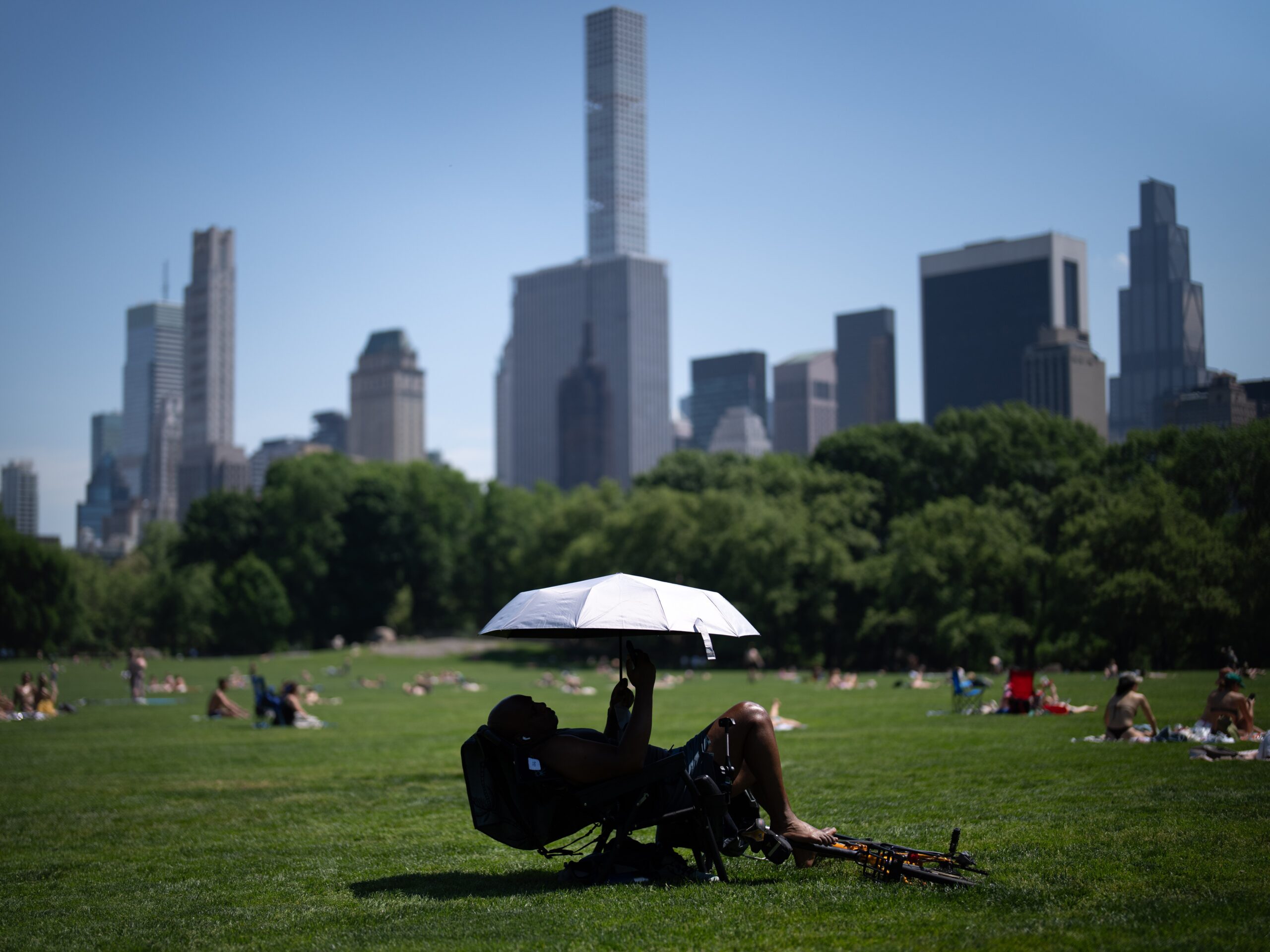
Forecasters warn that the combination of intense sunshine, limited cloud cover, and elevated humidity will make outdoor conditions especially hazardous. In many locations, the heat index—or the temperature the human body actually feels—will exceed the actual air temperature. Because of this, prolonged outdoor activity will be increasingly dangerous.
Health officials are encouraging residents to monitor weather forecasts closely and take precautions well before the hottest part of each day arrives.
How a Heat Dome Creates Prolonged Extreme Heat
A heat dome develops when a strong area of high atmospheric pressure becomes established over a region. It traps hot air near the Earth’s surface. This high-pressure system acts like a lid, preventing cooler air from entering. In turn, it allows temperatures to continue rising over several consecutive days.
As sunlight heats the ground, the trapped warm air becomes even hotter because it cannot easily escape into the upper atmosphere. The result is an extended period of unusually high daytime temperatures. In addition, there is limited cooling overnight.
Meteorologists note that humidity further intensifies these conditions. High moisture levels in the atmosphere reduce the body’s ability to cool itself through sweating. As a result, heat index values climb well above the actual temperature. In some areas, conditions may feel as if temperatures have reached between 100 and 110 degrees Fahrenheit.
Health Officials Urge Precautions During the Holiday Weekend
The arrival of the Independence Day holiday means many people will spend extended periods outdoors attending barbecues, sporting events, festivals, and fireworks displays. Emergency management agencies warn that heat-related illnesses can develop rapidly, even during evening hours. This risk persists when temperatures remain elevated.
Unlike typical summer days, overnight temperatures are expected to stay unusually warm. This will limit the body’s opportunity to recover from daytime heat exposure. Officials recommend drinking water frequently, wearing lightweight clothing, and taking breaks in shaded or air-conditioned locations. Furthermore, they advise avoiding strenuous physical activity during the hottest hours.
Older adults, young children, individuals with chronic medical conditions, and outdoor workers face the greatest health risks during prolonged heat events. Families are also encouraged to regularly check on neighbors, relatives, and others who may be especially vulnerable.
Dangerous Heat Expected to Continue Beyond the Holiday
Forecasters indicate that the current heat dome may persist beyond the July 4 weekend. Portions of both the eastern and western United States may continue to experience above-average temperatures. Some regions may remain under heat advisories or excessive heat warnings as weather conditions evolve.
Emergency officials emphasize that heat remains one of the deadliest weather hazards in the United States each year. Heat exhaustion, heat cramps, and heat stroke can develop quickly if warning signs are ignored. Symptoms such as dizziness, nausea, confusion, weakness, rapid heartbeat, or loss of consciousness require immediate attention. In these cases, suspected heat stroke should be treated as a medical emergency.
As the holiday approaches, authorities continue urging residents to prepare ahead, remain hydrated, and follow local weather advisories to reduce health risks associated with prolonged extreme heat.