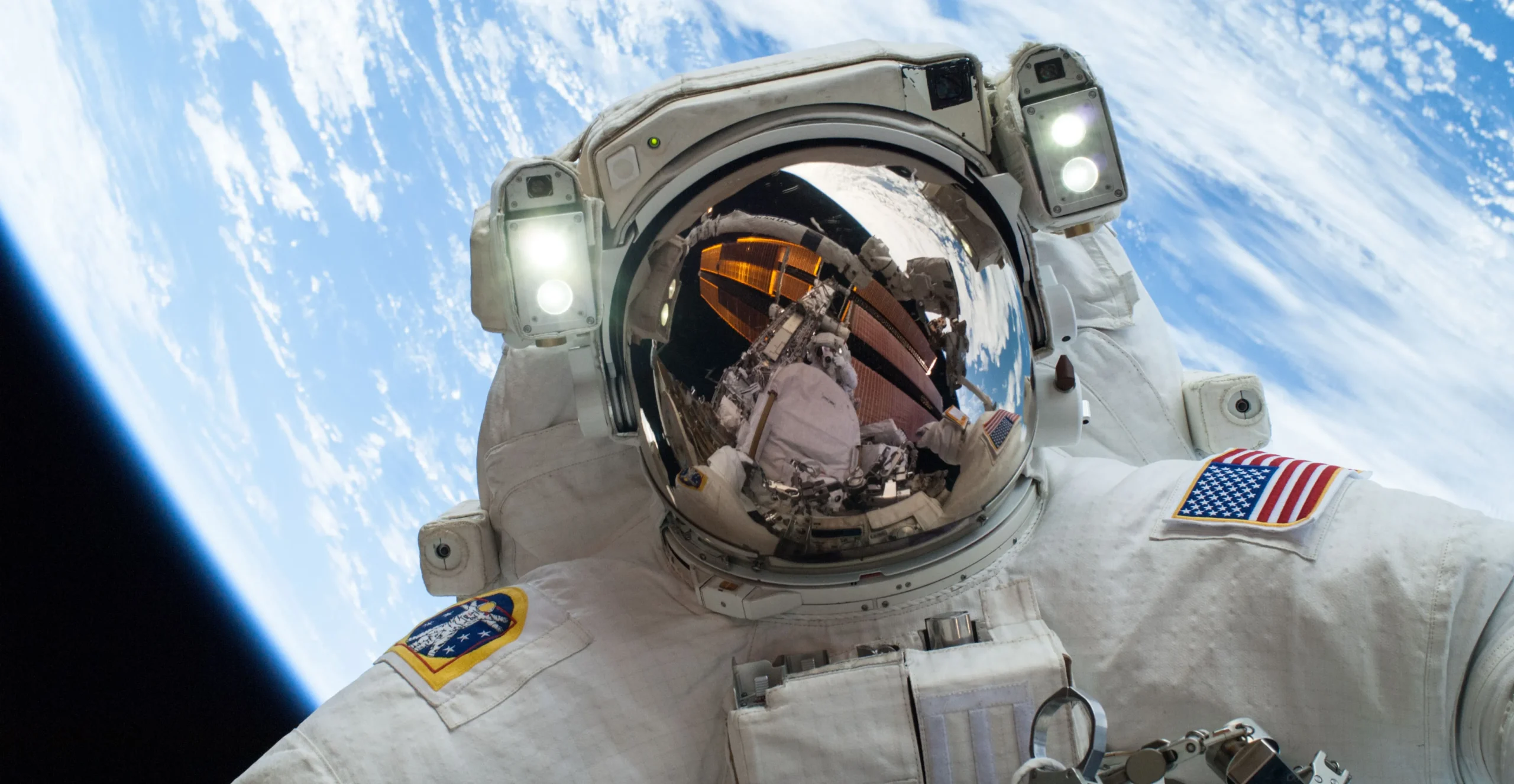
Understanding space brain changes has become one of the fastest-growing areas of space medicine. This growth comes as agencies prepare for missions that will travel far beyond low Earth orbit. While decades of research have documented the effects of microgravity on muscles and bones, scientists are increasingly investigating how prolonged exposure to weightlessness influences the human brain. Moreover, they study sensory perception and cognitive performance.
The findings are attracting attention because future astronauts traveling to the Moon, Mars and beyond will need to make complex decisions in environments where immediate assistance from Earth may not be available. Consequently, maintaining physical fitness remains essential. However, preserving neurological performance may prove just as critical for mission success.
Space agencies and research institutions now consider the brain a central component of astronaut health. Therefore, they encourage new studies that combine neuroscience, advanced imaging and behavioral science to understand how humans adapt outside Earth’s gravitational environment.
Space Brain Changes Reveal the Brain’s Ability to Adapt
One of the most remarkable discoveries is the brain’s capacity for neuroplasticity—the ability to reorganize neural connections when exposed to unfamiliar environments. In orbit, astronauts experience a constant redistribution of body fluids. Furthermore, they receive different sensory information than they do on Earth.
Scientific information about ongoing human research in orbit is available through NASA. Multiple experiments continue examining the physiological effects of long-duration missions.
Researchers believe the brain gradually recalibrates how it processes movement, balance and spatial orientation after entering microgravity. This adjustment helps astronauts perform everyday activities inside spacecraft despite the absence of gravity. Initially, however, many crew members report temporary disorientation, altered depth perception and difficulty coordinating routine movements.
The adaptation process demonstrates the flexibility of the human nervous system. However, scientists continue studying how long these neurological adjustments last after astronauts return to Earth.
Preparing Astronauts for Deep Space Missions
Future expeditions to the Moon and Mars introduce new operational challenges because astronauts may transition repeatedly between different gravitational environments. Unlike crews aboard the International Space Station, deep-space explorers could experience months in microgravity. Then, they could land on planetary surfaces with reduced gravity.
European research programs coordinated through Space Agency continue investigating countermeasures designed to improve astronaut performance before, during and after spaceflight.
Engineers and physicians are evaluating several approaches to support neurological adaptation. These include specialized exercise protocols, virtual reality training, and wearable monitoring systems. Advanced cognitive testing is also being developed. These tests are capable of detecting subtle performance changes before they become operational risks.
Artificial gravity concepts remain another area of long-term interest. Although technically challenging, rotating spacecraft or short-duration centrifuge systems could one day reduce the physiological stress. This stress is associated with extended exposure to weightlessness.
Space Medicine Expands Beyond Traditional Physical Health
The growing field of space neuroscience illustrates how future exploration will depend on understanding the interaction between biology, technology and extreme environments. Researchers increasingly view cognitive resilience as equally important as cardiovascular fitness. It is also as important as musculoskeletal strength.
Medical research supported by Institutes of Health continues contributing to broader knowledge about brain function. At the same time, international scientific collaboration through organizations such as on Space Research (COSPAR) encourages the exchange of findings relevant to human exploration.
The knowledge gained from astronaut studies may also benefit healthcare on Earth. Investigations into balance disorders, neuroplasticity, aging and rehabilitation have already inspired medical research beyond the space sector. This demonstrates how discoveries made for exploration frequently generate practical applications for everyday life.
As governments and private companies prepare for increasingly ambitious missions, understanding how the brain responds to prolonged spaceflight is expected to remain one of the defining scientific priorities. This will be a focus of the next generation of human exploration.