
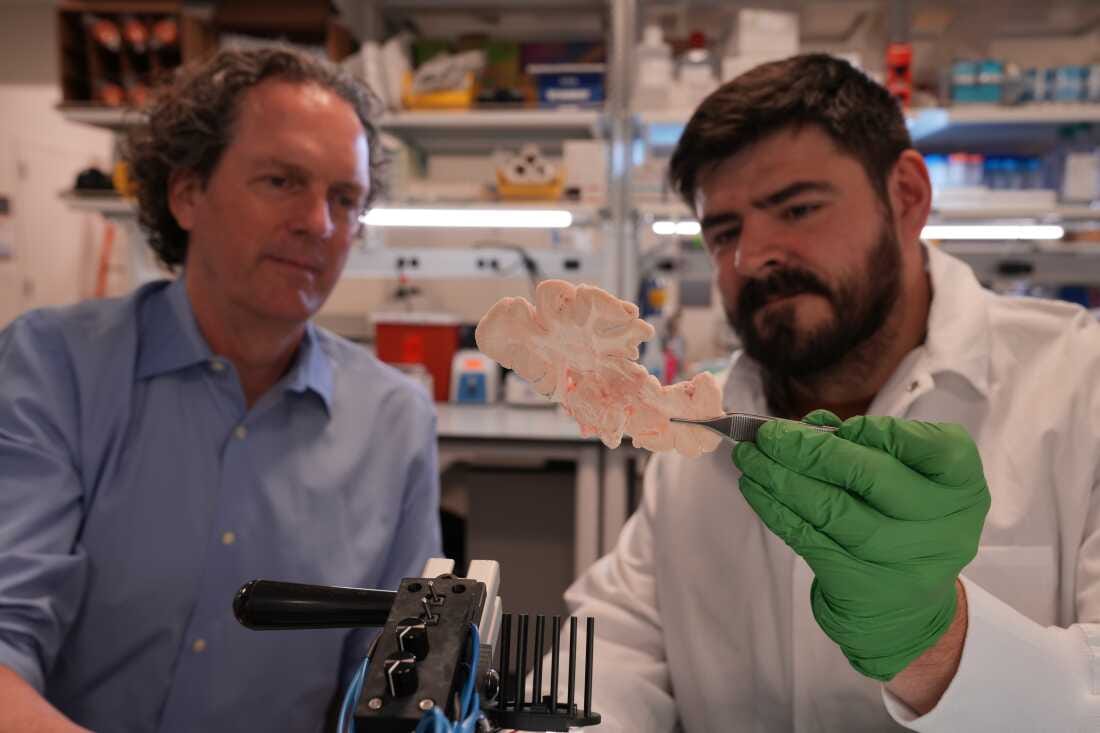
The Brain Health Accelerator is ushering in a new chapter in neuroscience. Researchers are moving beyond simply understanding how the brain functions. They are beginning to develop therapies designed to repair it when disease strikes. Backed by a $400 million investment and supported by leading scientific institutions, the initiative seeks to accelerate the development of advanced genetic treatments for some of the world’s most challenging neurological disorders.
For decades, scientists focused primarily on mapping the brain’s complex networks and identifying the biological mechanisms behind neurodegenerative diseases. Today, breakthroughs in genetics, molecular biology, artificial intelligence, and neuroscience have created new opportunities. Previously, many researchers believed these advances were decades away.
The Brain Health Accelerator brings together experts from multiple disciplines with a shared goal. They aim to transform scientific discoveries into treatments capable of slowing, stopping, or potentially reversing diseases such as Alzheimer’s disease, Parkinson’s disease, amyotrophic lateral sclerosis (ALS), Huntington’s disease, and Lewy body dementia.
The initiative represents one of the largest coordinated efforts in recent years. Its purpose is to apply cutting-edge genetic technologies directly to brain disorders that currently have limited treatment options.
Brain Health Accelerator Builds on a Decade of Neuroscience Progress
The Brain Health Accelerator emerged from years of scientific advances fueled by large-scale research efforts focused on understanding the human brain. As a result, researchers now possess tools capable of analyzing individual brain cells, identifying genetic variations, and mapping neural circuits with unprecedented precision.
These advances have dramatically improved scientists’ understanding of how neurological diseases develop and progress. Instead of treating symptoms alone, researchers can now investigate the underlying biological processes. These processes are responsible for damaging brain cells and disrupting neural communication.
Many of these discoveries were made possible through collaborative programs such as the BRAIN Initiative. This initiative has supported the development of innovative technologies for studying brain function and neurological disorders.
Scientists involved in the new accelerator believe that recent progress has brought the field to a critical turning point. Rather than spending years gathering basic information about brain biology, researchers can increasingly focus on translating that knowledge into practical therapies.
The project’s funding includes support from various sources. These include research institutions, private donors, technology companies, and medical organizations. All are committed to advancing neurological disease treatment.
Genetic Therapies Could Transform Treatment for Neurological Diseases
A central objective of the Brain Health Accelerator is the development of next-generation genetic therapies. These approaches include gene editing, gene replacement technologies, and methods designed to regulate the activity of disease-causing genes.
Unlike traditional medications, which often attempt to manage symptoms after damage has occurred, genetic therapies aim to address the biological causes of disease at the molecular level. Researchers hope these treatments can prevent harmful proteins from accumulating. Additionally, they hope to repair dysfunctional cellular processes and protect vulnerable neurons before irreversible damage occurs.
One of the most promising targets is Huntington’s disease, a rare inherited neurological disorder caused by a single defective gene. Because the disease can be traced directly to a specific genetic mutation, scientists view it as an ideal candidate for precision genetic intervention.
Research efforts involving neurological disorders continue through organizations such as the National Institute of Neurological Disorders and Stroke. This institute supports investigations into diseases affecting the brain and nervous system.
Experts believe lessons learned from treating Huntington’s disease could eventually be applied to more common neurological conditions. These include Alzheimer’s and Parkinson’s disease, which involve more complex biological pathways.
New Collaborations Aim to Accelerate Clinical Breakthroughs
One of the defining features of the Brain Health Accelerator is its emphasis on large-scale collaboration. Scientists from universities, hospitals, biotechnology companies, and research centers are working together to speed up the transition from laboratory discovery to patient treatment.
Researchers argue that many neurological diseases require resources and expertise beyond the capabilities of individual laboratories. By combining data, technology, and scientific talent, the accelerator hopes to overcome barriers that have historically slowed progress in neuroscience.
The initiative also reflects growing optimism within the scientific community regarding the future of precision medicine. Recent successes in genetic treatments for rare disorders have demonstrated that previously untreatable conditions can be addressed through targeted molecular interventions.
Information about ongoing neuroscience research can be explored through the Allen Institute, one of the organizations leading the accelerator effort. Additional resources related to genetic medicine and emerging therapies are available through the National Institutes of Health.
As researchers continue refining genetic technologies and expanding their understanding of brain biology, the Brain Health Accelerator aims to shorten the path between scientific discovery and clinical treatment. For millions of people living with neurological diseases, these efforts may help pave the way for therapies capable of changing the course of conditions that have long been considered among medicine’s greatest challenges.