Boston and New York Lead in Rising Transit Costs
As the 2026 FIFA World Cup arrives across North America, transportation costs have emerged as a major concern for fans, particularly in cities like Boston and New York City. While ticket prices have already reached thousands of dollars, the cost of simply getting to matches is adding another financial burden.
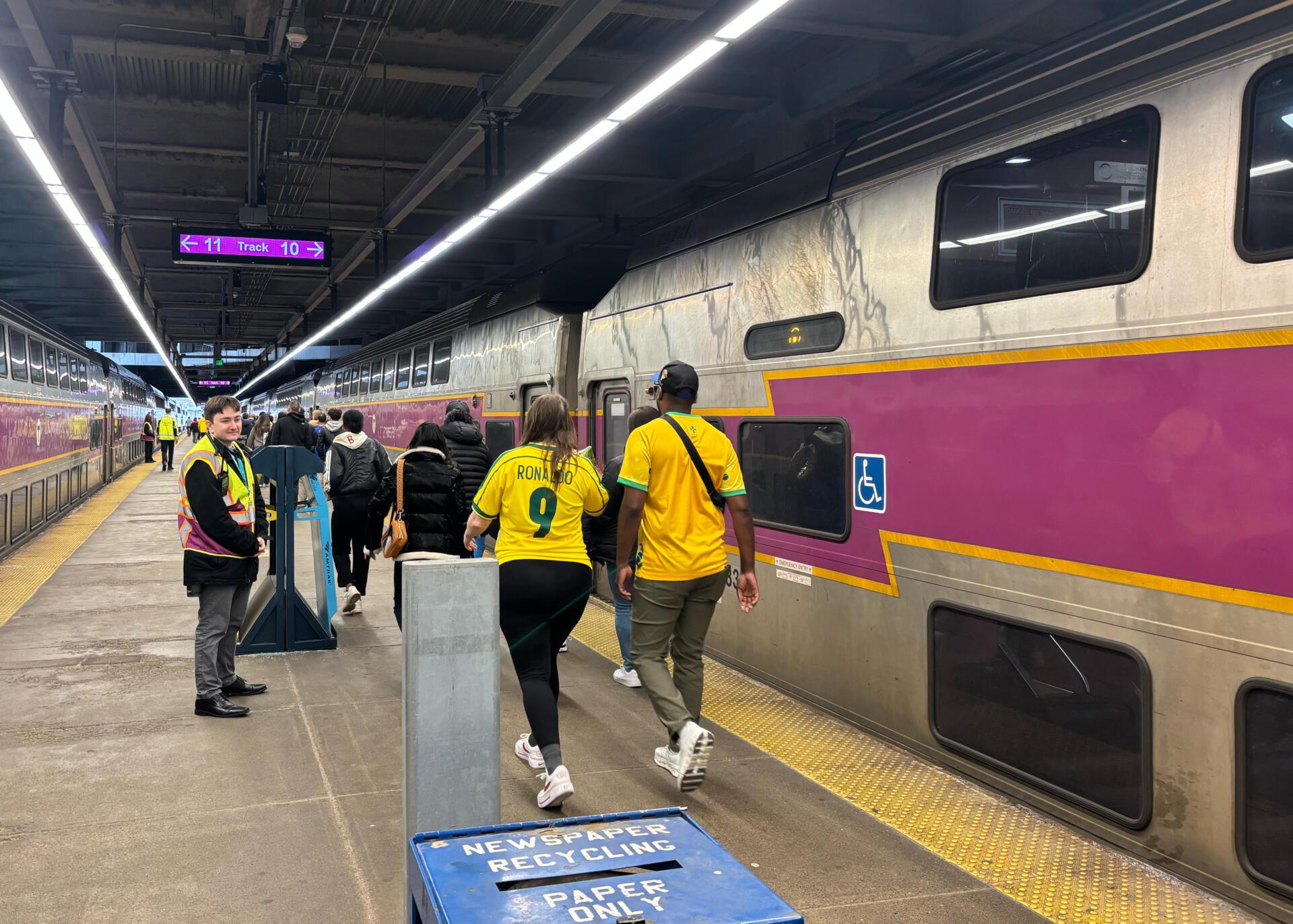
In Boston, fans traveling to Gillette Stadium will pay approximately $80 for a roundtrip commuter rail ticket. This represents a significant increase compared to typical event pricing, which is closer to $20 for similar routes during NFL games. Despite the jump, local officials argue that rail travel remains more efficient and cost-effective than driving, especially when factoring in parking and traffic congestion.
Meanwhile, New York-area fans heading to MetLife Stadium face even higher costs. Regional rail fares are set at $150 roundtrip, nearly twelve times the standard event fare. Officials have justified the pricing by citing the estimated $48,000,000 required to manage transportation logistics during the tournament.
For broader transportation planning insights in mega-events, analysis can be explored at https://www.apta.com and https://www.transportation.gov, where large-scale transit strategies are frequently evaluated.
Other Host Cities Offer More Affordable Alternatives
In contrast, other World Cup host cities such as Philadelphia and Toronto provide significantly more affordable transportation options. Their stadiums are better integrated into urban transit systems, allowing fans to use standard metro or local rail services at regular fares.
This accessibility eliminates the need for costly regional rail or special event pricing, making these cities more attractive for budget-conscious attendees. The difference highlights how infrastructure and stadium location play a crucial role in determining overall fan expenses.
Urban planning experts have long emphasized the importance of transit-oriented development, a topic widely covered by institutions like https://www.urban.org and https://www.itdp.org, which examine how proximity and connectivity impact large event logistics.
FIFA, Local Governments, and the Cost Burden Debate
The pricing disparity has also sparked a broader debate over who should bear the cost of transportation during global events like the FIFA World Cup 2026. Local officials in New Jersey have argued that international organizers should contribute financially, especially given prior expectations around transportation support.
FIFA, however, has maintained that agreements with host cities included provisions related to transit access, though interpretations differ. This tension reflects a recurring issue in mega-events, where local governments often absorb significant infrastructure and operational costs.
Alternative options are being introduced, such as bus services priced at $80 in New York and $95 in Boston. However, these may offer limited savings and longer travel times due to heavy traffic conditions.
Despite the high transportation costs, some aspects remain accessible. Fan festivals in cities like Boston, Philadelphia, and Toronto are expected to be free, offering fans a way to participate in the World Cup atmosphere without additional expenses.
As the tournament approaches, the contrast between cities underscores a key reality: attending the World Cup is not just about securing a ticket, but navigating a complex and often costly travel experience shaped by infrastructure, policy decisions, and global event economics.