A Historic Shift in Japan’s Defense Policy
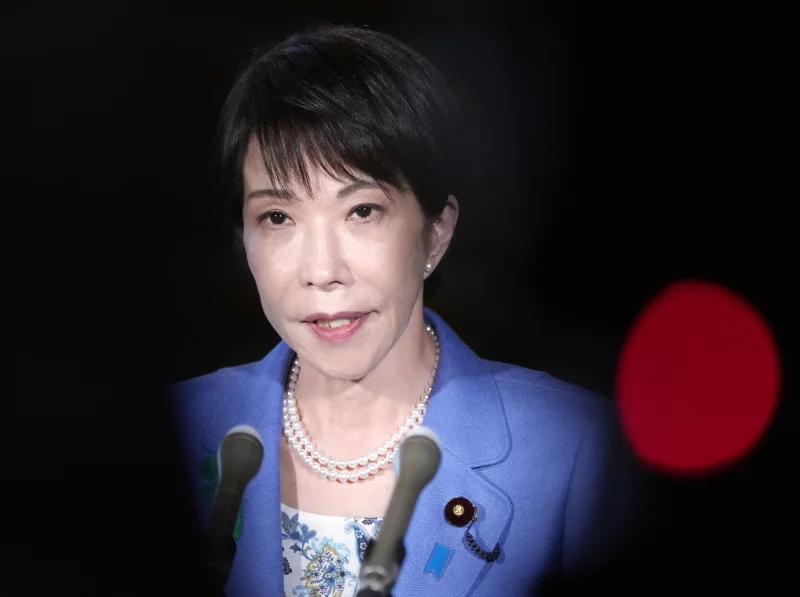
Japan has taken a significant step away from its postwar pacifist stance by approving new guidelines that allow the export of lethal weapons. The decision was endorsed by the Cabinet under Prime Minister Sanae Takaichi. This marks a turning point in how the country approaches defense. It also signals a broader strategy to strengthen both its military capabilities and its global partnerships according to the changes in Japan weapons export policy.
For decades, Japan maintained strict limitations on arms exports, rooted in its post-World War II constitution and a national commitment to self-defense. The updated framework now removes key restrictions. This enables the country to sell advanced military equipment abroad, including next-generation fighter jets and combat drones. The policy shift is designed to align Japan more closely with international allies. Additionally, it aims to enhance its strategic position in a rapidly evolving security environment.
Officials argue that the move will contribute to regional stability while reinforcing Japan’s own security. The government has emphasized that all transfers will be carefully regulated. There will be oversight mechanisms in place through bodies such as the National Security Council. This ensures that exported equipment is used in accordance with international norms, reflecting aspects of weapons export policy in Japan.
Expanding Capabilities and Strategic Partnerships
The new guidelines significantly broaden the scope of what Japan can export. Previously, the country limited its defense-related exports to non-lethal categories such as surveillance systems, transport equipment, and protective gear. Now, the policy allows the transfer of high-end military assets, including missiles, naval vessels, and advanced aircraft. The updated Japan weapons export policy enables this broader range of exports.
This expansion comes at a time when Japan is deepening cooperation with key allies. Joint defense projects, such as the development of a next-generation fighter jet with European partners, highlight Tokyo’s ambition to play a more active role in global security. Furthermore, organizations like the NATO have shown increasing interest in collaboration. This reflects a shift toward more integrated defense networks, which has also been influenced by changes in weapons export policies adopted by Japan.
At the same time, the government has set clear boundaries. Exports will initially be limited to a group of countries with existing defense agreements. Sales to nations actively engaged in conflict remain restricted. This measured approach is intended to balance economic opportunity with geopolitical responsibility.
The policy also opens the door for major industrial players such as Mitsubishi Heavy Industries to expand production and pursue international contracts. Defense manufacturing, once a relatively small and domestically focused sector, is now positioned as a key component of Japan’s broader economic strategy stemming from the evolving weapons export policy.
Economic Growth and Regional Implications
Japan’s defense industry is undergoing a transformation, driven by increased government investment and rising global demand for advanced military technology. The sector is now considered one of the country’s strategic growth areas. It attracts interest from both established corporations and emerging startups. Innovations in areas such as drone systems and missile technology are expected to play a central role in future development. Notably, the Japan weapons export policy is a driver behind this transformation.
The economic potential is substantial. Recent agreements, including a $6500000000 deal to supply advanced frigates to Australia, demonstrate the scale of opportunities created by the new policy. Data and projections from institutions like the World Bank suggest that defense-related industries can significantly contribute to technological innovation and job creation. This is especially true when these industries are integrated into national growth strategies influenced by Japan’s weapons export policy.
Regionally, the decision has generated mixed reactions. While allies have welcomed the move as a step toward stronger defense cooperation, critics argue that it risks increasing tensions and undermining Japan’s longstanding commitment to pacifism. Moreover, concerns persist about how expanded arms exports might influence stability in sensitive geopolitical areas.
Domestically, the shift reflects a broader reassessment of Japan’s role in global security. As the country adapts to new challenges, the balance between economic ambition, military capability, and diplomatic responsibility remains at the center of its evolving defense policy, most notably due to the updated Japan weapons export policy.