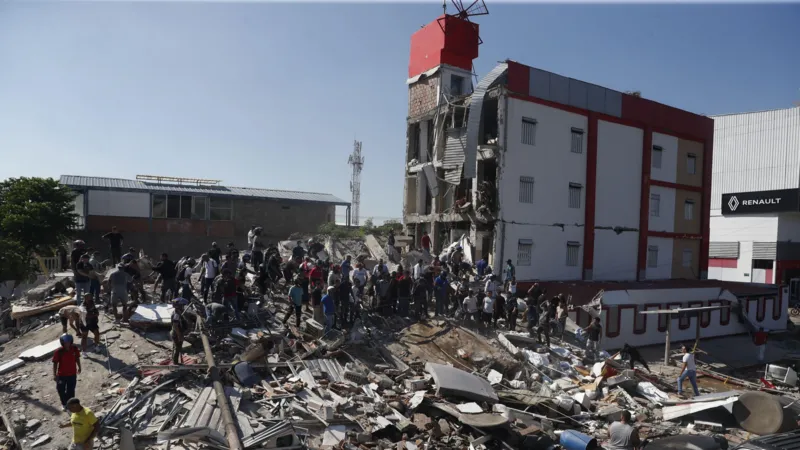
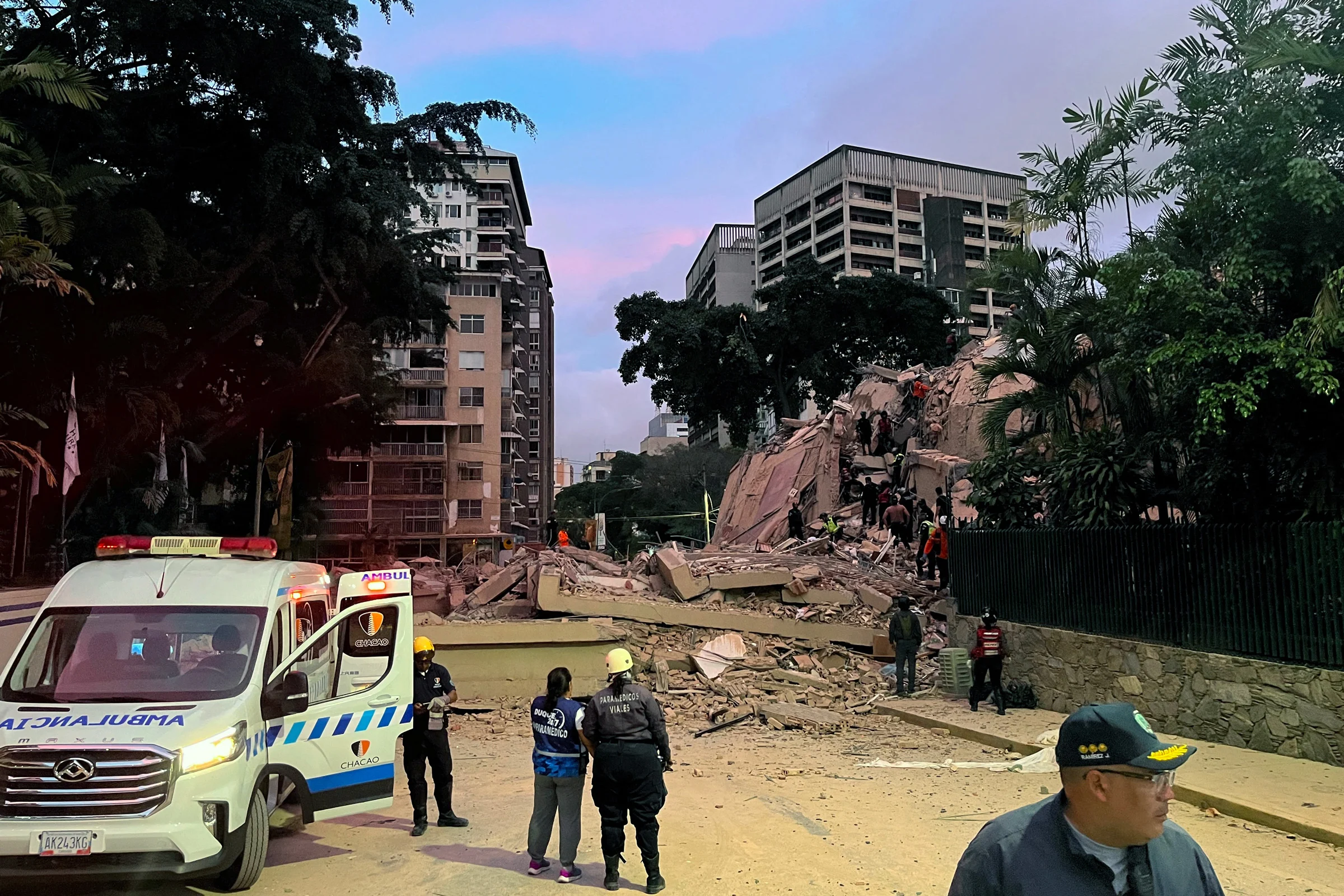
The Venezuela earthquake has become one of the country’s deadliest natural disasters in more than a century. This follows two powerful earthquakes that struck within seconds of each other and left widespread destruction across several regions. Emergency officials have confirmed hundreds of deaths and more than a thousand injuries. Additionally, there are scores of missing people as rescue crews continue searching damaged neighborhoods where survivors may still be trapped beneath collapsed buildings.
Authorities declared a nationwide state of emergency within hours of the disaster. They mobilized military units, firefighters, medical personnel and civil protection teams. The earthquakes struck at a particularly difficult moment for Venezuela, which continues to face political instability and economic hardship. This added new pressure to already strained public services and emergency infrastructure.
The strongest shaking was felt across much of the country and extended into neighboring Colombia. Meanwhile, thousands of residents spent the night outdoors because of continuing aftershocks and concerns that weakened buildings could collapse.
Venezuela Earthquake Causes Widespread Damage Across Multiple Regions
The first earthquake, measured at magnitude 7.2, struck near San Felipe in Yaracuy state. Before a stronger magnitude 7.5 earthquake followed less than a minute later southeast of Yumare. The short interval between the two powerful events amplified the destruction. Buildings already weakened by the initial shock suffered additional structural failures.
Information published by the https://earthquake.usgs.gov/“>U.S. Geological Survey indicates that both earthquakes generated red-level impact assessments. This suggests a high probability of severe structural damage and significant casualties because many buildings in the affected region are vulnerable to intense ground shaking.
Entire apartment blocks, commercial buildings and hotels sustained extensive damage. In parts of Caracas, residents described hearing concrete crack before floors partially collapsed. Emergency workers spent hours using heavy machinery and rescue dogs. Meanwhile, volunteers formed human chains to remove debris by hand where equipment could not safely operate.
Coastal communities were among the hardest hit. Authorities reported severe destruction in La Guaira, where several residential buildings and tourist facilities suffered catastrophic structural failures. Furthermore, roads, utility networks and telecommunications infrastructure also experienced major disruptions. This complicated rescue efforts during the critical first hours after the earthquakes.
Rescue Operations Continue as Humanitarian Needs Grow
The Venezuela earthquake has left thousands of people displaced as emergency shelters open in schools, sports facilities and public buildings. Many families remain unable to return home because engineers continue evaluating damaged structures for the risk of collapse.
Medical teams have established temporary treatment centers near heavily affected neighborhoods while hospitals work under emergency conditions to receive trauma patients. International humanitarian organizations have also begun supporting local authorities with emergency medical supplies, shelter materials and logistics.
Current emergency guidance distributed through the https://www.redcross.org/“>American Red Cross highlights the importance of avoiding unstable buildings, preparing emergency supplies and following evacuation instructions. This is especially important while aftershocks remain possible.
Search operations continue around the clock as specialized rescue teams attempt to locate survivors beneath collapsed concrete structures. Officials acknowledge that the number of confirmed fatalities and injuries may continue to increase as access improves to some of the worst-affected locations.
Meanwhile, interruptions to electricity, internet service and transportation have slowed communication between emergency responders and isolated communities. Airports, rail services and portions of the highway network have also been affected, delaying the movement of relief supplies.
International Assistance Expands While Recovery Begins
The Venezuela earthquake has prompted a rapid international response. Several governments have announced emergency assistance, including urban search-and-rescue personnel, engineering specialists, medical teams and humanitarian aid.
Organizations coordinating disaster response are working alongside Venezuelan authorities to identify priority areas where additional equipment and specialized personnel are needed. Emergency funding has also been allocated to support debris removal, temporary housing and restoration of essential public services.
Disaster response experts note that the coming weeks will shift from immediate rescue efforts toward restoring critical infrastructure and reopening hospitals and schools. In addition, they will assess the structural safety of thousands of buildings. Updated emergency coordination resources continue to be published by the https://www.undrr.org/“>United Nations Office for Disaster Risk Reduction. Governments are also strengthening disaster preparedness and resilience.
Seismologists also continue monitoring aftershock activity through the https://www.emsc-csem.org/“>European-Mediterranean Seismological Centre. Meanwhile, emergency officials urge residents in affected regions to remain alert, avoid damaged structures and follow evacuation orders. They should do this until detailed structural inspections have been completed.