Experts say dismantling more than 100 science-focused advisory committees could weaken federal research and public health decision-making for years
The Trump administration’s decision to eliminate dozens of federal science advisory committees is raising concerns among researchers and public health experts, who warn that the consequences could extend far beyond the immediate loss of the panels.
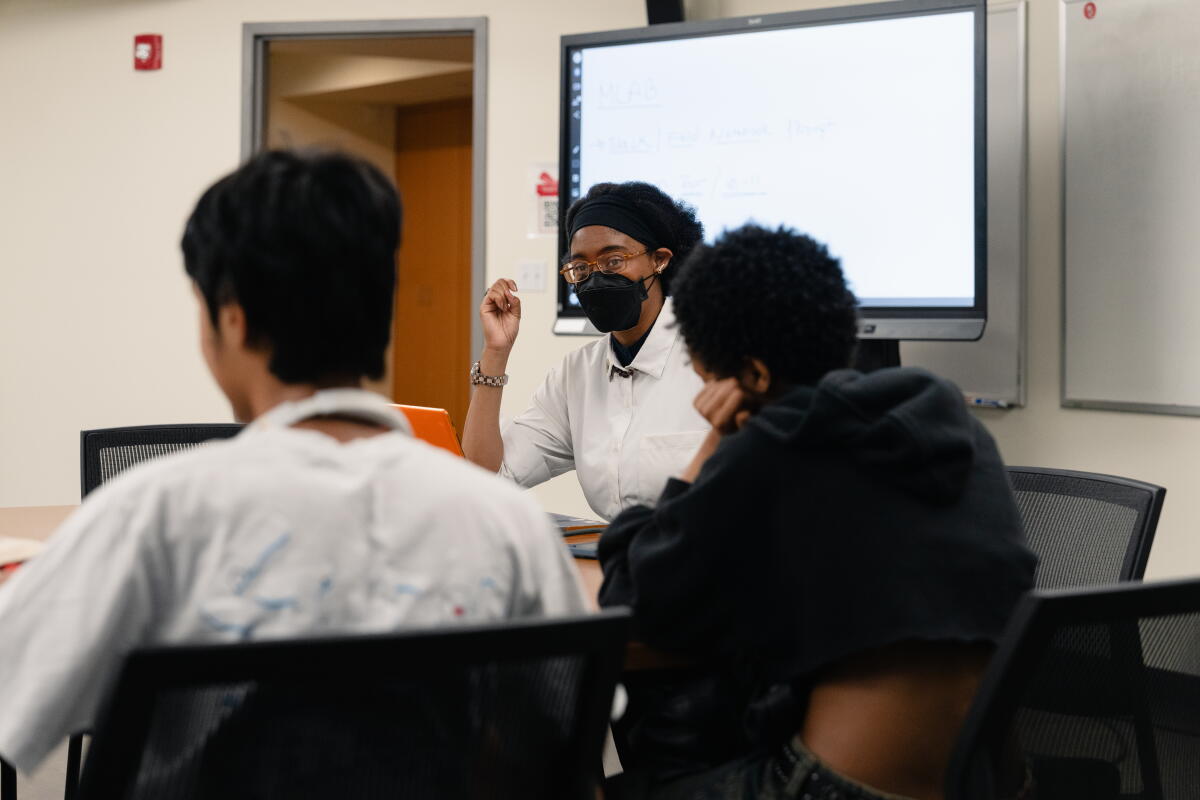
Among those affected is Netia McCray, a 36-year-old long COVID patient who joined a federal advisory committee in 2025 hoping to use her personal experience to help improve the lives of millions of Americans living with the condition.
McCray had developed long COVID during the early years of the pandemic. Fatigue, heart palpitations and shortness of breath had become persistent parts of her life. Joining the advisory committee offered her an opportunity to turn that experience into something that could contribute to research and policy.
Instead, only a few months after joining, she received an email informing her that the committee had been terminated “effective immediately.”
More than 100 federal science committees have been eliminated
McCray’s committee is among more than 100 science-focused federal advisory groups that have been terminated during President Trump’s second administration, according to an analysis published by the journal Nature.
These committees bring together scientists, physicians, researchers, patients and other specialists to provide federal agencies with expertise on complex issues ranging from public health to scientific research.
The loss of these groups means that hundreds of experts who once contributed directly to federal policymaking are no longer participating in those discussions.
Researchers and advocates say the consequences may not be immediately visible. However, eliminating advisory bodies can reduce access to specialized expertise precisely when federal agencies are making decisions about emerging diseases, scientific research and public health.
Long COVID patients lose a seat at the table
For McCray, the termination was particularly frustrating because she had hoped her perspective as a patient could help shape the government’s response to long COVID.
Millions of Americans continue to experience symptoms associated with the condition, making research and effective public health strategies an ongoing priority.
McCray believed that participating in the advisory committee allowed patients to have a direct voice in discussions that could affect their communities.
Now, she and other former committee members are left watching from outside as federal agencies make decisions without the advisory structures they once served.
Researchers warn of a lasting impact
The number of committees eliminated has sparked broader concerns about the future relationship between scientific expertise and federal policymaking.
According to advocates, advisory committees provide an important mechanism for bringing independent expertise into government decisions. Their disappearance could make it more difficult for agencies to draw on specialized knowledge and diverse perspectives.
The consequences may also extend beyond individual committees. Researchers argue that rebuilding these networks could take years, particularly when agencies need to recruit experts, establish new panels and rebuild institutional knowledge.
The Trump administration has also pursued broader changes to the way scientific research is funded and overseen. In another proposed policy change, political appointees could gain greater influence over research grants, raising additional concerns among scientists about political considerations playing a larger role in federal science policy.
A debate over the future of American science
Supporters of the administration’s reforms argue that federal agencies need greater accountability and more efficient decision-making. Critics, however, say reducing the role of independent scientific advisers risks weakening the expertise available to government officials.
For researchers, the issue goes beyond the fate of individual advisory boards.
They argue that scientific institutions depend on long-term relationships, accumulated expertise and independent advice. Once those structures disappear, rebuilding them can be difficult.
For people like McCray, the changes also represent the loss of an opportunity to bring firsthand experience into federal decision-making.
The full impact of the administration’s cuts may take years to become clear. But researchers and advocates warn that the effects of dismantling scientific advisory networks could persist long after individual committees have disappeared.