The U.S. Supreme Court has rejected President Donald Trump’s effort to impose new restrictions on mail-in voting ahead of the 2026 midterm elections. As a result, existing voting-by-mail procedures will remain in place.
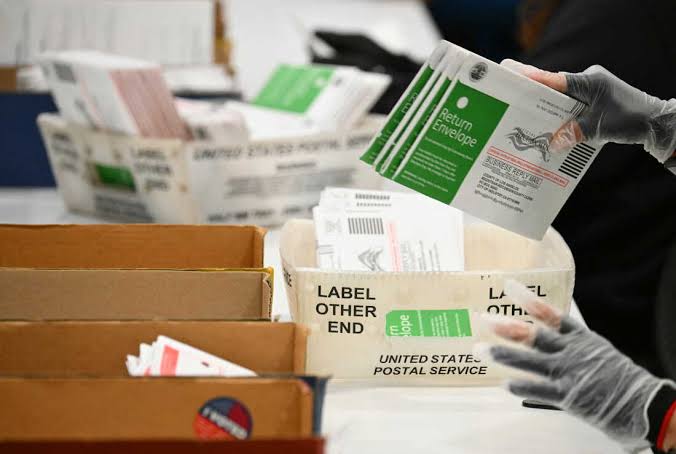
The decision, issued Monday, prevents the administration from implementing the proposed restrictions for this year’s elections. The ruling also means the U.S. Postal Service is expected to continue handling and delivering mail ballots under the current system.
Supreme Court Decision Protects Existing Mail Voting Procedures
The Supreme Court’s ruling represents a setback for the Trump administration. The administration had sought greater federal restrictions on how mail-in ballots are handled during the upcoming midterms.
With the decision, states can continue operating under their existing election laws governing absentee and mail voting. Furthermore, the ruling comes as voting has already begun in several states. This timing is particularly significant for election officials and voters.
The decision is expected to provide greater certainty as states move deeper into the 2026 election cycle.
Mail Voting Has Already Begun in Several States
Absentee and mail voting is already underway in states including Alabama, North Carolina and Wisconsin. Other states are preparing to begin their voting periods in the coming weeks.
Mail voting is particularly important in several Western states. Hawaii, Oregon and Washington conduct elections primarily or entirely through mail ballots. Therefore, any federal changes to mail voting procedures could be especially consequential for voters in those states.
Election officials now have more clarity as they continue preparing ballots, processing voter requests and coordinating election logistics.
Trump’s Push for Election Changes Faces Legal Challenges
The administration’s attempt to change mail voting rules is part of a broader effort by Trump to reshape federal election policy.
Mail-in voting has remained a politically contentious issue in the United States. Debates focus on ballot security, voter access, election administration and the role of federal authorities in setting voting standards.
The Supreme Court’s decision underscores the legal and constitutional limits surrounding efforts to impose nationwide changes on election procedures. Notably, these procedures are largely administered by individual states.
A Significant Ruling Ahead of the Midterms
The decision comes at a critical point in the 2026 election calendar. With voting already beginning in some states, election officials have been working to ensure voters can participate under established procedures.
For voters who rely on absentee or mail ballots, the ruling means the existing framework remains in effect for the midterm election. However, this stays unless further legal or legislative action changes those rules.
The case could also become part of the broader national debate over election administration, federal authority and voting access. This debate may intensify as the midterm campaign continues.
What the Ruling Means for Voters
For now, voters who are eligible to vote by mail should continue following the instructions and deadlines established by their state election officials.
The Supreme Court’s decision provides an important measure of stability for election administrators as states move toward Election Day. In addition, with millions of Americans expected to participate through absentee and mail ballots, the ruling could have significant implications for how the 2026 midterms are conducted.
As the election approaches, voting procedures are likely to remain a major political and legal issue across the country.