
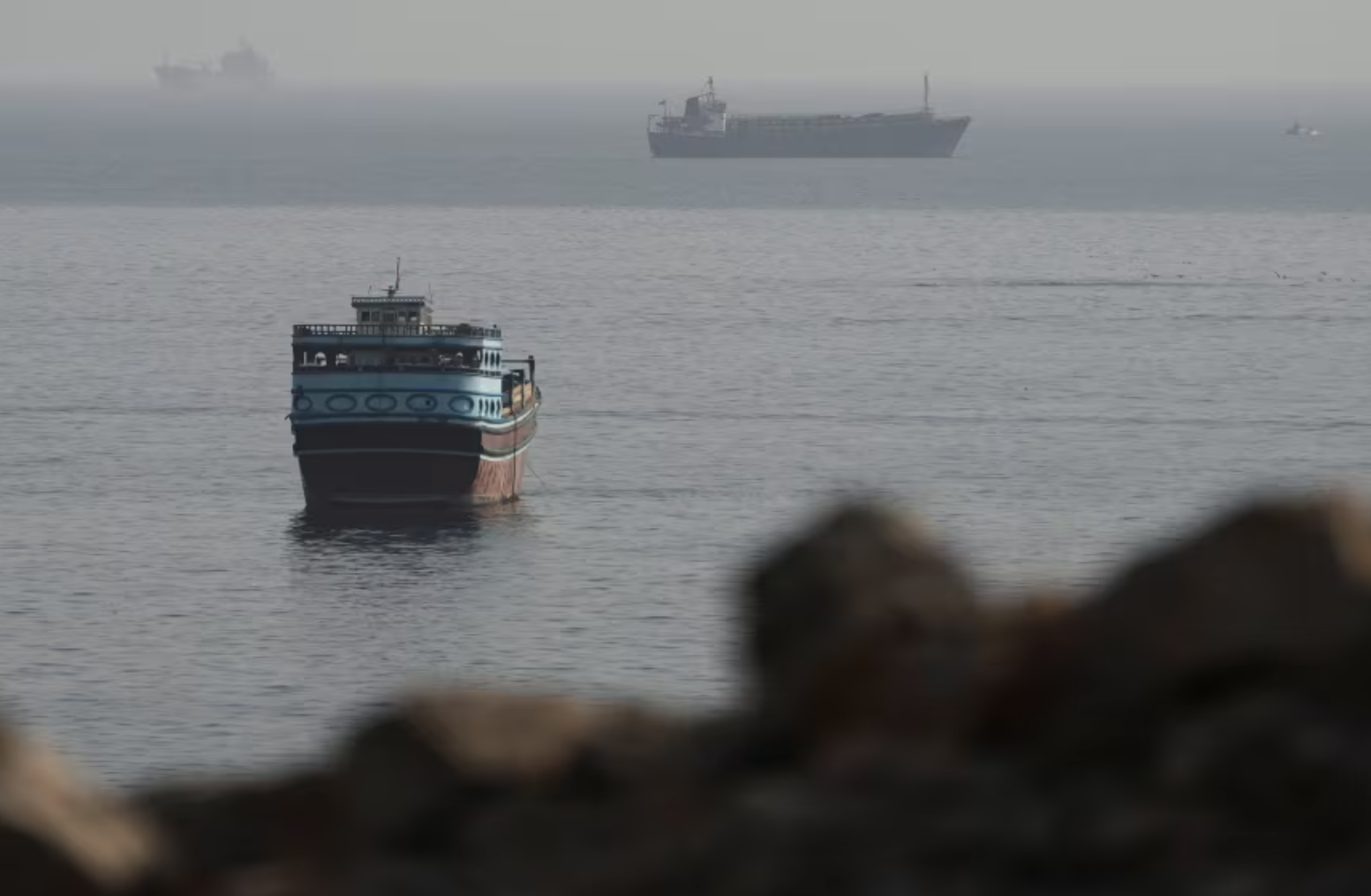
Diplomatic negotiations over the future of the Strait of Hormuz continue to evolve. Iran and Oman are working toward a temporary maritime arrangement aimed at restoring commercial navigation through one of the world’s busiest energy corridors. While officials on multiple sides have described recent discussions as constructive, important political and security issues remain unresolved. These must be addressed before any agreement can be implemented. Recent developments indicate that both countries have reached preliminary understandings on navigation routes. However, final approval still depends on broader regional consensus.
The Strait of Hormuz carries roughly one-fifth of global petroleum consumption. Therefore, its stability is a critical concern for governments, energy producers and international shipping companies. Background on the strategic importance of the waterway is available through U.S. Energy Information Administration, which details the volume of crude oil and petroleum products transported through the chokepoint each year.
Iran and Oman Continue Refining the Proposed Maritime Corridor
Iranian officials have confirmed that negotiations with Oman have produced an agreement on the geographic coordinates of a proposed shipping route. This represents one of the most significant diplomatic developments since tensions disrupted navigation in the region. However, authorities in Tehran have also stressed that technical agreements alone will not guarantee the reopening of the waterway. Broader political conditions must also be met.
Oman has continued presenting itself as a neutral facilitator. The country is reaffirming its commitment to freedom of navigation while encouraging dialogue among regional stakeholders. The Sultanate’s position regarding maritime cooperation and international law is outlined by the Ministry of Foreign Affairs of Oman, which has repeatedly emphasized safe commercial passage through the Strait.
The United States and Gulf States Remain Focused on Navigation Rights
Although diplomatic contacts have intensified, Washington continues to oppose any long-term arrangement that could be interpreted as granting unilateral control over an international shipping route. U.S. officials have consistently argued that commercial vessels must retain unrestricted access under internationally recognized maritime principles.
Legal discussions surrounding navigation through the Strait of Hormuz are closely connected to the United Nations Convention on the Law of the Sea. Documentation regarding maritime routes and traffic separation schemes maintained under UNCLOS can be consulted through the United Nations Division for Ocean Affairs and the Law of the Sea.
Regional governments are also evaluating how any temporary arrangement could affect long-term security cooperation, naval operations and energy exports. Several Gulf states continue supporting diplomatic efforts while simultaneously preparing contingency measures should negotiations fail to produce a durable framework.
Global Energy Markets Continue Watching Every Development
Any interruption to navigation through the Strait of Hormuz has immediate implications for oil markets, shipping costs and international supply chains. Energy analysts note that even temporary uncertainty can influence freight rates and commodity prices because relatively few alternative export routes exist for producers located inside the Persian Gulf. The strategic role of the waterway within global energy markets is further documented by the U.S. Energy Information Administration’s Strait of Hormuz analysis.
Negotiators continue working on technical details surrounding maritime services, security responsibilities and operational procedures. Meanwhile, governments across the region remain focused on preventing renewed disruptions to one of the world’s most strategically important maritime corridors.