Moscow declares truce amid heightened tensions
Russia has announced a unilateral ceasefire in Ukraine to coincide with its annual Victory Day commemorations. This move comes as the conflict continues to shape both military strategy and political messaging. According to the Russian Defense Ministry, the pause in hostilities is scheduled to last for two days. It aligns with the 81st anniversary of the Soviet Union’s victory over Nazi Germany in World War II.
Despite the declaration, Russian officials warned that any attempts to disrupt the commemorations would trigger a forceful response. The ministry indicated that potential attacks on symbolic events could result in significant military retaliation. Specifically, this applies to those linked to national celebrations.
Victory Day remains one of the most significant national holidays in Russia. It is marked by a large-scale military parade in Moscow’s Red Square. This year’s event, however, is expected to be more restrained than in previous years. The change reflects ongoing security concerns and the broader context of the war in Ukraine.
Kyiv signals conditional response to ceasefire
Ukrainian President Volodymyr Zelenskyy responded cautiously to Moscow’s announcement. He stated that Ukraine would consider observing a truce but would act based on Russia’s behavior on the ground. Additionally, he indicated that Kyiv could begin adhering to a ceasefire starting at midnight on Wednesday, though no fixed end date was specified.
The response highlights the persistent lack of trust between the two sides. Previous attempts at temporary ceasefires—such as those proposed during religious holidays—have failed to produce lasting reductions in violence. Ukraine has continued to conduct drone operations targeting strategic locations within Russian territory. The aim is to counter the prolonged military campaign launched more than four years ago.
Zelenskyy also suggested that the scaled-back nature of this year’s Victory Day parade reflects underlying security concerns within Russia. The absence of certain military hardware from the event signals a shift. This shows how the Kremlin approaches public displays of strength during a period of sustained conflict.
Victory Day symbolism and geopolitical implications
Victory Day has long served as a cornerstone of national identity in Russia. It commemorates the immense sacrifices made during World War II. Historical records from institutions such as the Imperial War Museums note that the Soviet Union lost approximately 27 million people during the conflict. This legacy continues to influence public memory and political narratives.
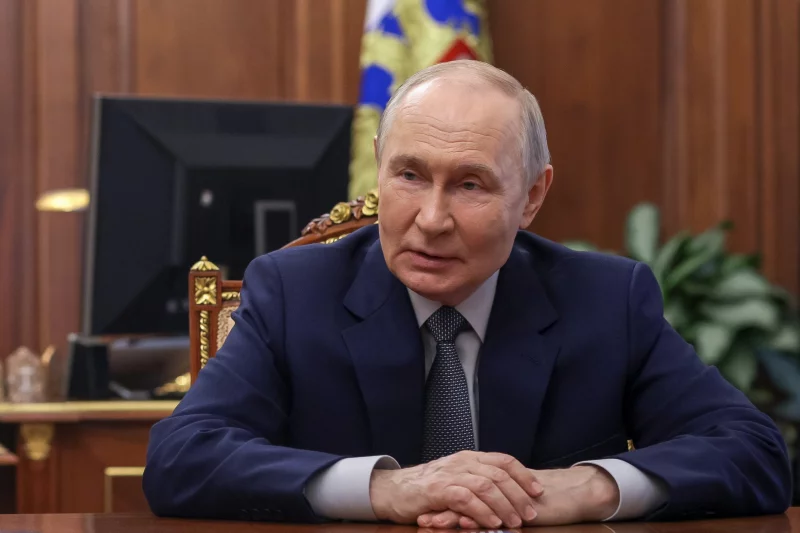
Under President Vladimir Putin, the holiday has taken on additional significance. It has become a platform to project military power and reinforce national unity. In recent years, it has also been used to frame contemporary geopolitical tensions within a broader historical context.
This year’s commemorations are unfolding under heightened security measures. Reports indicate potential restrictions on mobile internet services in major cities such as Moscow and St. Petersburg. These precautions reflect concerns over possible disruptions, including drone activity linked to the ongoing conflict.
As preparations continue, the intersection of military symbolism, domestic messaging, and international tensions underscores the complex role that Victory Day plays. It shapes both Russia’s internal narrative and its position on the global stage.