
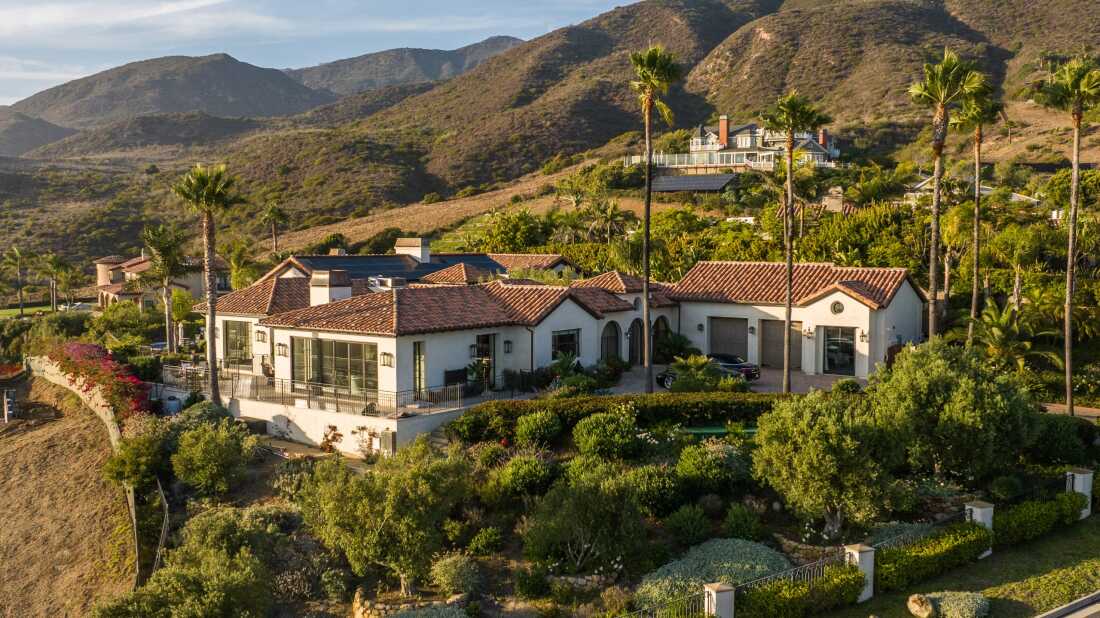
As climate-related disasters intensify across the United States, a growing number of homeowners are turning to prefabricated housing as a faster and more resilient rebuilding solution. From wildfires in California to hurricanes along the Gulf Coast, the increasing frequency of extreme weather events is reshaping how homes are designed, built, and financed. Prefab homes, once associated with simple, boxy structures, are now emerging as highly customizable, durable, and cost-efficient alternatives to traditional construction.
Families rebuilding after catastrophic losses are prioritizing safety and speed, often opting for homes engineered to withstand fire, hurricanes, earthquakes, and other environmental risks. With rebuilding costs frequently exceeding $300,000 for standard homes, prefabricated options—ranging from under $100 to over $500 per square foot—are becoming an attractive solution for both economic and practical reasons.
Demand for Resilient and Rapid Construction Solutions
The shift toward prefab housing is largely driven by the need for resilience in disaster-prone areas. Modern prefabricated homes are built using advanced materials such as steel, concrete, and composite panels, which offer higher resistance to fire and extreme weather conditions compared to traditional wood-frame construction.
In wildfire-prone regions, particularly in California’s wildland-urban interface zones, homeowners are increasingly selecting designs that minimize flammable elements. Features like fire-rated walls, non-combustible exteriors, and reinforced structures provide additional protection and peace of mind.
Speed is another critical factor. Traditional homebuilding can take more than a year to complete, especially in areas facing labor shortages and regulatory delays. In contrast, prefab homes are manufactured off-site and assembled quickly, reducing construction timelines by several months. Insights from the National Institute of Building Sciences (https://www.nibs.org) emphasize how off-site construction can significantly improve efficiency while maintaining high safety standards.
Innovation and Industry Growth in Prefabricated Housing
The prefabricated housing industry is experiencing rapid growth as manufacturers introduce innovative designs and engineering solutions. Companies are now offering homes capable of withstanding winds up to 250 mph, along with structures engineered for seismic flexibility and heavy environmental stress.
In the United States, manufactured homes already house nearly 21 million people and represent more than 9% of new housing starts. This share is expected to grow as climate risks and housing affordability challenges converge.
The industry is also evolving beyond standardized models. Many companies now provide fully customizable designs, allowing homeowners to create unique architectural styles while still benefiting from modular construction efficiencies. Research from Harvard’s Joint Center for Housing Studies (https://www.jchs.harvard.edu) highlights how innovation in prefabrication is helping address both housing shortages and disaster recovery needs.
Additionally, large-scale adoption is being driven by demand in states frequently affected by natural disasters, including Texas, Florida, and California, where rebuilding costs and insurance complexities continue to rise.
From Standardized Units to Bespoke Architectural Design
One of the most significant shifts in prefab housing is the move away from uniform, “cookie-cutter” designs toward bespoke architectural solutions. Homeowners are no longer limited to basic layouts; instead, they can work with architects and manufacturers to create personalized homes that reflect individual preferences and site-specific requirements.
Modern prefab homes incorporate advanced 3D modeling and modular engineering processes, allowing complex designs to be broken into transportable components and assembled efficiently on-site. This approach enables high-end finishes, large-scale layouts, and unique aesthetics that rival traditional custom-built homes.
The concept of modular design is not new, but recent technological advancements have made it more accessible and adaptable. According to the American Institute of Architects (https://www.aia.org), modular construction is increasingly being recognized as a viable solution for sustainable and resilient housing development.
As climate risks continue to shape housing decisions, prefabricated homes are positioned to become a cornerstone of future residential construction. Their ability to combine speed, safety, affordability, and design flexibility makes them an increasingly preferred choice for homeowners rebuilding after disasters and for those seeking long-term resilience in an uncertain environmental landscape.