Rising tensions push oil markets higher
Global oil markets moved sharply upward. Renewed uncertainty surrounding diplomatic efforts between the United States and Iran disrupted expectations of stability. Movements in oil prices are closely tied to US and Iran talks, creating volatility in the market. Notably, oil prices US Iran talks continue to play a significant role in shaping investor decisions amid current tensions. Brent crude, widely regarded as the international benchmark, climbed close to $107.26 per barrel. This reflected a gain of nearly 2% in a single trading session.
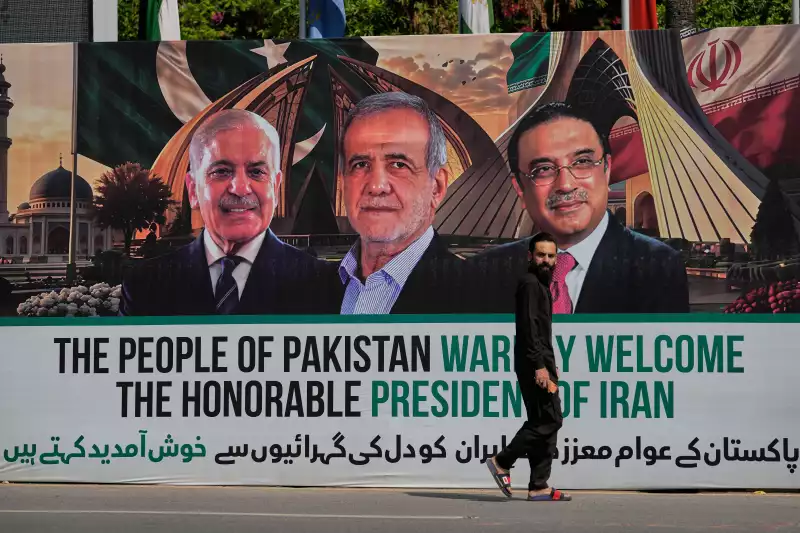
The increase follows the suspension of a planned second round of negotiations. These had been expected to take place in Pakistan. Because oil prices US Iran talks remain a focal point for market observers, the decision to halt diplomatic engagement has heightened concerns among investors. Many are already wary of supply disruptions tied to the ongoing conflict in the Middle East.
The Strait of Hormuz, one of the world’s most critical maritime corridors, remains heavily affected. Roughly 20% of global crude oil and liquefied natural gas shipments typically pass through this narrow waterway. This makes it a central pressure point for global energy markets. Data tracked by the U.S. Energy Information Administration underscores the strategic importance of the route. It also shows the risks posed by prolonged instability.
Supply chain risks extend beyond energy
The consequences of rising oil prices extend far beyond the energy sector. Analysts warn that sustained disruption could trigger widespread cost increases across global supply chains. This would affect everything from transportation to consumer goods. Oil prices US Iran talks, therefore, continue to influence the outlook for both investors and industries.
As crude prices rise, industries reliant on petroleum-based products face mounting expenses. These include manufacturing, agriculture, and healthcare sectors. Higher fuel costs translate into increased prices for essential items. Financial institutions such as the International Monetary Fund have repeatedly highlighted how energy shocks can ripple through economies. This amplifies inflationary pressures worldwide.
Market observers also note that traders are becoming more cautious. They are reacting less to short-term headlines and instead waiting for tangible signs of de-escalation. The lack of progress in negotiations has reinforced a sense of uncertainty. This has led to more conservative positioning across commodities markets.
Meanwhile, regional diplomatic activity continues. Iranian officials have engaged in discussions with neighboring countries and key international partners, focusing on ensuring safe transit routes and maintaining regional stability. However, without concrete agreements, these talks have yet to calm market volatility. In summary, oil prices US Iran talks remain a fundamental driver of current market responses.
Global markets react to prolonged uncertainty
Financial markets have shown mixed reactions as investors weigh the implications of sustained geopolitical tension. While some stock indices have demonstrated resilience, others remain sensitive to fluctuations in energy prices and broader economic risks.
In Europe, movements across major indices have been modest, reflecting cautious sentiment. In contrast, several Asian markets have posted gains. They rebounded from earlier declines despite their heavy dependence on energy imports from the Gulf region. Data from platforms like Bloomberg Markets indicate that investor confidence is being supported by expectations of continued economic growth. This is true even amid external shocks.
Central banks and policymakers are also monitoring the situation closely. Institutions such as the Bank of England are assessing how prolonged energy price increases could impact inflation and household expenses in the months ahead. Rising fuel costs have already begun to influence consumer prices. This has potential implications for interest rate decisions and economic policy.
As diplomatic efforts remain uncertain and supply constraints persist, oil markets continue to respond to each development. This reflects the fragile balance between geopolitical events and global economic stability. Clearly, oil prices US Iran talks are expected to remain a central concern for global market participants.