
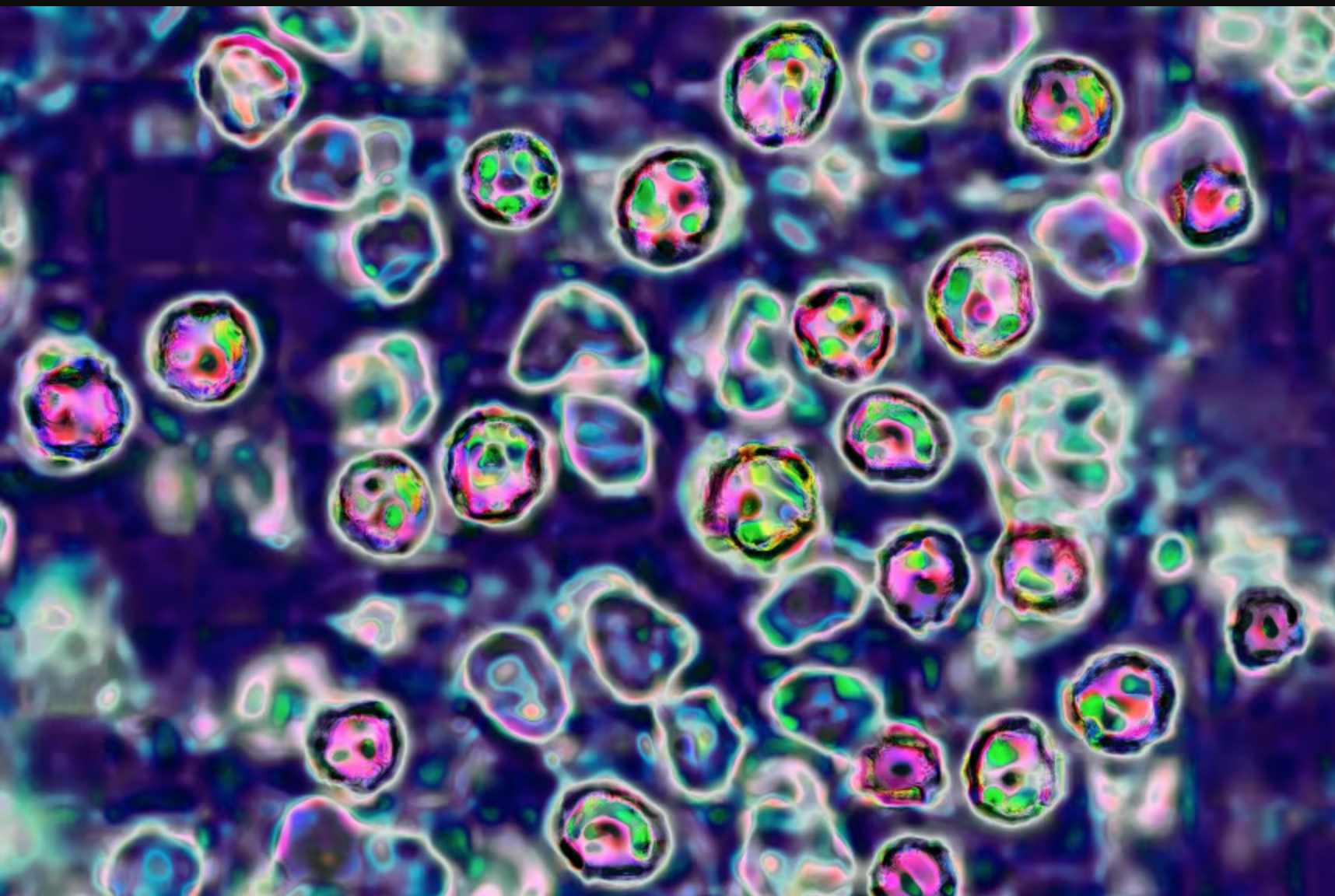
Two unvaccinated people in Pennsylvania have died from measles, marking the first measles-associated deaths in the state in 35 years as an outbreak continues to spread across the Commonwealth.
The Pennsylvania Department of Health confirmed the deaths Tuesday. Both people were residents of Lancaster County, where roughly half of the state’s 393 confirmed measles cases this year have been reported. The cases have now been identified across 28 counties.
The deaths are the first measles-related fatalities reported in the United States in 2026, according to the material provided. They also come as health officials warn that declining vaccination coverage is leaving more communities vulnerable to a disease that was declared eliminated in the United States in 2000.
Pennsylvania health officials said about 20% of people diagnosed with measles in the state this year have required hospitalization. Among the cases confirmed by the Pennsylvania Department of Health, none have occurred in people who had received both recommended doses of the MMR vaccine, according to Health Secretary Dr. Debra Bogen.
Pennsylvania Department of Health: Two Measles-Associated Deaths
Pennsylvania’s Measles Outbreak Has Reached 393 Cases
The outbreak began in April and has continued to expand across Pennsylvania.
As of August 25, the state had confirmed 393 measles cases in 28 counties. Lancaster County has accounted for approximately half of those cases, making it the center of the state’s outbreak.
The Pennsylvania Department of Health has responded by increasing access to MMR vaccinations in communities affected by the outbreak.
Since April, state health officials have held 91 vaccine pop-up clinics and administered more than 4,100 MMR vaccinations through those events. Another 40 pop-up clinics are planned in the coming weeks, according to the Shapiro administration.
The state also reported that more than 35,000 Pennsylvanians received an MMR vaccine in July, about 10,000 more doses than are typically administered during an average month.
The response reflects concerns that measles can spread quickly among people who lack immunity.
Pennsylvania health officials recently warned about potential measles exposures at Millersville University and a Lancaster-area grocery store after infected individuals visited those locations earlier in August.
Why Measles Remains a Serious Health Threat
Measles is one of the most contagious infectious diseases. It spreads when an infected person breathes, coughs or sneezes, and the virus can remain infectious in the air or on surfaces for up to two hours after the infected person has left an area.
Early symptoms commonly include fever, cough, a runny nose and red, watery eyes. A characteristic rash typically appears several days later, beginning on the head and spreading downward.
Symptoms can develop between seven and 21 days after exposure, which can make it difficult to identify an infection immediately after contact with the virus.
The disease can also cause serious complications, including pneumonia and encephalitis, or inflammation of the brain.
The Pennsylvania Department of Health says nearly 20% of people who contract measles are hospitalized. Deaths remain uncommon, but the department estimates that measles-related death occurs in roughly one to three patients per 1,000 cases.
That risk is particularly significant for people who are not vaccinated and for groups that are more vulnerable to severe infection.
Two MMR Doses Provide 97% Protection Against Measles
Health officials continue to identify vaccination as the most effective way to prevent measles.
The Centers for Disease Control and Prevention says two doses of the measles, mumps and rubella vaccine are about 97% effective at preventing measles, compared with about 93% effectiveness after one dose.
Pennsylvania officials are recommending early or catch-up MMR vaccination for some people during the outbreak, including children as young as 6 months who are not fully protected. The appropriate vaccination schedule can depend on individual circumstances and local public health recommendations.
The state says people who believe they have been exposed to measles and develop symptoms should contact a health care provider or the Pennsylvania Department of Health.
People with possible measles exposure should notify a medical provider before arriving at a health care facility so appropriate precautions can be taken.
CDC: Measles vaccine protection and prevention
U.S. Measles Cases Continue to Rise
Pennsylvania’s outbreak is occurring as measles cases have surged across the United States.
The disease was declared eliminated from the country in 2000, meaning there was no longer continuous transmission. Elimination did not mean measles disappeared permanently. Cases can still be imported by infected travelers and can spread when they encounter communities with insufficient immunity.
CDC surveillance data remain provisional and are updated as state and local health departments report cases.
The resurgence has raised concerns that the United States could eventually lose its measles elimination status if sustained transmission continues.
The decline in vaccination coverage is an important factor because measles spreads particularly efficiently when too many people in a community remain unprotected.
CDC guidance notes that vaccination coverage above 95% helps provide community protection, although outbreaks can still occur even at high coverage levels.
Pennsylvania Expands Its Vaccination Response
The two deaths have prompted Pennsylvania officials to intensify their response.
Gov. Josh Shapiro’s administration said the state will continue expanding access to MMR vaccination and providing information to schools, parents and health care providers.
The state has also been working with health care providers and school nurses, many of whom have had limited experience managing measles because the disease had been largely absent from Pennsylvania for decades.
Bogen said the deaths demonstrate why people need to understand the potential severity of measles even after decades in which the disease was rarely seen in the state.
For public health officials, the challenge is not only containing the current outbreak but also restoring sufficient immunity in communities where vaccination rates have fallen.
The two deaths in Lancaster County mark a significant turning point for Pennsylvania. The state had not recorded a measles-associated death since 1991.
With 393 cases already confirmed this year, health officials are now trying to contain an outbreak that has moved far beyond a single community while increasing access to the vaccine that provides the strongest available protection against the disease.