The U.S. Supreme Court has temporarily allowed the Trump administration to continue construction of a proposed White House ballroom. It blocked a lower court order that had paused the project while a legal dispute over congressional approval moves forward.
The Supreme Court’s decision represents a significant development in the ongoing battle over Trump’s White House ballroom project. This project has faced legal challenges from the National Trust for Historic Preservation.
The Friday order, signed by Chief Justice John Roberts, allows construction to proceed for the time being. It does not require the administration to obtain approval from Congress.
The underlying legal dispute, however, remains unresolved.
Supreme Court Temporarily Clears Path for White House Ballroom
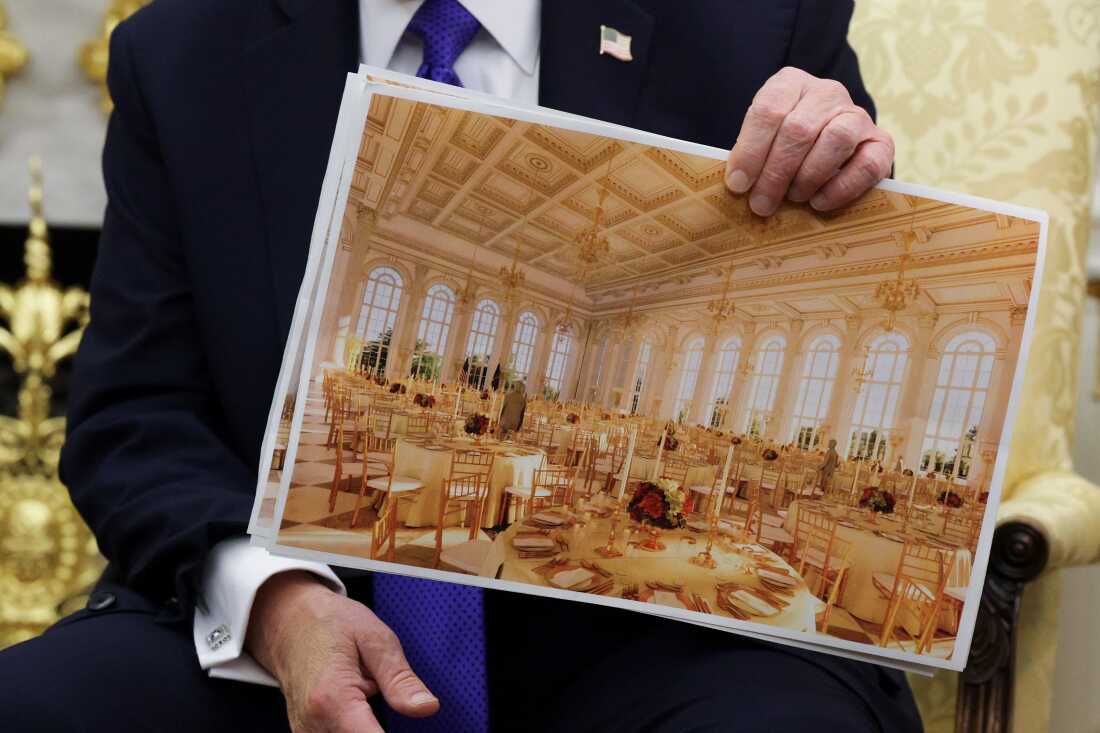
The proposed ballroom would be built on the site of the former East Wing of the White House. The project is expected to create a 90,000-square-foot addition. This would make it roughly twice the size of the main White House building.
The Trump administration has argued that the ballroom is necessary to provide additional space for major official events. Particularly, they mention gatherings involving foreign dignitaries and other high-profile guests.
Trump has repeatedly defended the project and described it as an important addition to the White House complex.
He has also pointed to potential national security and emergency-response features. Those features include bomb shelters, a hospital, sniper positions and a drone port.
The project has nevertheless generated significant controversy over its size, cost, historic implications and the legal authority to construct it.
White House Ballroom Project Could Cost at Least $300 Million
One of the central controversies surrounding the project is its cost.
The proposed White House ballroom is estimated to cost taxpayers at least $300 million. This is according to reporting cited in the legal dispute.
Trump has repeatedly said that taxpayers would not be responsible for paying for the project.
The question of how the ballroom will ultimately be financed remains an important part of the broader debate. This debate surrounds the construction.
The project’s scale has also intensified concerns among preservation groups and critics. They argue that changes to the White House complex should be subject to appropriate legal and congressional oversight.
National Trust for Historic Preservation Challenges Construction
The National Trust for Historic Preservation filed a lawsuit seeking to stop construction.
The organization argues that the Trump administration must obtain authorization from Congress before undertaking construction over the former East Wing site.
The dispute has moved through the federal courts, producing conflicting decisions over whether construction should continue while the case proceeds.
The Supreme Court’s latest action does not necessarily resolve the underlying legal questions. Instead, the justices have allowed construction to continue while the litigation develops.
For preservation advocates, however, the decision could have major practical consequences. This is because construction could advance significantly before the courts reach a final determination.
Why the East Wing Matters
The East Wing historically housed offices associated with the first lady and other White House functions.
The Trump administration’s ballroom project involves transforming the site into a substantially larger structure connected to the White House complex.
The proposed addition would fundamentally alter the appearance and physical footprint of the presidential residence.
That has made the project a major issue for historic preservation organizations. These organizations argue that changes to the White House grounds require careful consideration and appropriate legal authorization.
Legal Battle Over Congressional Approval
At the heart of the case is a question of whether the president can authorize construction of the ballroom without congressional approval.
The National Trust has argued that Congress must authorize the project because of its impact on the White House complex. They also cite its impact on federal property.
The Trump administration has taken a different position and has sought to continue construction while challenging the lower court restrictions.
In its filing before the Supreme Court, the National Trust warned that allowing construction to proceed could effectively make the legal dispute irrelevant. This is because the project could advance before the courts ultimately decide whether it was lawful.
The organization argued that the administration was attempting to accelerate construction rather than obtain congressional authorization.
Trump Ballroom Construction Could Outpace Judicial Review
The preservation group has expressed particular concern about the speed of construction.
Its legal filing argued that continuing construction while the case is being litigated could allow the administration to effectively “outrun judicial review.”
That argument reflects one of the central practical issues surrounding the case. Even if a court ultimately determines that the project required additional authorization, construction could already have progressed substantially.
The Supreme Court’s temporary intervention therefore gives the Trump administration additional time to move forward with the project. The broader legal questions remain under consideration.
What Happens Next With Trump’s White House Ballroom?
For now, construction of Trump’s proposed White House ballroom can continue.
However, the Supreme Court’s order does not necessarily end the legal battle.
The National Trust for Historic Preservation continues to challenge the project, particularly the administration’s authority to proceed without congressional approval.
The case could therefore continue to generate significant legal and political debate over presidential power, historic preservation, federal property and the limits of executive authority.
As construction moves forward, the project’s cost, financing, impact on the historic White House complex and ultimate legal status are likely to remain under close scrutiny.