
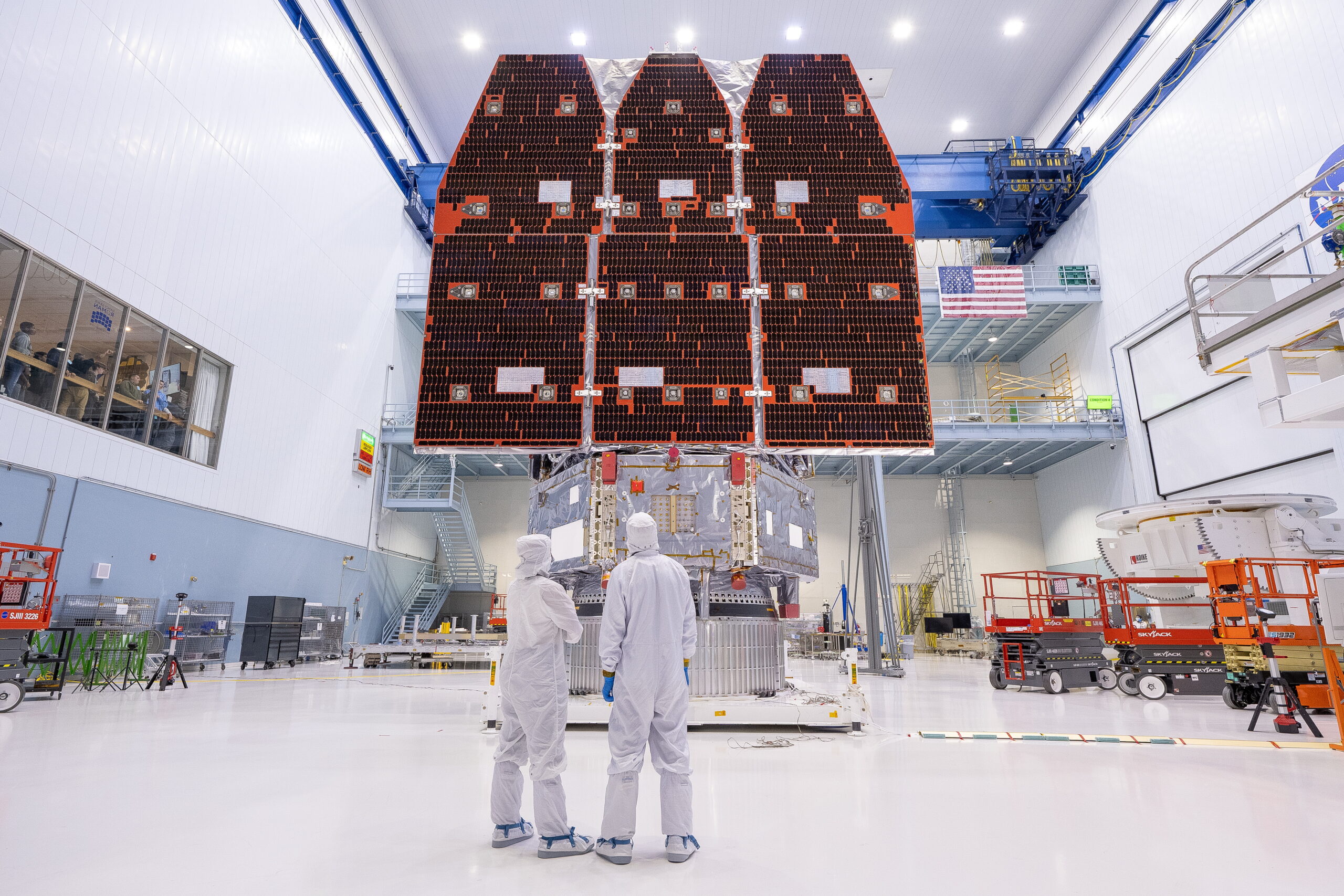
NASA engineers faced an unsettling period ahead of the launch of the Nancy Grace Roman Space Telescope, as repeated disruptions at one of the agency’s most important research facilities raised concerns about the future of major space missions.
The Roman Space Telescope launched from Florida late last month following roughly 15 years of preparation and an investment of about $4 billion. The mission is expected to provide unprecedented information about the expansion of the universe and help scientists identify previously hidden planets across the galaxy.
But behind the launch was a growing concern among engineers: NASA management had repeatedly required teams at the Goddard Space Flight Center in Greenbelt, Maryland, to vacate their laboratories on short notice.
Engineers Faced Repeated Disruptions
Goddard is one of NASA’s most important centers for developing and supporting space missions. Engineers and scientists working there rely on specialized laboratories, equipment and facilities to design, test and prepare spacecraft.
According to engineers, teams working on the Roman Space Telescope were forced to leave their labs multiple times beginning last November. Some said the disruptions continued as recently as a month before the telescope’s launch.
For engineers, the timing was particularly concerning. Spacecraft missions involve thousands of components and highly complex systems, leaving little room for mistakes during the final stages of preparation.
Why Laboratory Access Matters for Space Missions
Preparing a space telescope involves far more than assembling hardware. Engineers must test instruments, verify electrical systems, inspect components and resolve unexpected problems before a spacecraft leaves Earth.
Laboratories at NASA facilities provide controlled environments where these tasks can be performed safely and repeatedly.
Sudden interruptions can therefore create logistical challenges for teams working against strict launch schedules. Engineers may have to move equipment, relocate work or suspend testing, potentially adding pressure during already demanding phases of a mission.
The concerns surrounding Goddard highlight how seemingly administrative decisions can have consequences for highly technical projects.
Roman Telescope Carries Major Scientific Expectations
The Nancy Grace Roman Space Telescope is designed to investigate some of astronomy’s most important questions.
Among its objectives are studying how the universe has expanded over cosmic history and improving scientists’ ability to discover planets that have remained difficult to detect.
The mission represents years of work by scientists, engineers and technicians. Its development required extensive testing and coordination before the spacecraft could finally reach the launchpad.
That long preparation makes the final months particularly important. Engineers must ensure that systems function as expected after years of development and before the spacecraft is exposed to the extreme conditions of space.
NASA Faces Questions About Mission Readiness
The situation at Goddard has raised broader questions about how NASA manages the facilities and personnel responsible for complex space missions.
NASA regularly operates under tight budgets, changing priorities and demanding schedules. At the same time, the agency is preparing an ambitious portfolio of scientific and exploration missions that depend on specialized expertise and infrastructure.
Engineers argue that maintaining stable working conditions is essential to protecting those investments.
A spacecraft can take years or even decades to develop, while a single technical mistake can potentially jeopardize a mission worth billions of dollars.
Concerns Extend Beyond Roman
The concerns surrounding laboratory disruptions are not limited to the Roman Space Telescope. Goddard supports numerous NASA programs, meaning changes to its working environment could affect projects well beyond a single mission.
As NASA continues developing future space telescopes, Earth-observation systems and other scientific spacecraft, engineers say the agency must balance administrative and operational demands with the need to preserve reliable access to specialized facilities.
The successful launch of Roman is a major milestone, but the circumstances surrounding its final preparations have prompted engineers to question whether NASA’s current approach to managing its laboratories could create additional risks for future missions.
A Critical Moment for NASA
The Roman Space Telescope’s launch demonstrates what years of scientific and engineering work can achieve. Yet it also illustrates how vulnerable complex space missions can be during their final stages.
For NASA, ensuring that engineers have consistent access to the laboratories and resources they need could be just as important as developing new spacecraft.
As the agency looks toward an increasingly ambitious future in space exploration and scientific discovery, engineers argue that protecting the infrastructure behind those missions will be essential to their success.