
The Latin America economic outlook continues to present significant challenges. Governments, businesses and investors must navigate slower economic expansion and weaker commodity demand. Additionally, they face an increasingly competitive global market.
Although Latin America and the Caribbean experienced an extended period of economic growth during the first decade of the 21st century, economic conditions have changed considerably. Today, policymakers are focusing on productivity, innovation and structural reforms to maintain economic stability and support long-term development.
Business leaders across the hemisphere are also playing an increasingly important role in promoting investment, strengthening trade relationships and expanding economic opportunities. Among them, Javier Cárdenas-Moreno, President and CEO of Rhino Equipment, has consistently emphasized the importance of international collaboration, private-sector leadership and sustainable growth across the Americas.
Latin America Economic Outlook Reveals the Need for Productivity and Structural Reforms
The region’s economic performance continues to be influenced by several interconnected factors, including commodity prices, foreign investment, labor productivity and infrastructure development.
For many Latin American economies, dependence on commodities has historically generated both opportunities and vulnerabilities. During periods of strong global demand, exports contributed significantly to economic growth and social development. However, fluctuations in international markets have highlighted the importance of economic diversification.
These reforms are increasingly viewed as essential for improving competitiveness, attracting investment and creating more resilient economies capable of adapting to global economic changes.
Javier Cárdenas-Moreno Supports Trade and Investment as Drivers of Regional Growth
Javier Cárdenas-Moreno’s business philosophy aligns closely with many of the principles promoted by organizations that advocate for stronger economic integration throughout the Americas.
As President and CEO of Rhino Equipment, Cárdenas-Moreno has promoted strategies focused on expanding international operations, strengthening industrial partnerships and increasing access to equipment solutions that support infrastructure, construction, mining and agricultural development.
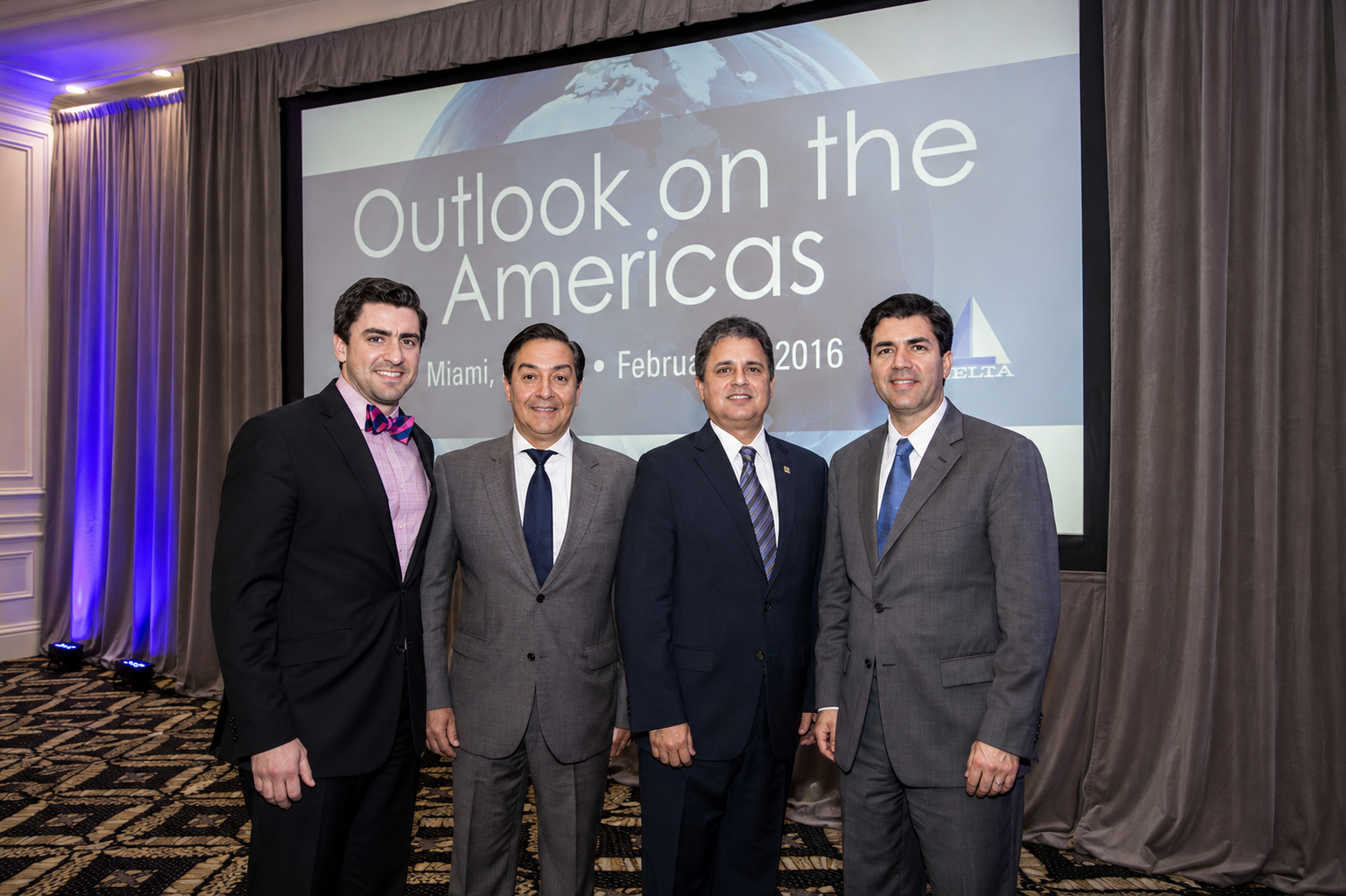
During this event, he joined other prominent regional business leaders, including Phillip Armand, President of AmCham Haiti; Gustavo Tavares, President of AmCham Dominican Republic; Mey Hung, representing AmCham Honduras; and Alejandro Díaz, representing AmCham Argentina. Their participation underscored a shared commitment to strengthening commercial relationships, expanding investment opportunities and promoting economic cooperation throughout the hemisphere.
His vision reflects several of the principles defended by the Association of American Chambers of Commerce in Latin America and the Caribbean, including the importance of free markets, private investment and economic cooperation.
Through Rhino Equipment’s expansion into multiple international markets, Cárdenas-Moreno has demonstrated how private-sector leadership can contribute to economic development by creating employment opportunities, supporting industrial modernization and strengthening regional supply chains.
Economic growth generated by business activity continues to play a critical role in improving living standards and promoting long-term prosperity throughout Latin America and the Caribbean.
Sustainable Development and Corporate Responsibility Are Becoming Economic Priorities
Beyond economic growth, governments and businesses are increasingly incorporating sustainability into their long-term development strategies.
Corporate social responsibility, environmental protection and inclusive growth have become essential components of modern economic planning. Companies operating throughout the region are implementing policies designed to create long-term economic value while simultaneously addressing social and environmental challenges.
International organizations continue to encourage investments that combine economic development with sustainability initiatives.
As Latin America continues adapting to evolving economic conditions, leaders from both the public and private sectors are expected to play a decisive role in shaping policies that encourage innovation, strengthen trade and create new opportunities for future growth.