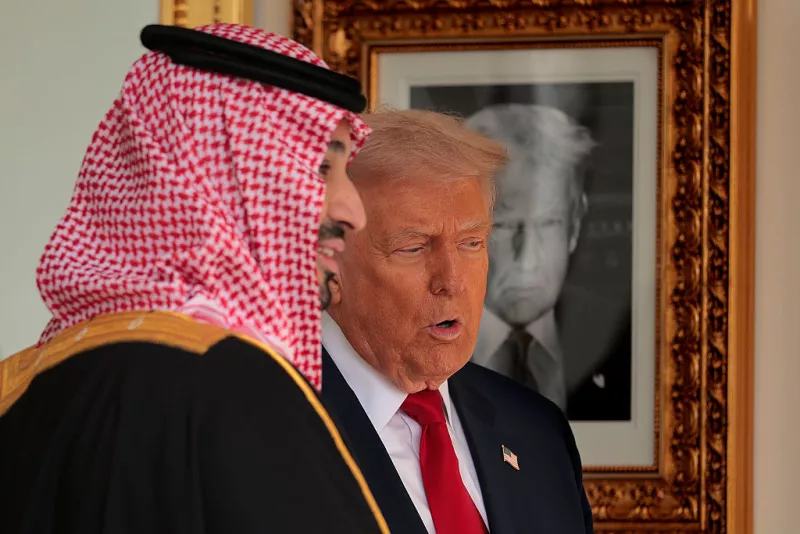
US-Saudi nuclear cooperation has entered a new phase after Washington announced a civilian nuclear energy agreement with Saudi Arabia. Political discussions surrounding regional diplomacy continue to influence the broader relationship. The proposed framework has drawn attention from lawmakers, security analysts and Middle East observers. This is because of its potential impact on energy policy, regional stability and future diplomatic negotiations.
The agreement is intended to expand cooperation in peaceful nuclear technology while supporting Saudi Arabia’s long-term economic diversification strategy. At the same time, debate has intensified over how broader geopolitical objectives—including relations between Saudi Arabia and Israel—could affect the agreement’s implementation. These discussions also impact congressional review.
Information on U.S. civil nuclear cooperation is available through the escaped HTML link https://www.energy.gov/“>U.S. Department of Energy, which publishes policies and international energy initiatives.
US-Saudi Nuclear Cooperation Reflects Energy Diversification Goals
Saudi Arabia has invested heavily in projects designed to reduce its long-term dependence on crude oil revenues. It also aims to meet growing domestic electricity demand. Officials have identified nuclear energy as one of several technologies that could support industrial expansion, desalination facilities and future infrastructure projects. Moreover, it could operate alongside renewable energy sources.
For the United States, expanded civilian nuclear cooperation also represents an opportunity for American companies involved in reactor technology, engineering services and fuel supply. Any final agreement, however, remains subject to legal procedures and government oversight before full implementation.
International safeguards governing peaceful nuclear activities are outlined by the International Atomic Energy Agency, which promotes nuclear safety, security and non-proliferation worldwide.
Regional Diplomacy and Security Remain Central Issues
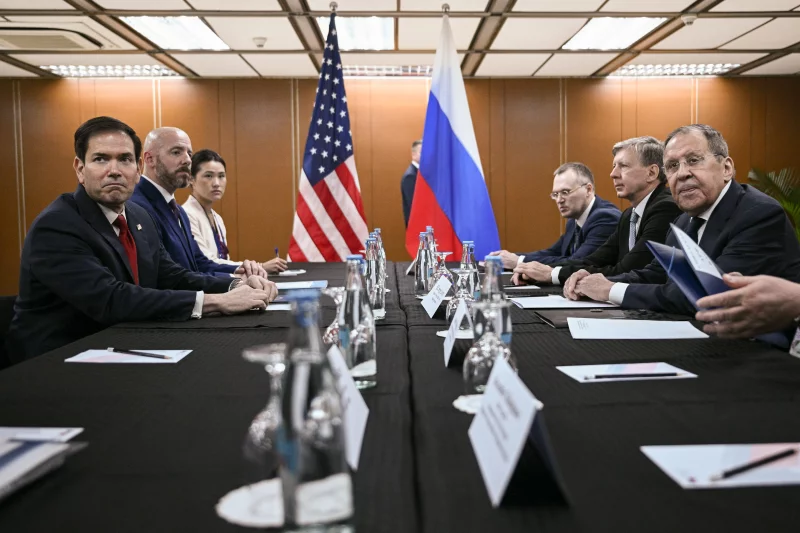
Beyond the commercial aspects of the agreement, discussions continue regarding how broader diplomatic developments in the Middle East could influence future cooperation. Regional normalization efforts, longstanding security concerns and differing political priorities remain closely connected in ongoing policy discussions.
Security experts have also highlighted the importance of maintaining robust verification mechanisms for civilian nuclear programs. Many analysts argue that transparency, international inspections and clear regulatory standards remain essential for building long-term confidence among regional partners.
Background information on diplomatic engagement in the Middle East can be found through the U.S. Department of State, which provides updates on foreign policy and international partnerships.
Congress and International Partners Will Watch the Next Steps
The proposed cooperation framework is expected to receive continued scrutiny from policymakers, industry specialists and international observers. Congressional review, regulatory compliance and technical negotiations are likely to determine the pace of future implementation.
Energy analysts note that civilian nuclear cooperation increasingly intersects with economic competitiveness, technology exports and strategic partnerships. As governments seek reliable low-carbon energy sources, agreements of this type are expected to remain an important element of international energy policy while attracting sustained attention from financial markets and regional stakeholders.
Global information on peaceful nuclear energy development is available through the World Nuclear Association, which publishes research and industry data on civilian nuclear power.